Trump administration rolls back Biden-era power plant emissions rule
The EPA has eliminated greenhouse‑gas standards for coal and gas plants, continuing a broader effort to undo previous climate policies.
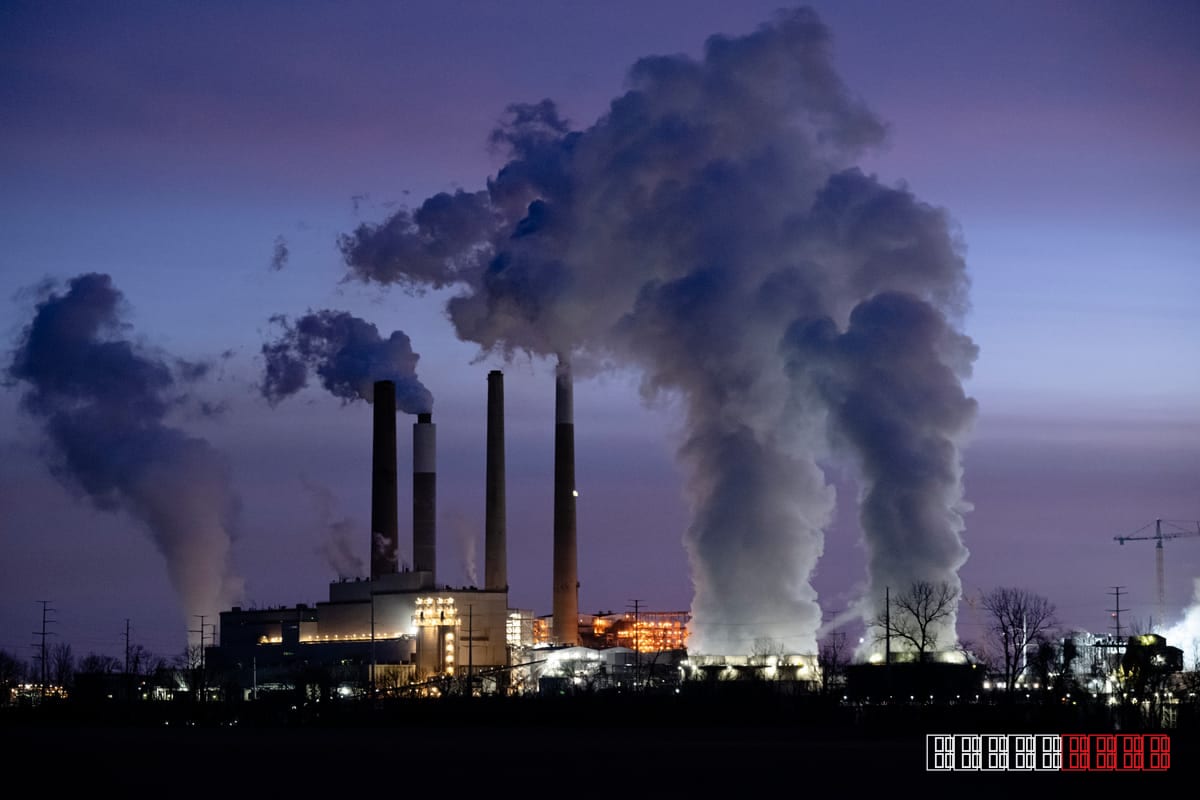
Washington – The Environmental Protection Agency announced on Thursday that it is rescinding the greenhouse‑gas requirements for power plants that were adopted under the Biden administration, CNBC reported. The rule, which had set emissions‑reduction targets for coal‑ and natural‑gas‑fired facilities, is being replaced with a framework that gives states and utilities greater flexibility.
The repeal follows a series of actions taken by the Trump administration to dismantle climate regulations introduced during the Obama and Biden years. Earlier this year, the agency also rolled back the Clean Power Plan, a cornerstone of the Obama‑era effort to curb carbon output from the electricity sector. By removing the newer standards, the administration signals a shift toward prioritising short‑term economic considerations over long‑term emissions goals.
Power plants account for roughly a third of the United States’ carbon dioxide emissions, making them a focal point for national climate strategies. The Biden rule, finalized in 2023, required utilities to lower CO₂ output over the next decade, a move intended to help the country meet its pledge under the Paris Agreement. With the rule now void, analysts say the trajectory of emissions reductions could stall, potentially affecting the United States’ ability to meet its internationally‑agreed climate targets.
Industry groups have welcomed the change, arguing that the previous standards imposed costly upgrades and limited the use of domestically produced natural gas. Environmental organizations, however, warn that the rollback will likely lead to higher emissions and could undermine investments in cleaner energy technologies. Legal challenges to the repeal are expected, as previous EPA rollbacks have often been contested in federal courts.
The broader context is a long‑standing debate over the balance between environmental protection and energy affordability. Since the early 2000s, the EPA has alternated between tightening and loosening emissions rules depending on the administration in power. The current reversal reflects a pattern of policy volatility that can create uncertainty for utilities, investors, and state regulators alike.
While the immediate impact will be felt by power generators and the communities near them, the decision also reverberates through the global climate discourse. The United States remains the world’s largest emitter of carbon dioxide, and shifts in its domestic policy are closely watched by other nations negotiating future climate commitments.
This report is based on original reporting by CNBC. Read the original source →