Trump administration rolls back power plant emissions standards, touts $300 billion savings
The U.S. has eliminated federal limits on greenhouse gases from power plants, claiming massive cost cuts and a boost to domestic energy output.
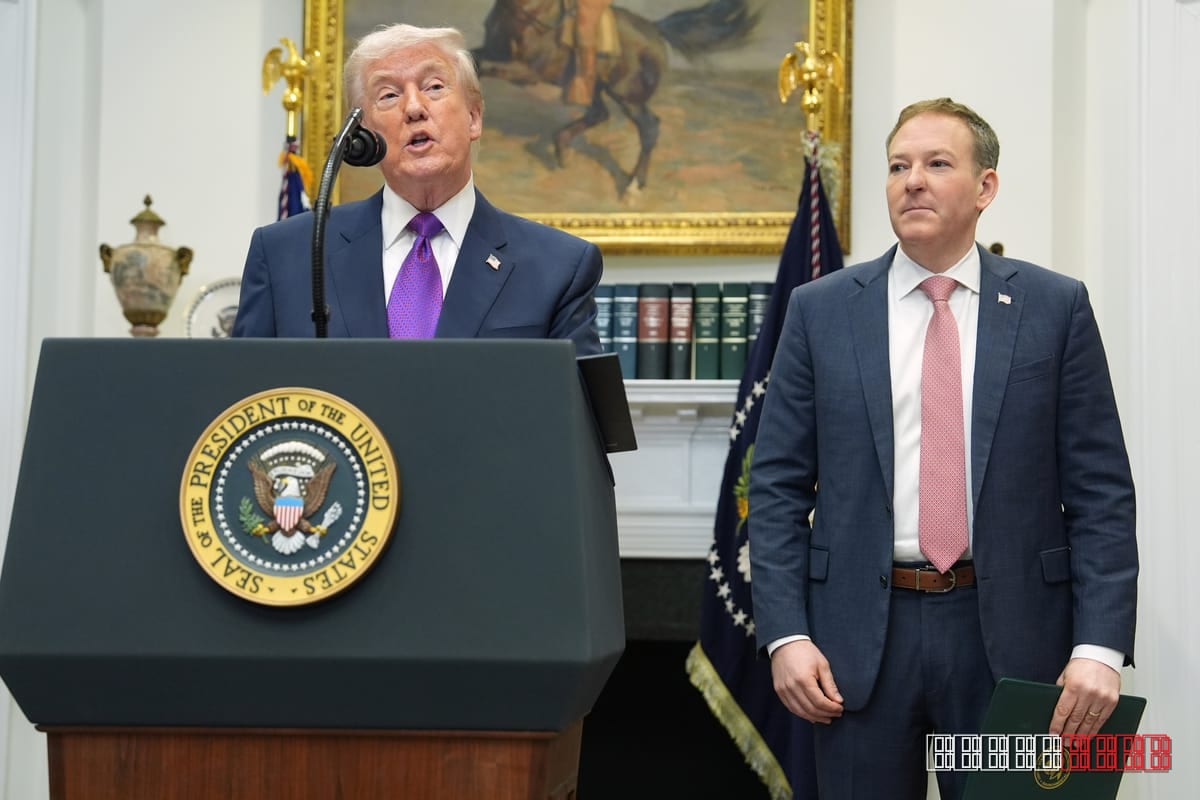
The White House announced on Wednesday that it is rescinding the federal regulations that capped carbon emissions from coal‑ and gas‑fired power plants, a move framed as a relief for the energy sector. According to Al Jazeera, officials said the rollback could free up more than $300 billion for power producers and “unleash” American energy.
The rules being repealed were originally introduced under the previous administration to curb the nation’s carbon footprint and to align with the United Nations climate targets. Those standards required utilities to shift toward cleaner fuels, improve efficiency, and, in some cases, retire older, higher‑polluting plants. By lifting the caps, the Trump administration argues that utilities will face fewer compliance costs and can invest more in expanding generation capacity.
Critics, however, warn that the decision could reverse years of progress on emissions reductions. Environmental groups have highlighted that power plants account for roughly 30 % of U.S. greenhouse gas emissions, and that the rules were a key instrument for meeting the country’s pledge under the Paris Agreement. They contend that the projected savings may be offset by higher health and climate costs, as well as potential market penalties for companies that fall behind international sustainability benchmarks.
The policy shift occurs amid a broader push by the administration to deregulate the energy sector. Earlier this year, the White House rolled back fuel‑efficiency standards for automobiles and eased restrictions on offshore drilling. Analysts note that the timing coincides with a surge in natural‑gas production and a growing political emphasis on “energy independence.” Yet the move also raises questions about the United States’ ability to meet its own climate goals, which have been set for 2030 and 2050 under bipartisan legislation.
The repeal will take effect later this month, giving utilities a short window to adjust compliance plans. While industry leaders have welcomed the change, investors and state regulators are expected to monitor how the altered landscape influences electricity prices, grid reliability, and future emissions trajectories.
The decision underscores a stark policy divide in Washington: balancing short‑term economic arguments against long‑term environmental imperatives. As the United States navigates its energy future, the impact of this rollback will likely shape both domestic markets and the nation’s standing in global climate negotiations.
This report is based on original reporting by Al Jazeera. Read the original source →