Trump's $5,000 adult cash pledge runs into legal and budgetary questions
The former president's promise to hand $5,000 to every American adult is scrutinized for cost, legality and practicality.
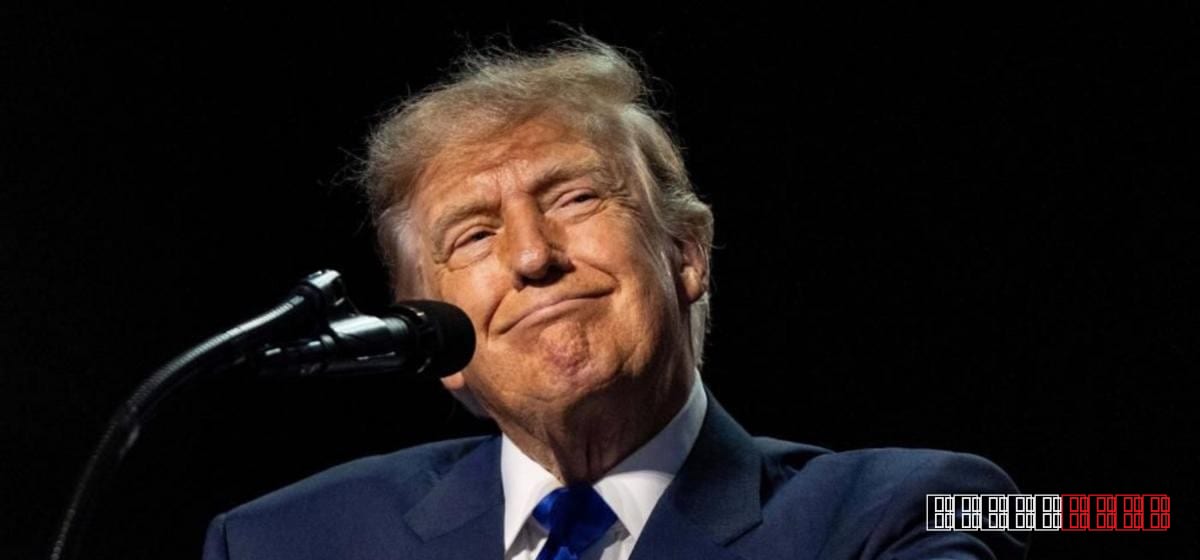
Donald Trump has floated a plan to give a $5,000 cash payment to every adult in the United States if he wins the 2024 election. The proposal, which surfaced during a campaign rally, would amount to roughly $1.2 trillion based on the current adult population, according to estimates cited by BBC News.
Financial analysts quickly flagged the sheer scale of the payout as a major obstacle. A Treasury Department official told BBC News that financing such a program would likely require new borrowing or a substantial reallocation of existing budget items, both of which would face intense congressional scrutiny. The cost would dwarf the $1.9 trillion stimulus package passed in 2021, raising doubts about the federal government's capacity to absorb the additional outlay without triggering higher deficits or inflationary pressures.
Legal experts also expressed concern over the proposal's compatibility with existing statutes. Direct cash transfers to individuals are typically authorized through specific legislation, and the Constitution does not grant the president unilateral authority to issue such payments. BBC News noted that past attempts at universal checks, such as the 2020 stimulus checks, required congressional approval and were subject to strict eligibility criteria. Without a clear legislative pathway, the $5,000 offer could be challenged in court.
The idea taps into a broader tradition of stimulus payments that have been used during economic crises, most recently in response to the COVID‑19 pandemic. Those earlier checks were aimed at households rather than individual adults, and eligibility was tied to income thresholds. Economists warn that a blanket payment to all adults, regardless of need, may not be the most efficient way to stimulate demand, especially if a significant share of recipients save rather than spend the money.
If Trump were to pursue the pledge, the next step would involve drafting legislation and securing bipartisan support in a closely divided Congress. Historically, large-scale fiscal initiatives have required negotiation over tax policy, spending cuts, or new revenue sources. The political climate ahead of the 2024 election suggests that any such effort would become a focal point of partisan debate, potentially influencing voter perceptions of fiscal responsibility.
The proposal underscores how campaign promises can shape public discourse on economic policy, even when the practical mechanisms remain uncertain. As the election draws nearer, voters and policymakers alike will be watching how the $5,000 pledge evolves from a rally soundbite to a concrete legislative proposal.
This report is based on original reporting by BBC News. Read the original source →