Trump’s anti‑BRICS rhetoric could unintentionally expand the bloc
Al Jazeera suggests the US president’s attempts to curb BRICS may end up drawing more nations into the group.
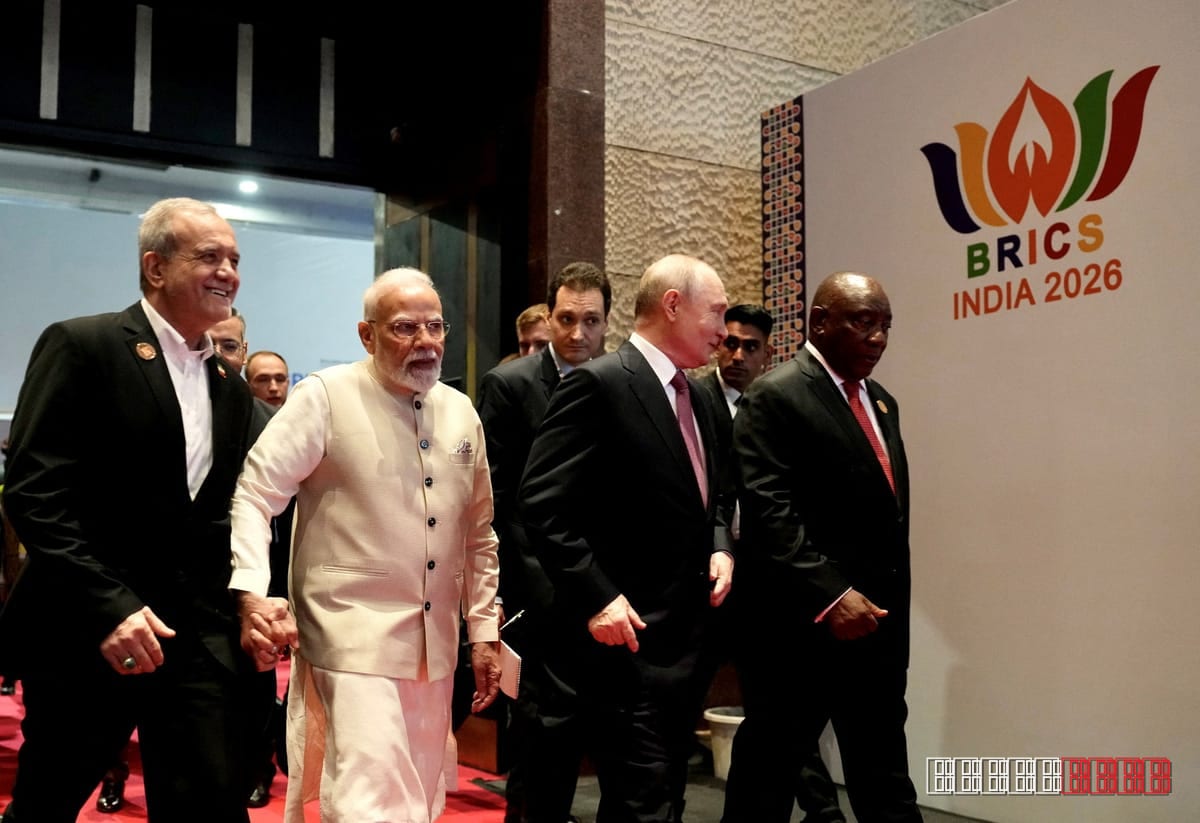
President Donald Trump has repeatedly framed the BRICS grouping – Brazil, Russia, India, China and South Africa – as a strategic threat to American interests. In a series of speeches and policy statements, he has called for tighter sanctions and for the United States to counter the bloc’s growing economic clout. Al Jazeera reported that Trump’s public attacks are aimed at “weakening BRICS” and “protecting the global financial system” from what he describes as a coordinated challenge to US dominance.
At the same time, the BRICS alliance has been on a recruitment drive. Since its inception in 2009, the group has added new members, most recently inviting Saudi Arabia, Iran and several African nations to join a broader “BRICS‑plus” format. The expansion reflects a desire among many non‑Western economies to diversify trade, secure alternative financing, and reduce reliance on the dollar‑based system that the United States has long controlled.
Al Jazeera argues that Trump’s confrontational approach may have the opposite of its intended effect. By portraying BRICS as an adversary, the president could be nudging undecided or ambivalent countries toward the bloc as a hedge against US pressure. The opinion piece notes that “the more the United States pushes back, the more attractive the promise of a multipolar financial architecture becomes for nations seeking autonomy.”
Historically, BRICS was conceived as a forum for emerging economies to coordinate on development and reform of global institutions such as the International Monetary Fund. Over the past decade, it has launched its own development bank, created a reserve currency swap line, and begun to negotiate joint procurement of strategic resources. These initiatives have given the group a tangible institutional presence that can appeal to countries wary of Western conditionality.
The potential fallout of a growing BRICS is significant for global governance. A larger, more diverse coalition could amplify calls for reforms to the World Bank, push for greater representation in the United Nations, and challenge the primacy of the US dollar in international trade. Analysts warn that if the United States continues to treat BRICS solely as a rival, it may inadvertently accelerate the very realignment it seeks to prevent.
In short, while Trump’s administration is focused on containing the bloc, the dynamics highlighted by Al Jazeera suggest that the strategy could backfire, turning the president into what the article dubs “BRICS’s best recruitment agent.”
This report is based on original reporting by Al Jazeera. Read the original source →