U.S. Defense Confirms Deployment of Orbital Weapon System
The Pentagon publicly acknowledges placing a weapon in Earth orbit, the first admission of a space‑based armament.
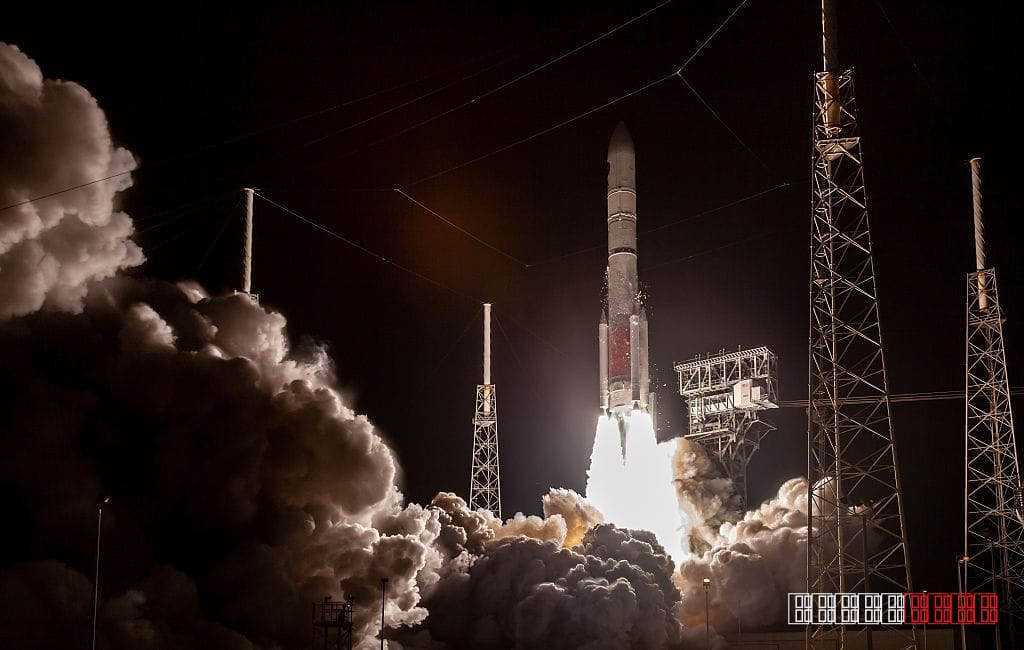
The Department of Defense has officially confirmed that a weapon has been placed into Earth’s orbit, marking the first public acknowledgment of a space‑based armament, TechCrunch reported. The announcement came after years of speculation and denials about the U.S. military’s involvement in deploying offensive capabilities beyond the atmosphere.
According to the Pentagon’s statement, the system was launched aboard a classified payload earlier this year and is now operational under the oversight of the U.S. Space Force. While the exact nature of the weapon remains undisclosed, officials said it is designed to protect American assets in space and to deter hostile actions against satellite infrastructure.
The disclosure arrives amid a broader shift in U.S. defense policy that has increasingly emphasized the militarization of space. In 2024, the National Defense Authorization Act authorized the creation of a dedicated Space Force, tasked with both defensive and, increasingly, offensive missions. Earlier this decade, the United States conducted several anti‑satellite (ASAT) tests, most notably the 2023 operation that demonstrated kinetic kill capabilities. Those tests, however, were framed as defensive measures, and the government refrained from labeling them as weapons.
Internationally, the move raises questions about compliance with the Outer Space Treaty of 1967, which prohibits the placement of nuclear weapons or any other weapons of mass destruction in orbit but is ambiguous about conventional arms. Critics argue that the lack of transparency could spark a new arms race, prompting other nations to accelerate their own space weapon programs. Russia and China have both hinted at expanding their orbital capabilities, and analysts warn that a lack of clear norms may destabilize the increasingly congested low‑Earth‑orbit environment.
The Pentagon emphasized that the new system is intended to safeguard critical communication, navigation, and intelligence satellites that underpin both civilian and military operations. By positioning a defensive weapon in orbit, the United States hopes to deter potential attacks that could cripple global infrastructure. The confirmation also signals a strategic pivot: rather than relying solely on ground‑based interceptors, the U.S. is now preparing to address threats directly in the space domain.
Observers note that the next steps will likely involve establishing rules of engagement for space weapons and engaging with allies to develop a coordinated response framework. As the technology matures, the balance between deterrence and escalation will be a focal point for policymakers worldwide.
This report is based on original reporting by TechCrunch. Read the original source →