U.S. sanctions bill targets Russian trade, raises questions for Indian exporters
President Trump has signed legislation imposing steep tariffs on Russian goods, prompting analysis of potential impacts on India’s trade ties.
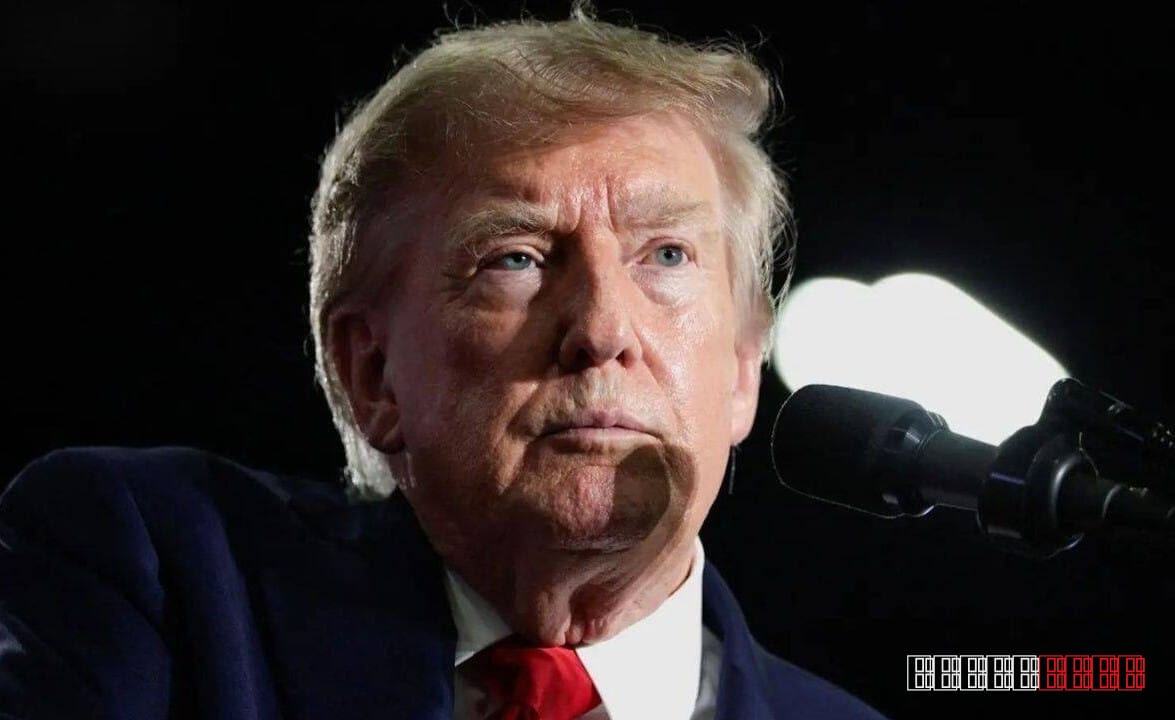
President Donald Trump signed a bipartisan sanctions bill on Wednesday that authorises a 100% tariff on a range of Russian imports, the Times of India reported. The legislation, passed in response to Moscow’s ongoing military actions in Ukraine, aims to cripple Russia’s revenue streams by making its exports prohibitively expensive for American consumers and businesses.
The new law targets commodities such as oil, natural gas, and certain high‑technology products. Under the bill, any Russian‑origin goods entering the United States will be subject to a full‑price levy, effectively doubling the cost for importers. The measure also includes secondary sanctions that could penalise non‑U.S. firms that facilitate the trade, a tactic designed to deter third‑country involvement.
India, which imports a modest share of Russian oil and has been expanding its energy ties with Moscow, is not directly listed among the primary targets. However, the Times of India noted that the secondary provisions could indirectly affect Indian companies that act as intermediaries in the supply chain. Analysts warn that if Indian firms are found to be assisting in the movement of sanctioned goods, they could face penalties, including loss of access to U.S. financial markets.
Background context Since the invasion of Ukraine in February 2022, the United States and its allies have layered sanctions on Russia, ranging from asset freezes to export controls. The latest bill builds on previous measures that already restricted Russian oil exports to the U.S. and aimed to cut off revenue used to fund the war. Historically, such sanctions have pressured Russia to seek alternative markets, with India emerging as a key buyer of discounted Russian oil. The new tariff regime tests the resilience of those trade pivots and raises diplomatic challenges for New Delhi, which must balance its energy security needs against the risk of secondary sanctions.
Industry observers suggest that Indian exporters of non‑energy goods may be less vulnerable, but the broader impact on bilateral trade could be significant. The Indian government is expected to engage with Washington to seek clarifications and possibly negotiate exemptions for certain sectors. Meanwhile, businesses are advised to conduct thorough compliance reviews to avoid inadvertent breaches of the new rules.
The bill’s passage underscores a shift in U.S. strategy, moving from indirect pressure to direct economic penalties. As the global community watches how Russia adapts, the ripple effects on third‑party economies like India will become clearer in the coming weeks.
This report is based on original reporting by Times of India. Read the original source →