UK Menopause Patients Turn to Male Identities for Online Testosterone Purchases
Facing prescription hurdles, some women in menopause are masquerading as men to obtain testosterone, prompting health warnings about dangerous hormone levels.
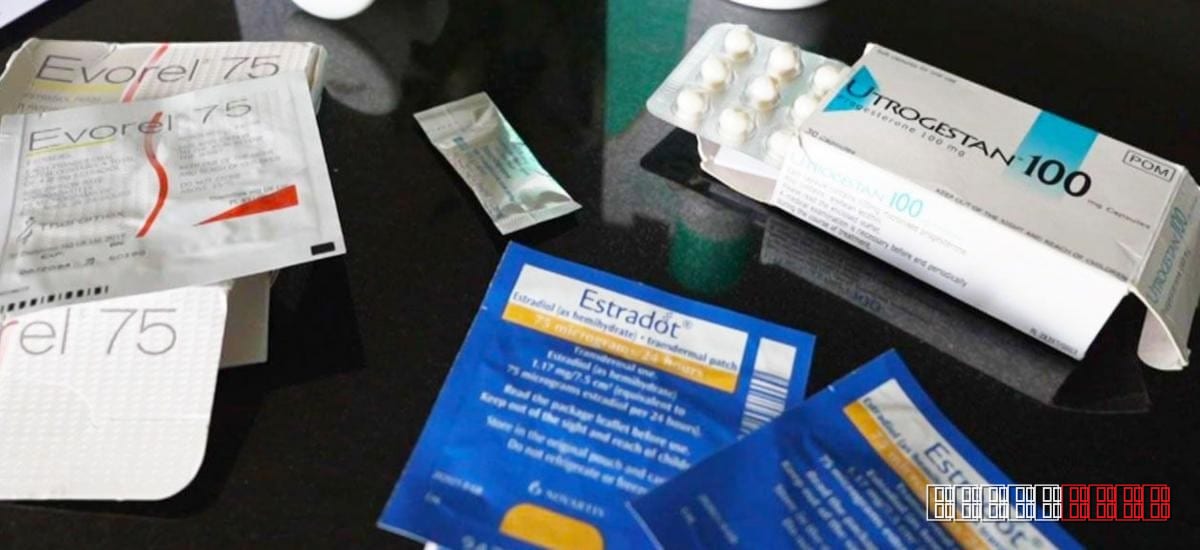
Women navigating menopause are increasingly resorting to deceptive tactics to acquire testosterone, a hormone traditionally prescribed to men, BBC News reported. The online market has become a back‑door for those who struggle to secure a legitimate prescription, with some adopting male aliases to bypass verification checks on pharmacy websites.
Clinicians say the reluctance of some general practitioners to prescribe testosterone for menopausal symptoms is driving the trend. While testosterone can alleviate low libido, fatigue, and mood swings, UK guidelines reserve its use for men, and prescribing it to women remains a cautious, case‑by‑case decision. The lack of clear pathways leaves many patients feeling underserved, prompting them to explore unregulated sources.
A menopause specialist highlighted the clinical fallout, noting she has encountered patients whose blood tests revealed testosterone concentrations up to twelve times the recommended safe limit. "These levels are far beyond what we consider therapeutic for women and pose serious health risks," the specialist told BBC News. Such elevated hormone levels can trigger acne, voice deepening, liver strain, and increased cardiovascular risk.
The surge in online purchases raises broader safety concerns. Unverified sellers often dispense products without medical oversight, and dosage instructions may be absent or misleading. Health regulators have warned that self‑medication with high‑dose testosterone can disrupt the endocrine system, leading to long‑term complications that are difficult to reverse.
Historically, testosterone therapy for women has been limited to specific conditions such as hypoactive sexual desire disorder, and only after thorough assessment. The UK Medicines and Healthcare products Regulatory Agency (MHRA) monitors illicit sales, but the sheer volume of internet pharmacies makes enforcement challenging. Experts urge patients to discuss symptoms openly with their doctors and to seek accredited clinics rather than anonymous online vendors.
Authorities are now considering tighter verification protocols for online hormone sales and greater education for healthcare providers about the legitimate role of testosterone in menopause management. Until such measures take effect, patients are advised to prioritize medical guidance to avoid the dangers of unregulated hormone use.
This report is based on original reporting by BBC News. Read the original source →