US Defense Officials Link Iran Conflict to Growing Ammunition Deficits
A recent Pentagon assessment warns that sustained operations against Iran have strained America’s munitions stockpiles and exposed supply‑chain bottlenecks.
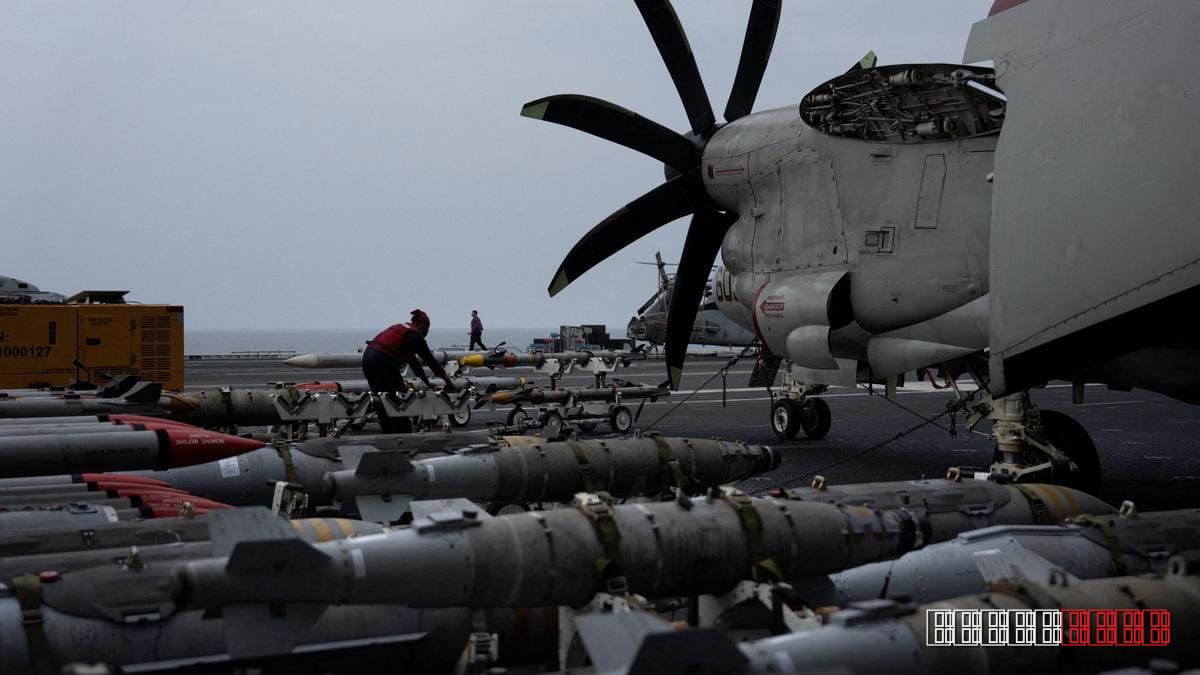
The Pentagon’s own analysis, cited by The Hindu, indicates that the ongoing war with Iran has pushed the United States into a shortfall of critical munitions. The report notes that the high rate of ammunition use in Operation Enduring Freedom (OEF) has created “strategic inventory shortfalls” and highlighted “industrial base bottlenecks for munitions resupply.”
According to The Hindu, the assessment was part of a broader review of the Defense Department’s logistics posture. It underscores that the surge in ordnance consumption over the past year has outpaced the capacity of domestic manufacturers to replenish stocks, prompting concerns among senior military leaders about readiness for future contingencies.
The United States has long relied on a just‑in‑time procurement model for many weapon systems, a strategy that proved efficient during the post‑Cold War drawdown but is vulnerable to sudden spikes in demand. Historically, large‑scale conflicts such as the wars in Iraq and Afghanistan strained the same supply chain, leading to temporary shortages of artillery shells and precision‑guided munitions. The current shortfall mirrors those earlier challenges, but the added dimension of a multi‑theater confrontation with Iran—spanning air, sea, and cyber domains—has amplified the pressure on factories that produce everything from small‑caliber rounds to advanced missile components.
Allied forces that depend on U.S. logistical support could feel the ripple effects. NATO partners and regional allies, many of whom integrate American ammunition into their own arsenals, may need to adjust training schedules or seek alternative sources if the deficit persists. The Pentagon has reportedly begun exploring options such as expanding existing production lines, fast‑tracking contracts with private firms, and tapping strategic reserves to bridge the gap.
While the report stops short of quantifying the exact size of the shortfall, it serves as a warning that prolonged high‑intensity operations can expose vulnerabilities in even the most robust defense industrial base. Policymakers are expected to review funding allocations for munitions research and manufacturing in the coming weeks, aiming to prevent a repeat of the shortages that plagued U.S. forces during the latter stages of the Afghan withdrawal.
The situation highlights a broader strategic dilemma: balancing the need for rapid, flexible response capabilities with the necessity of maintaining sufficient stockpiles for unforeseen escalations. As the United States navigates its posture toward Iran, the ammunition shortfall may become a pivotal factor in shaping both tactical decisions on the ground and longer‑term defense procurement strategies.
This report is based on original reporting by The Hindu. Read the original source →