Uttar Pradesh judge’s docket cleared as 100 murder cases reassigned after spate of death sentences
After sentencing 22 defendants to death in ten murder trials, Additional District and Sessions Judge Ravi Kumar Diwakar saw a batch of 100 murder cases moved to other courts.
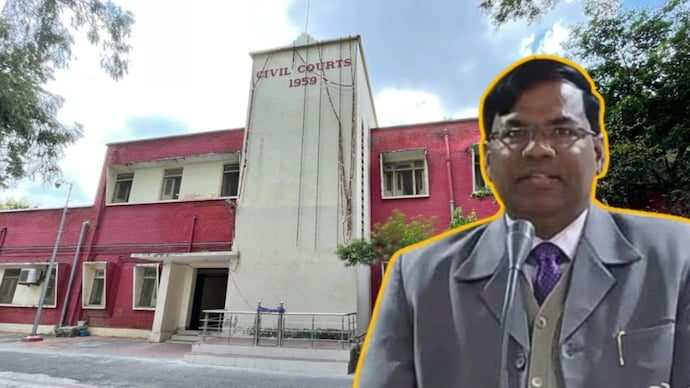
Additional District and Sessions Judge Ravi Kumar Diwakar, who presides over a court in Uttar Pradesh, has been at the centre of a rapid series of capital‑punishment rulings. In the span of four months, the judge ordered the death penalty for 22 accused individuals across ten separate murder cases, a pace that has drawn attention from legal observers and the public alike.
In a related administrative move, a total of 100 murder cases were transferred out of Judge Diwakar’s docket to other courts in the state. The reassignment, announced by the district court administration, is presented as a routine measure to balance workload and ensure timely justice. Officials did not provide a detailed rationale for the shift, but the timing coincides with the judge’s recent flurry of death‑sentence verdicts.
The death sentences handed down by Judge Diwakar cover a range of homicide offences, including cases of pre‑meditated murder and gang‑related killings. Each verdict followed the standard procedural steps under the Indian Penal Code, with the judge citing the severity of the crimes and the presence of aggravating factors as grounds for capital punishment. Defense counsel in several of the cases indicated that appeals would be filed in higher courts, as is customary in death‑penalty matters.
Uttar Pradesh, India’s most populous state, has a high volume of criminal cases, and its courts often grapple with backlogs. The transfer of 100 murder files is part of broader efforts by the state judiciary to redistribute cases and prevent any single judge from becoming overloaded. Legal experts note that while the reassignment itself is procedural, the concentration of death‑sentence rulings in a short period is unusual and may prompt scrutiny of sentencing trends.
The developments highlight the ongoing tension between swift judicial action and the safeguards built into India’s criminal justice system. As the transferred cases proceed in new courts, the outcomes will add further data to the national conversation on the use of the death penalty and case management within the country’s busiest courts.