Von der Leyen proposes Canada as EU's inaugural associate member
The European Commission President suggested a historic partnership amid rising U.S. trade tensions with Ottawa.
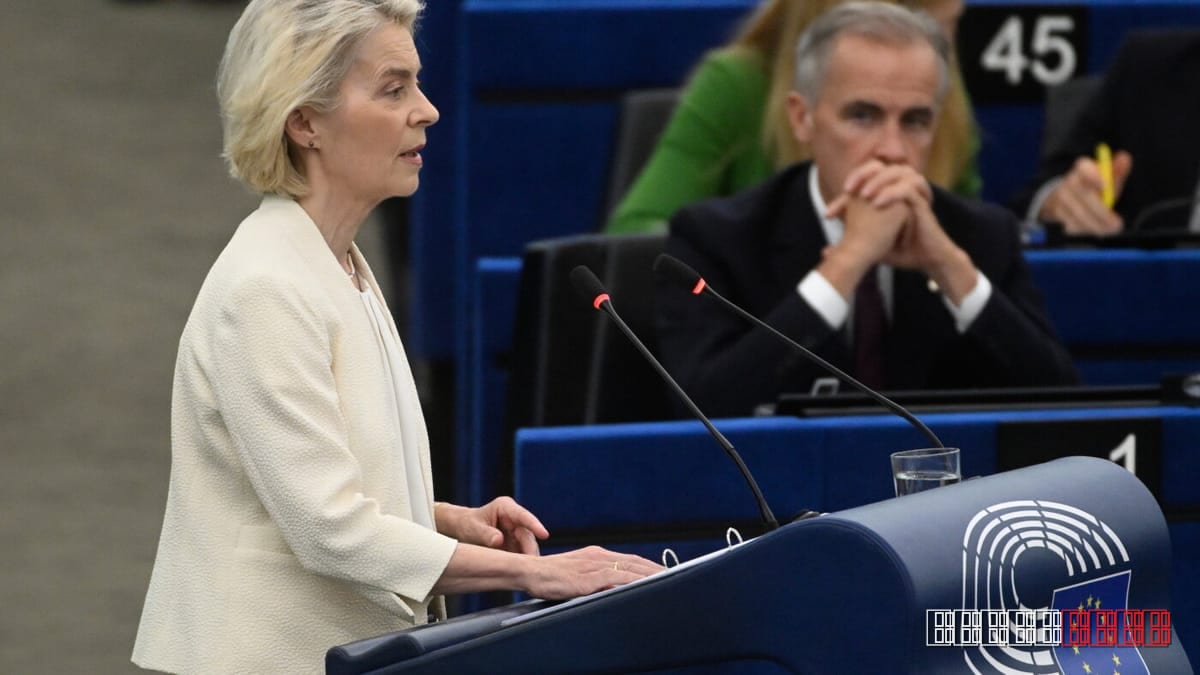
European Commission President Ursula von der Leyen announced on Wednesday that the European Union should consider Canada as its first associate member, NPR reported. The proposal marks a significant diplomatic overture, positioning Canada closer to Europe at a time when Washington’s trade policies are straining the traditional North‑American alliance.
Von der Leyen’s suggestion comes as President Donald Trump’s recent tariffs on Canadian steel and aluminum have pushed Ottawa to explore alternative markets. The tariffs, introduced earlier this year, have prompted Canadian officials to seek deeper economic ties beyond the United States, and the EU’s associate‑member framework could offer a new avenue for trade liberalisation and regulatory cooperation.
An associate‑member status would not grant Canada full EU membership, but it would allow for participation in certain policy areas, access to EU programmes, and a stronger voice in shaping standards that affect transatlantic commerce. The EU has previously used associate arrangements with countries such as Norway and Iceland, which participate in the single market without being full members. Extending a similar relationship to Canada would be unprecedented, reflecting both the EU’s strategic interest in a reliable partner across the Atlantic and Canada’s desire to diversify its trade portfolio.
Canada and the EU already enjoy a robust trading relationship, underpinned by the Comprehensive Economic and Trade Agreement (CETA) that came into force in 2017. CETA eliminated most tariffs between the two blocs and established mechanisms for regulatory cooperation. An associate‑member link could deepen these ties, potentially harmonising standards in areas like digital services, green technology, and defence procurement.
Analysts note that the move also carries political symbolism. By extending an associate invitation, the EU signals its willingness to support democratic allies confronting protectionist pressures. For Canada, the prospect of an EU associate status could serve as leverage in negotiations with the United States, while reinforcing its commitment to multilateral trade rules.
The proposal is still at an early stage; formal negotiations would need approval from EU member states and the European Parliament, as well as a reciprocal commitment from the Canadian government. If successful, Canada would become the first non‑European nation to hold such a position, reshaping the architecture of transatlantic cooperation.
This report is based on original reporting by NPR. Read the original source →