Washington blocks dozens of Canadian products as trade tensions flare
The United States will prohibit a range of Canadian imports starting Sept. 29, intensifying a dispute that began over dairy and lumber tariffs.
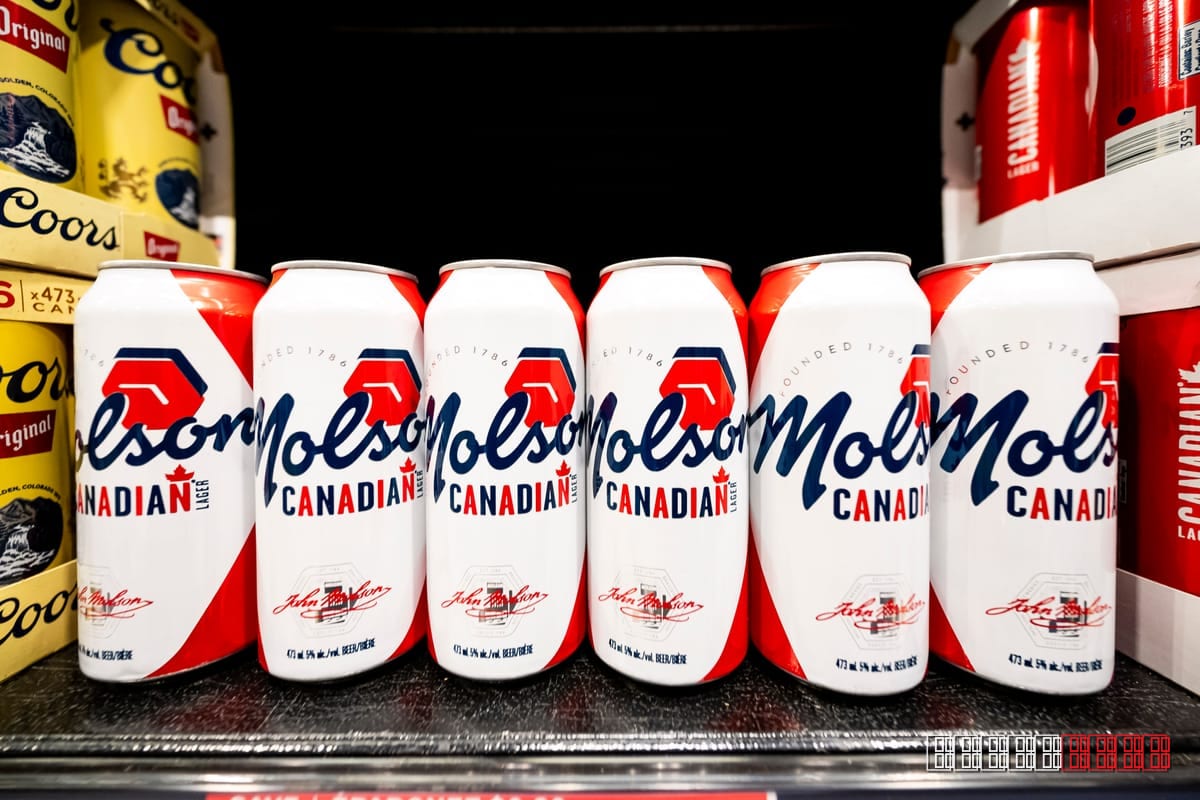
The United States announced it will bar a broad list of Canadian goods from entering the American market, with the measures slated to begin on Sept. 29. CNBC reported that the ban covers items ranging from softwood lumber and dairy products to certain agricultural commodities and manufactured goods, marking the most expansive import restriction the two neighbors have imposed in recent years.
U.S. Trade Representative Katherine Tai said the move is a response to what Washington calls “unfair trade practices” by Canada, including subsidies that allegedly give Canadian producers an advantage. The administration plans to enforce the ban through Customs and Border Protection, which will deny entry to shipments that fall under the new list. Canadian officials have yet to detail a formal retaliation, but the Canadian government warned that the step could trigger reciprocal measures.
The latest escalation follows a series of disputes that have simmered since the United States lifted its long‑standing dairy tariff exemption for Canada in 2022. That decision sparked a retaliatory Canadian ban on U.S. pork and beef, and both sides have since clashed over softwood lumber, aluminum, and steel. Trade experts note that the current ban is the first time the U.S. has used an import prohibition as a bargaining chip rather than imposing additional duties, a strategy that could reshape the bilateral trade dynamic.
Historically, the U.S. and Canada have enjoyed one of the world’s most integrated economies, with annual trade exceeding $700 billion. The two countries are bound by the United States‑Mexico‑Canada Agreement (USMCA), which provides mechanisms for dispute resolution, but both governments have signaled a willingness to sidestep those channels when political pressure mounts. Analysts caution that prolonged restrictions could disrupt supply chains, raise prices for consumers, and prompt businesses to seek alternative sourcing outside North America.
Looking ahead, the ban’s effectiveness will depend on enforcement and any counter‑measures Canada may adopt. If the dispute deepens, it could draw scrutiny from the World Trade Organization and potentially involve other allies who watch the North American market closely. For now, businesses on both sides are scrambling to adjust contracts and inventory ahead of the September deadline.
This report is based on original reporting by CNBC. Read the original source →