Welsh, Scottish and Irish parties urge overhaul of UK constitutional framework
Plaid Cymru, SNP and Sinn Féin leaders say Westminster must prepare for major constitutional reform amid growing calls for greater autonomy.
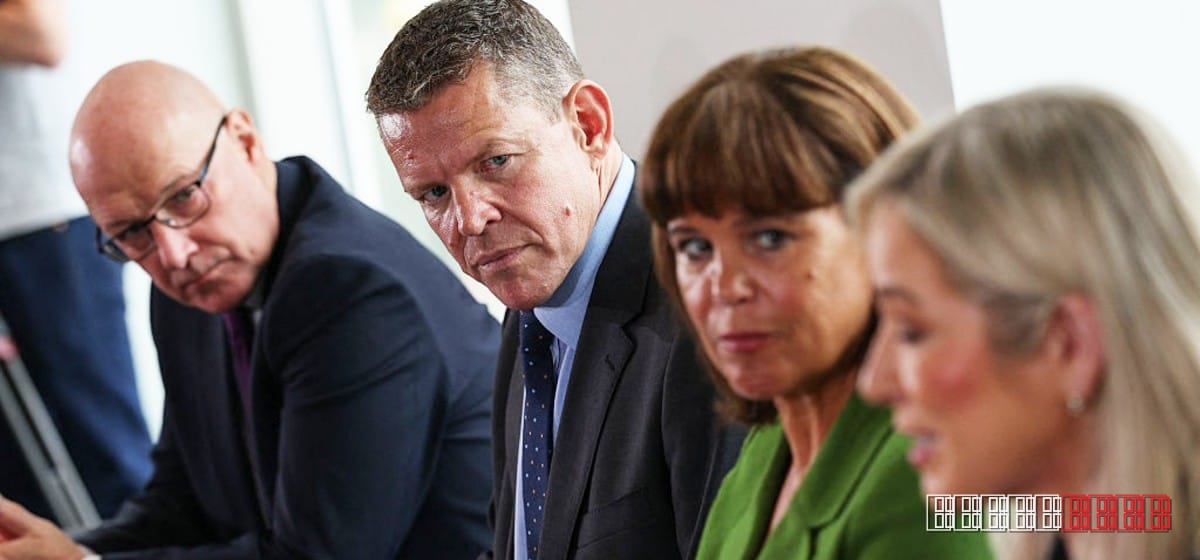
Leaders of Plaid Cymru, the Scottish National Party and Sinn Féin have warned that the United Kingdom’s central government should brace for a reshaping of the country’s constitutional arrangements. Speaking at a joint press conference, the three politicians argued that Westminster’s historic dominance is waning and that the union must adapt to the aspirations of its constituent nations, BBC News reported.
Plaid Cymru’s leader emphasized that Wales has reached a “new political moment” where the public expects more powers over health, education and fiscal policy. The SNP chief executive echoed similar sentiments for Scotland, noting that the 2014 independence referendum left a lingering desire for a clearer voice in Westminster. Sinn Féin’s representative added that Northern Ireland’s power‑sharing institutions remain fragile and that a re‑imagined constitutional settlement could provide stability, according to the BBC.
The call comes against a backdrop of long‑standing devolution settlements that were introduced in the late 1990s. Since then, Scotland, Wales and Northern Ireland have each gained varying degrees of legislative authority, but critics argue that the current framework still centralises key decisions in London. Recent political turbulence – including Brexit‑related trade disputes, the 2022‑23 cost‑of‑living crisis and the 2023 UK government’s stalled reforms – has intensified pressure on the union to reconsider its structure.
Historically, the UK has been a unitary state with a flexible constitution, allowing Parliament to amend its own rules. However, the growing prominence of regional parties and the rise of nationalist sentiment have challenged that model. Analysts note that any substantial constitutional change would likely require a combination of parliamentary legislation, possibly a new referendum, and extensive negotiations among the four nations. The process could be protracted, with implications for everything from fiscal transfers to international representation.
While the three leaders stopped short of demanding immediate independence, they called for a “clear roadmap” toward a more balanced union. Their statements signal a coordinated push that could shape future debates in the House of Commons and the devolved assemblies. As the UK grapples with economic and social pressures, the demand for a re‑balanced constitutional order may become a defining issue in the next election cycle.
This report is based on original reporting by BBC News. Read the original source →