Xi Jinping touches down in New Delhi for BRICS gathering amid global conflicts
China's leader arrives for the 2026 BRICS summit as wars in Ukraine and the Middle East and energy concerns dominate discussions, Al Jazeera reports.
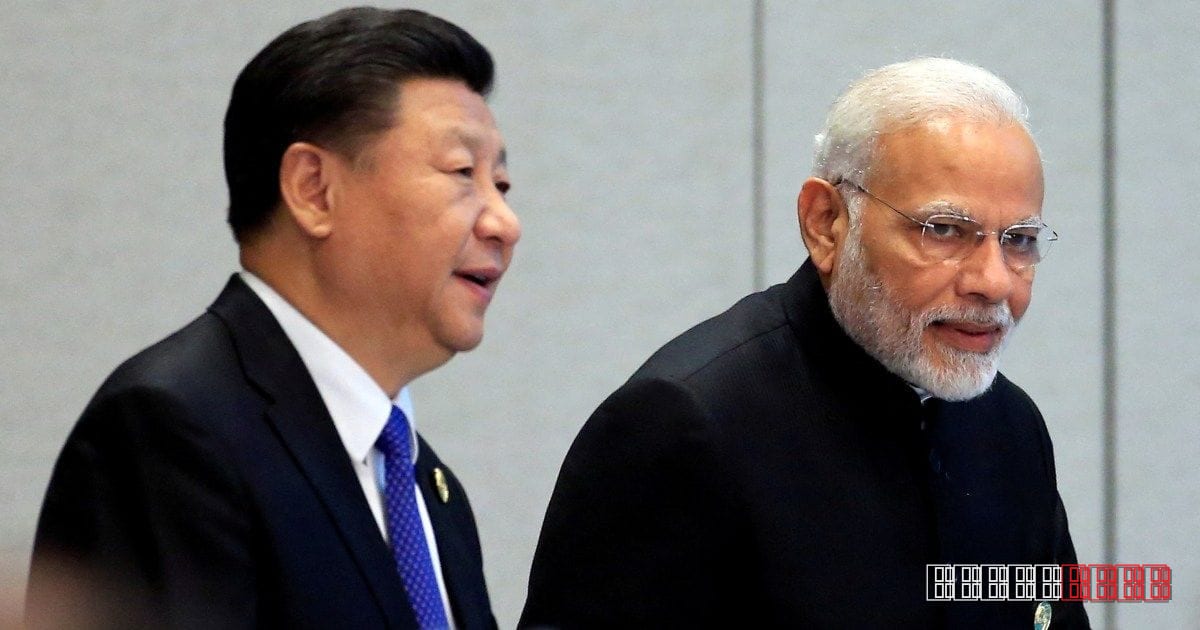
China’s President Xi Jinping landed in New Delhi on Monday, marking the start of the six‑nation BRICS summit hosted by India. Al Jazeera reported that the delegation will stay in the capital for the three‑day meeting, which brings together Brazil, Russia, India, China and South Africa to coordinate on economic and geopolitical issues.
The agenda, according to Al Jazeera, is expected to be heavily shaped by two ongoing wars – the conflict in Ukraine and the fighting in the Middle East – as well as by broader concerns over global energy security. Delegates are likely to discuss how sanctions on Russia and disruptions to oil supplies have reshaped trade patterns, and whether the bloc can present a unified stance on these crises.
India’s role as host is historically significant. This is the first BRICS summit held on the Indian subcontinent, reflecting New Delhi’s ambition to position itself as a bridge between the traditional Western‑led order and the emerging multipolar framework championed by the bloc. The country has also been lobbying for the inclusion of new members, a move that could dilute Russia’s influence while expanding the group’s economic reach.
The summit arrives at a moment of heightened tension between the major powers involved. Russia’s invasion of Ukraine has strained its ties with the West, prompting Beijing and New Delhi to deepen cooperation as a counterweight. Meanwhile, the Middle East war has disrupted energy flows, driving up prices and forcing BRICS economies to consider alternative supply chains. Analysts note that the convergence of these conflicts tests the bloc’s cohesion, as member states balance national interests against collective goals.
Observers say the outcomes of the New Delhi meeting could shape the trajectory of global governance for years to come. If the summit produces concrete agreements on energy diversification or a coordinated diplomatic approach to the wars, it may reinforce BRICS as a credible alternative to institutions like the IMF and World Bank. Conversely, a lack of consensus could underscore the limitations of the alliance in confronting entrenched geopolitical disputes.
This report is based on original reporting by Al Jazeera. Read the original source →