Bolivian lawmakers ratify $1.9 billion IMF package as unions warn of unrest
Congress gave the green light to a multi‑billion IMF loan, sparking union concerns over fuel subsidy cuts and possible street protests.
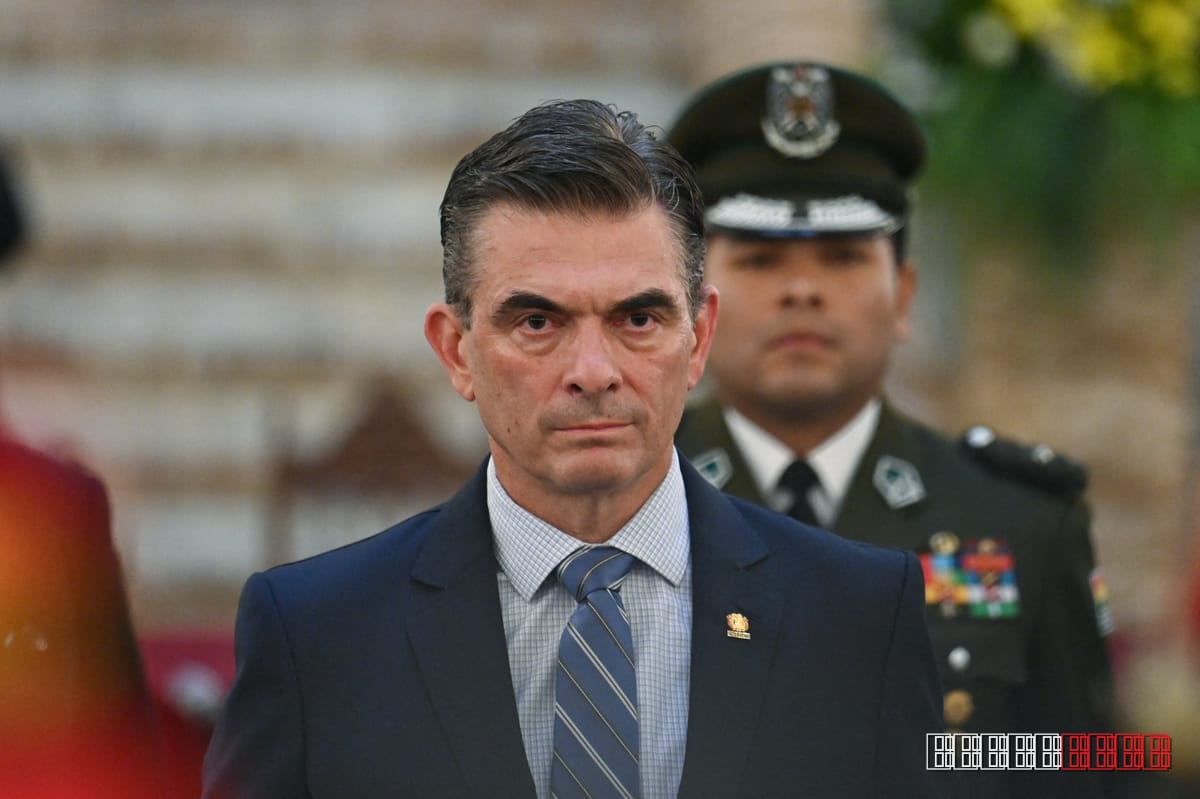
Bolivia’s lower house approved a $1.9 billion loan from the International Monetary Fund on Monday, a move that Al Jazeera reported could be met with mass demonstrations if the government follows through on proposed austerity measures. The legislation passed with a narrow majority, allowing the executive branch to negotiate the final terms of the agreement.
The IMF framework calls for a gradual reduction of fuel subsidies, a policy shift that unions say will raise living costs for ordinary Bolivians. According to Al Jazeera, labor leaders warned that cutting the subsidies could reignite the kind of street protests that have erupted in past years when price hikes were introduced.
Bolivia has struggled with high inflation, a depreciating currency and a slowdown in commodity exports since the pandemic, prompting the government to seek external financing. This is the country’s third major IMF programme in less than a decade, each aimed at stabilising public finances and restoring investor confidence. Previous arrangements have been accompanied by social unrest, most notably the 2019‑2020 protests that toppled the then‑president after a disputed election.
Union federations, representing transport workers and miners, have mobilised their members and issued statements demanding that any subsidy reforms be phased in slowly and paired with social safety nets. Historically, Bolivia’s social movements have been quick to organise nationwide strikes when economic reforms threaten household budgets, a pattern that analysts say could repeat if the government proceeds without broader consensus.
President Luis Arce’s administration argues that the loan is essential to bridge fiscal gaps and fund infrastructure projects that could generate jobs. The cabinet has signalled willingness to negotiate the timing of subsidy cuts, hoping to avert a backlash ahead of the upcoming regional elections. Observers note that the political calculus will hinge on whether the government can balance IMF conditions with the demands of a populace still sensitive to price volatility.
The approval marks a critical juncture for Bolivia’s economic recovery, but the path forward remains uncertain. If unions follow through on their threat to organise protests, the country could see renewed disruptions that would test both the new loan’s efficacy and the government’s capacity to manage social tension.
This report is based on original reporting by Al Jazeera. Read the original source →