Congress stalls on AI oversight as lawmakers shift focus to campaign trail
Despite mounting pressure from Anthropic, OpenAI and xAI for clearer rules, Capitol Hill has yet to move on AI regulation as the House returns to election mode.
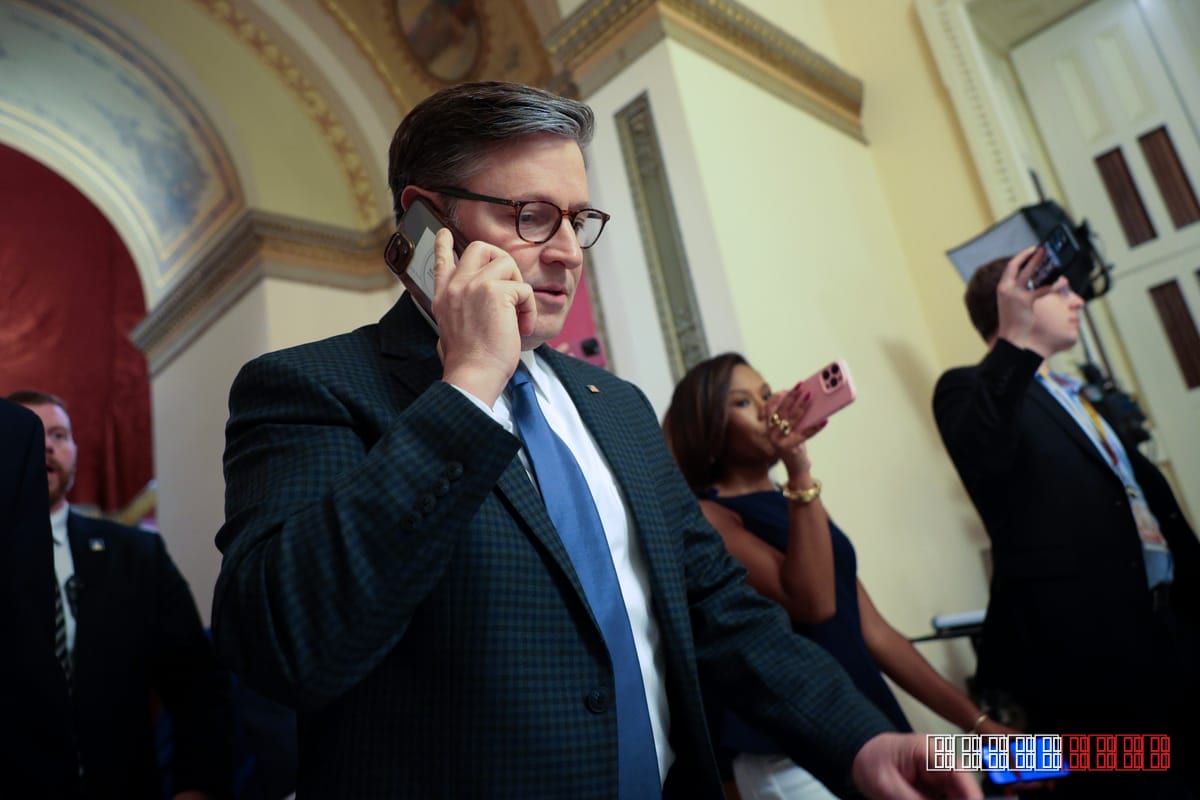
Washington faces growing calls for a coordinated response to artificial‑intelligence risks, but legislative momentum remains limited. CNBC reported that leading AI developers—including Anthropic, OpenAI and Elon Musk’s xAI—have publicly urged Congress to establish a regulatory framework, yet no substantive bills have cleared the House.
The timing of the appeals coincides with the end of the congressional session, when many representatives begin packing for the upcoming mid‑term campaign season. As the House prepares to leave Washington, lawmakers are expected to prioritize constituent outreach and fundraising over drafting new AI policy, a dynamic that could delay any comprehensive oversight for months.
The push for regulation stems from a series of high‑profile incidents in recent years, such as deep‑fake misinformation, biased algorithmic outputs, and concerns over the rapid deployment of large language models. In 2024, the Senate passed a bipartisan resolution encouraging the Federal Trade Commission and the National Institute of Standards and Technology to develop AI guidelines, but the House has yet to adopt a companion measure. Industry leaders argue that without clear rules, innovation could outpace safety safeguards, potentially eroding public trust.
Historically, technology regulation in the United States has followed a reactive pattern—legislation often arrives after market disruptions have caused measurable harm. The current AI debate mirrors earlier battles over internet privacy and autonomous vehicles, where industry lobbying and political calculations shaped the pace of lawmaking. Analysts warn that the current legislative lull could allow unchecked AI applications to proliferate, raising questions about data privacy, employment displacement, and national security.
If the House reconvenes after the election cycle, it may face renewed pressure from both consumer advocacy groups and the tech sector to address the regulatory gap. Until then, the status quo persists, leaving the nation in a regulatory gray zone while AI companies continue to expand their services.
The situation underscores a broader challenge for policymakers: balancing the desire to foster innovation with the imperative to protect citizens from emerging digital threats. As the next congressional session approaches, the urgency expressed by AI firms may finally translate into concrete legislative action, but for now, the Capitol remains on pause.
This report is based on original reporting by CNBC. Read the original source →