Consumer Lawsuit Targets Oura Ring Over Sleep Tracking Claims
A new legal filing alleges the wearable cannot accurately measure the physiological data it advertises for sleep analysis.
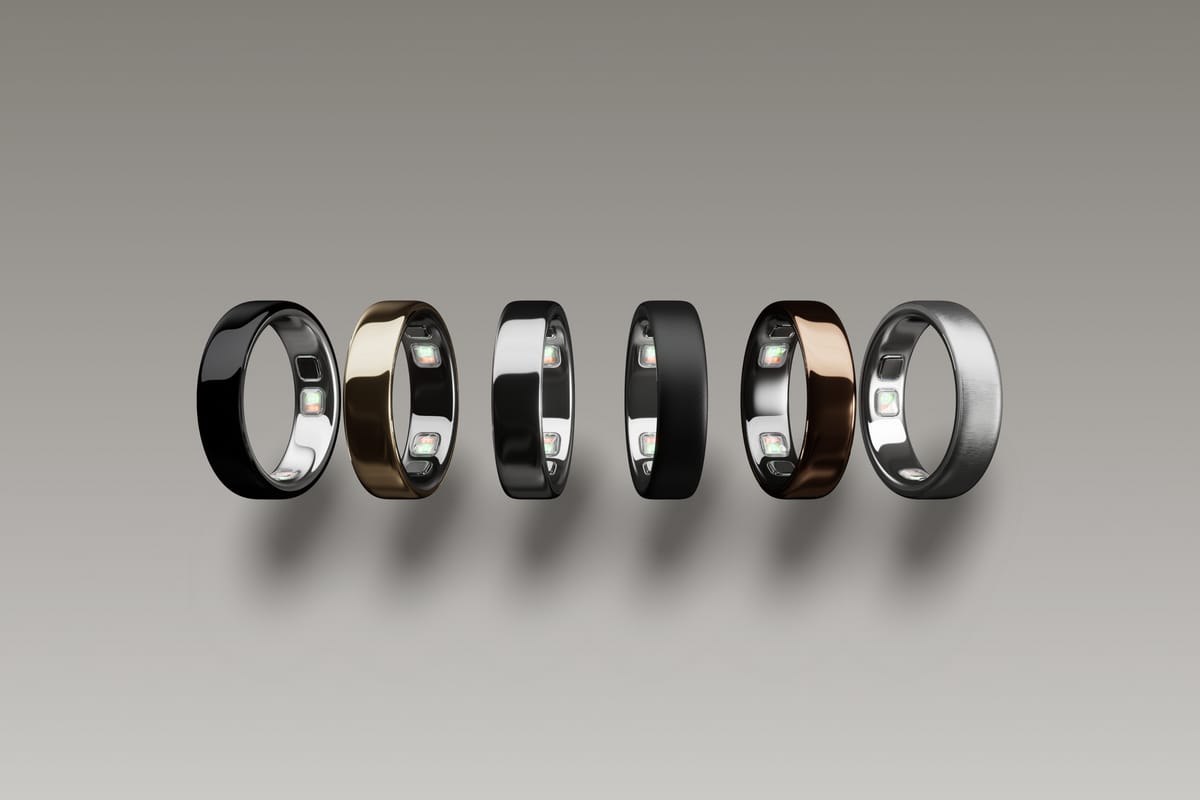
A consumer lawsuit filed in a U.S. federal court claims that Oura Ring, the popular health‑tracking wearable, misleads buyers about its ability to assess sleep quality and stages. The complaint asserts that the device lacks the physiological sensors required to capture the data it promotes, rendering its sleep‑tracking features unreliable.
According to the filing, Oura markets the ring as a “clinical‑grade” sleep monitor that can detect deep, light, and REM phases, as well as overall sleep quality. Plaintiffs argue that the hardware does not record the brain waves, eye movements, or muscle tone typically used by sleep scientists to differentiate those stages. Instead, the ring relies on indirect metrics such as heart rate and motion, which the suit says are insufficient for the detailed analysis Oura advertises.
The complaint also alleges false advertising under federal consumer‑protection statutes, seeking damages for purchasers who bought the ring based on its purported accuracy. While the lawsuit does not disclose the number of plaintiffs, it references a broader consumer concern that wearable tech often overstates its medical‑grade capabilities.
Oura has not yet responded publicly to the allegations. The company, founded in 2013 in Finland, has positioned its ring as a premium wellness device, partnering with health insurers and corporate wellness programs. Industry analysts note that the market for sleep‑tracking wearables has grown rapidly, but regulatory scrutiny has increased as consumers expect more rigorous validation of health claims.
Legal experts suggest the case could prompt clearer guidelines for wearable manufacturers about the level of evidence needed to back sleep‑tracking assertions. If the court finds Oura’s marketing deceptive, the company may need to adjust its messaging or provide refunds to affected customers.
The outcome of this lawsuit could have broader implications for the wearable industry, where the line between lifestyle tracking and medical diagnostics continues to blur.