Cross‑border warning systems under scrutiny after Nepal's latest floods
Recent flash floods in Nepal have revived calls for coordinated early‑alert mechanisms across the Himalayan region.
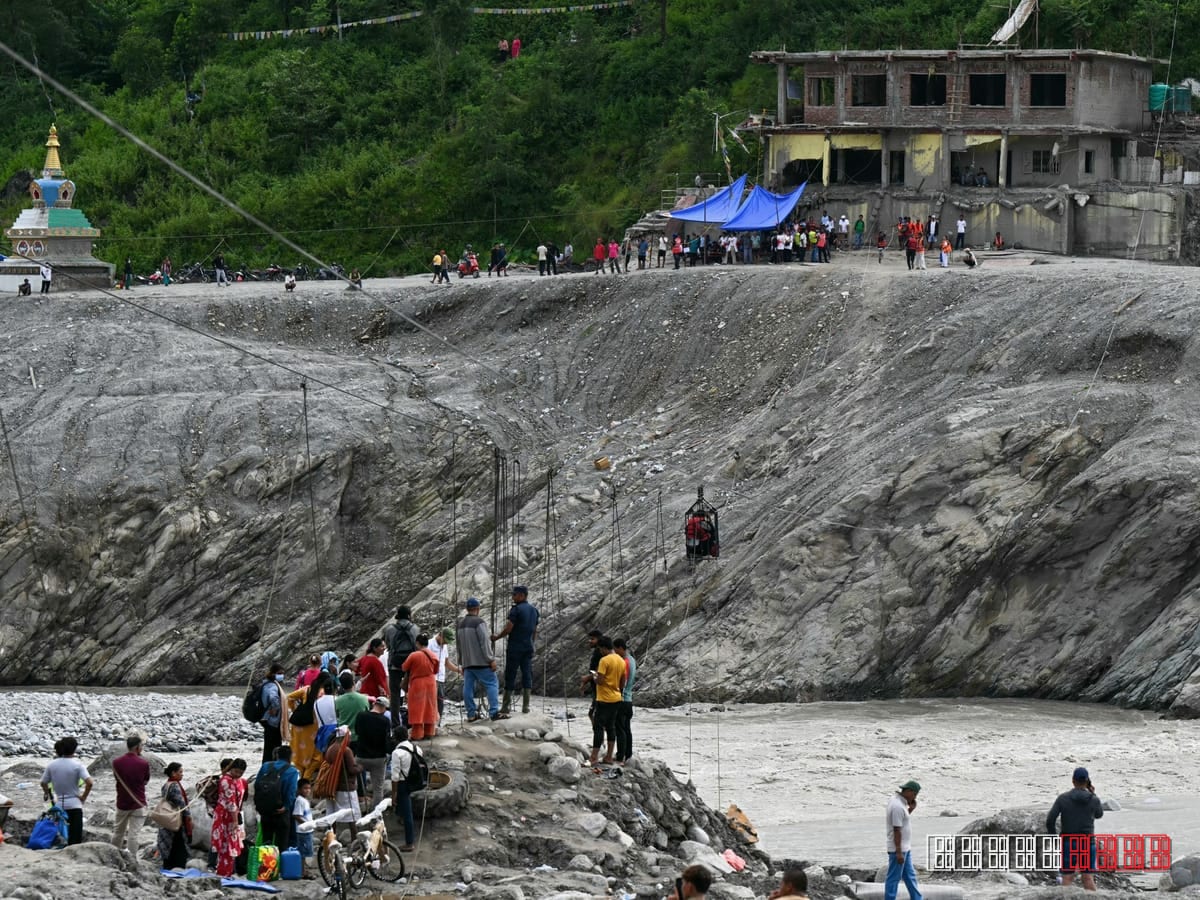
Heavy monsoon rains this week triggered flash floods across Nepal’s central hills, leaving dozens injured, thousands displaced and key roadways washed away. Al Jazeera reported that the sudden surge of water inundated villages along the Trishuli and Marshyangdi rivers, prompting urgent rescue operations and highlighting the vulnerability of mountain communities to extreme weather.
Local authorities declared a state of emergency as emergency shelters filled with families who lost homes and livestock. Power outages and landslides compounded the crisis, cutting off access to remote settlements. While the Nepali government mobilised the army and Red Cross volunteers, the scale of the disaster underscored gaps in forecasting and communication that could have mitigated the damage.
Experts quoted by Al Jazeera argue that the incident exposes a critical flaw in the region’s early‑warning infrastructure. "When a flood originates in the Himalayas, its impact ripples downstream across national borders," one hydrologist said, noting that neighboring countries such as India and Bangladesh depend on the same river basins. The specialist warned that without a shared alert system, downstream populations remain exposed to sudden surges that can overwhelm local preparedness.
The Himalayas act as a water tower for more than a billion people, feeding the Ganges, Brahmaputra and Indus river systems. Climate change has accelerated glacial melt, increasing the frequency of glacial lake outburst floods (GLOFs) and intense monsoon downpours. Historically, the region has relied on fragmented national monitoring networks, but scientists now stress that transboundary data sharing is essential to predict and respond to such events.
Regional cooperation mechanisms, including the South Asian Association for Regional Cooperation (SAARC), have struggled to establish a unified warning protocol. Political sensitivities, limited funding and differing technical capacities have hampered progress. Nonetheless, recent floods have spurred dialogue among Nepal, India and Bangladesh about joint sensor deployment and real‑time data exchange, steps that could form the backbone of a more resilient early‑warning system.
As the waters recede, the focus shifts to rebuilding and bolstering preparedness. International aid agencies are assessing long‑term mitigation strategies, while local communities call for clearer communication channels. The Nepal floods have become a stark reminder that the Himalayas’ health directly influences downstream safety, and that coordinated alerts may be the only viable shield against future catastrophes.
This report is based on original reporting by Al Jazeera. Read the original source →