Election Day Marks Russia’s First Nationwide Vote Since 2022
Citizens head to the polls to decide if any opposition forces can dent United Russia’s grip on power.
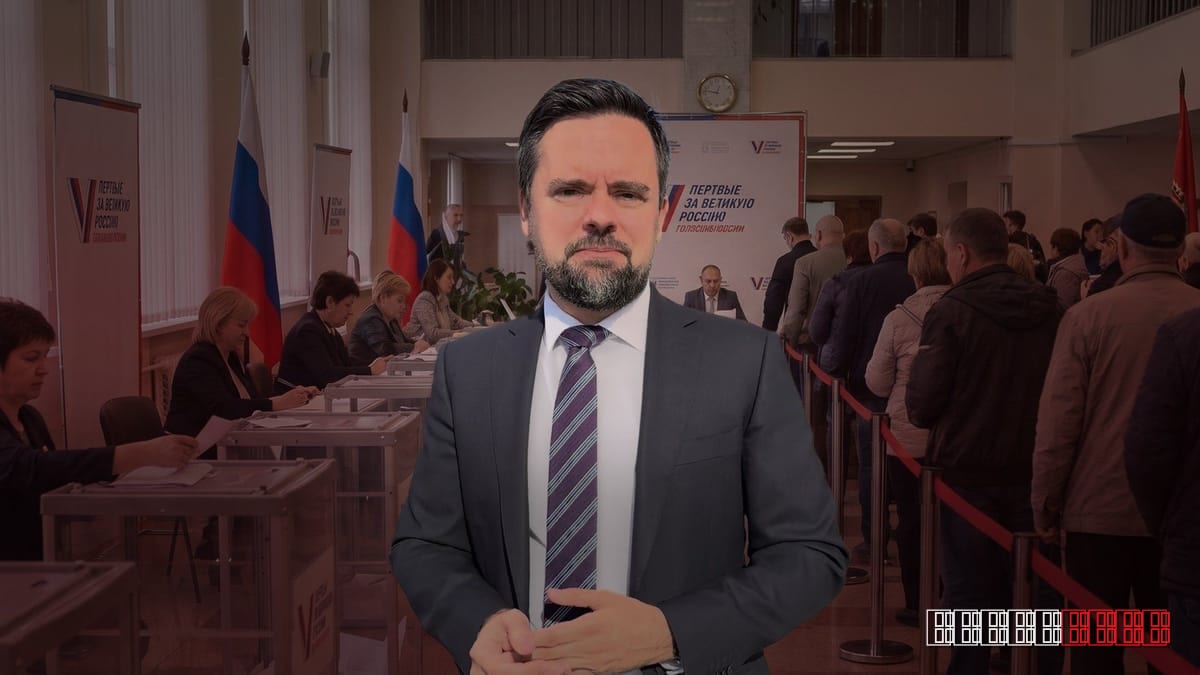
Russians cast ballots on Saturday in what Al Jazeera describes as the first nationwide election since the government’s 2022 mobilisation for the war in Ukraine. The vote determines the composition of the State Duma, the lower house of parliament, and tests whether any opposition parties can make inroads against the ruling United Russia bloc that backs President Vladimir Putin.
According to Al Jazeera, United Russia entered the campaign with a clear advantage: it controls most regional media, enjoys state funding, and has a track record of winning a super‑majority in every election since the early 2000s. Opposition groups, including the Communist Party, the Liberal Democratic Party and the newer “New People” movement, face legal obstacles, limited access to television, and the threat of arrests for campaign activities.
The election is being monitored by a handful of independent observers, but many Western NGOs have declined to send delegations, citing restrictions on their movement and the risk of intimidation. Kremlin officials have repeatedly promised a “transparent and fair” process, yet past elections have been marred by reports of ballot stuffing, inflated turnout figures and the exclusion of candidates deemed hostile to the state.
Historically, United Russia’s dominance has allowed it to pass legislation that consolidates power, curtails civil liberties and sustains the military effort in Ukraine. A shift, even a modest one, could alter the legislative agenda, potentially easing some of the most repressive measures or, conversely, prompting a crackdown to preserve the status quo. Analysts note that any loss of seats would be symbolic rather than decisive, given the party’s control over the executive branch.
The outcome will also influence Russia’s international standing. A credible showing by opposition forces could be leveraged by Western governments to argue for a more nuanced approach to sanctions, while a sweep by United Russia would reinforce narratives of an entrenched authoritarian system. Voter turnout, which the state typically inflates, will be a key metric watched by both domestic and foreign observers.
Regardless of the results, the election underscores a pivotal moment for Russian civil society. Citizens who have endured years of war, economic strain and limited political choice are now deciding whether the existing power structure will persist or face a modest challenge from the fringe of the political spectrum.
This report is based on original reporting by Al Jazeera. Read the original source →