Fed raises rates amid Trump’s push for cuts, reviving independence debate
The Federal Reserve voted unanimously for a 0.25 percentage‑point hike despite President Trump’s repeated pleas for lower borrowing costs.
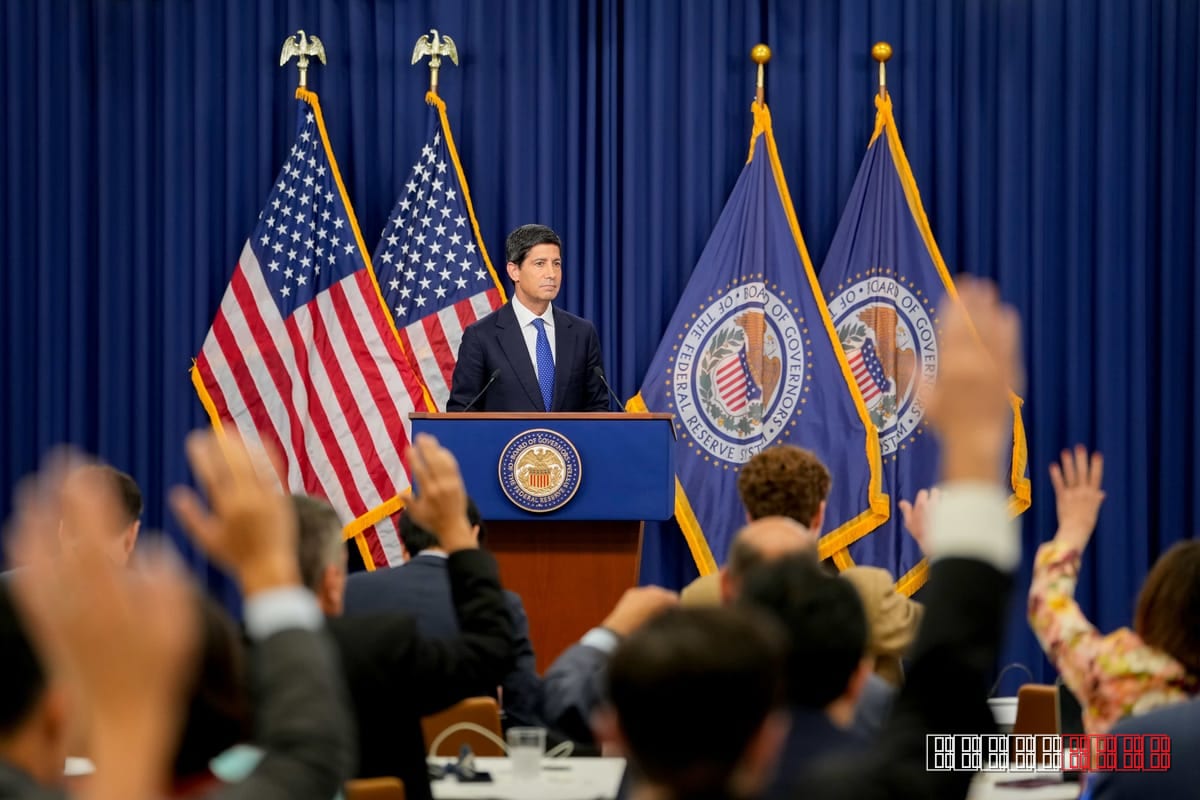
The Federal Reserve announced a unanimous 25‑basis‑point increase in its benchmark interest rate on Friday, moving the policy rate to a range of 5.25%‑5.50%. CNBC reported that the decision came even as President Donald Trump publicly urged the central bank to lower rates to spur growth and protect his administration’s economic narrative.
Fed officials said the modest tightening reflects still‑elevated inflation pressures and a desire to keep the labor market from overheating. The move marks the second rate hike this year and follows a series of data points showing price gains above the Fed’s 2% target. While the vote was unanimous, the statement noted that some policymakers remain cautious about the pace of future increases.
President Trump, who has been vocal about monetary policy since taking office, dismissed the hike as “unnecessary” and warned that higher rates could hurt American families. In a televised interview, he called on the Fed to “do the right thing” and cut rates to stimulate the economy, echoing a pattern of criticism that dates back to the 1980s. Political analysts see the clash as a potential flashpoint for the upcoming midterm elections, where economic messaging will be pivotal.
The tension between the White House and the Fed is not new. Historically, presidents have pressured the central bank for lower rates during periods of sluggish growth, but the Fed’s charter guarantees operational independence to shield monetary policy from short‑term political influence. Kevin Warsh, a former Fed governor who now advises Trump’s economic team, has been a vocal advocate for a more accommodative stance, arguing that the Fed’s tightening could stifle the recovery. This latest episode revives a long‑standing debate over whether the Fed can maintain its autonomy when faced with sustained executive criticism.
Market participants reacted modestly, with Treasury yields edging higher and the dollar strengthening against major currencies. Economists predict that the Fed will continue its data‑dependent approach, likely pausing further hikes if inflation shows signs of easing. For now, the policy divergence underscores a broader narrative: the balance of power between elected officials and an independent central bank remains a defining feature of U.S. economic governance.
This report is based on original reporting by CNBC. Read the original source →