Gundlach argues Fed missed chance to curb inflation with larger rate hike
The double‑bond investor says a 0.5‑point increase would have been more effective than the 0.25‑point move the Fed chose.
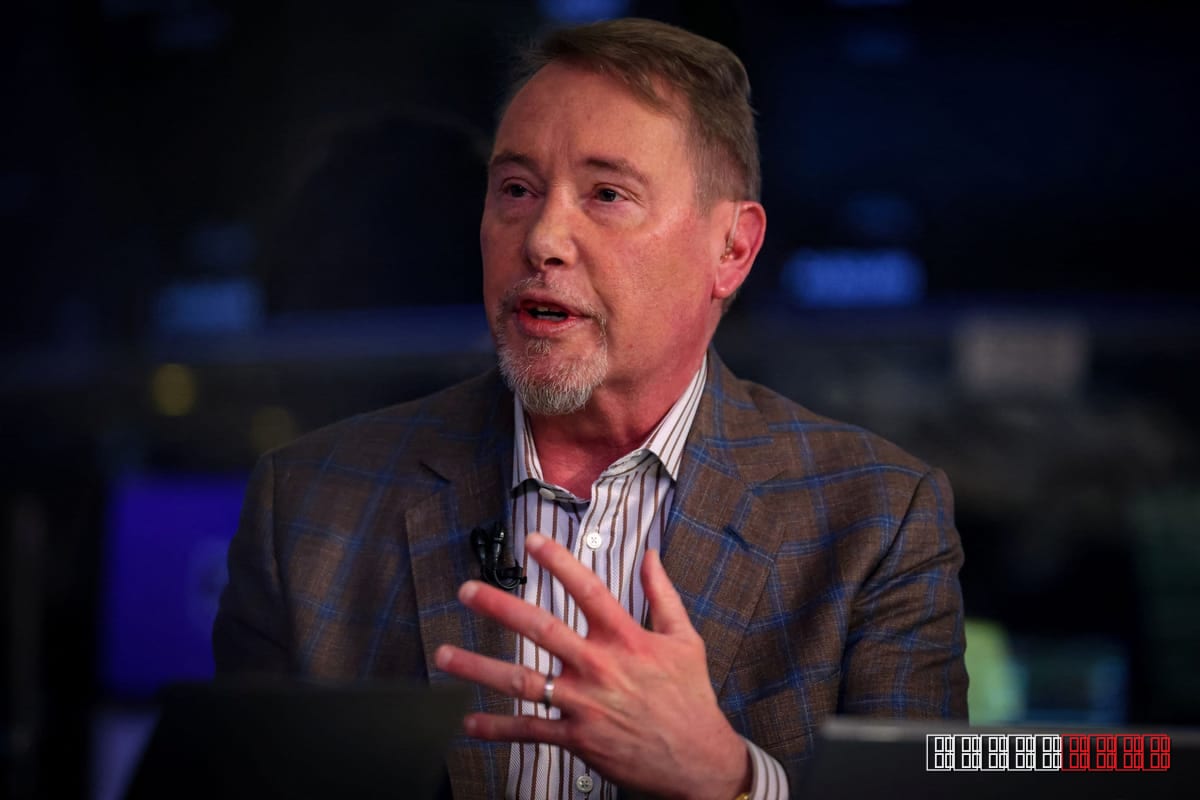
Double‑bond investor Jeff Gundlach told CNBC that the Federal Reserve’s recent decision to raise its benchmark rate by a quarter‑point fell short of what he believes was needed to tame persistent price pressures. Gundlach, who runs DoubleLine Capital, said a half‑percentage‑point hike would have sent a clearer signal to markets and helped anchor inflation expectations more firmly.
Gundlach’s critique comes as the Fed grapples with a mixed economic picture: consumer prices remain above the 2 % target, while labor markets stay tight and growth shows signs of slowing. The central bank’s latest policy meeting resulted in a 25‑basis‑point increase, the smallest adjustment in more than a decade, a move the board described as “data‑dependent.” According to CNBC, Gundlach warned that the modest hike could be interpreted as a lack of resolve, potentially allowing inflation to stay elevated longer.
The investor’s perspective reflects a broader debate among market participants about the appropriate pace of tightening. Some economists argue that incremental moves reduce the risk of triggering a recession, while others, like Gundlach, contend that a more aggressive stance would have pre‑empted the need for future, larger hikes. Historically, the Fed has oscillated between rapid tightening in the early 2020s and a more cautious approach after the pandemic‑induced shock, making the current policy path a focal point for investors.
If the Fed had opted for a 0.5‑point increase, analysts say it could have accelerated the decline in long‑term bond yields and strengthened the dollar, but it also might have heightened borrowing costs for businesses and consumers. The decision therefore balances the trade‑off between curbing inflation and preserving economic momentum. Gundlach’s comments underscore the stakes for fixed‑income markets, where even small rate differentials can shift portfolio allocations dramatically.
Looking ahead, the Fed has signaled that further adjustments are possible, depending on upcoming inflation data and employment reports. Market watchers will monitor whether the central bank adopts a more assertive tone or maintains its current incremental path, a choice that will shape borrowing conditions and asset prices throughout the rest of the year.
This report is based on original reporting by CNBC. Read the original source →