Trump urges Fed to push rates below 1% as confidence in Chair Warsh persists
The former president reiterated his support for Fed Chair Warsh while pressing for ultra‑low interest rates amid concerns over trade imbalances.
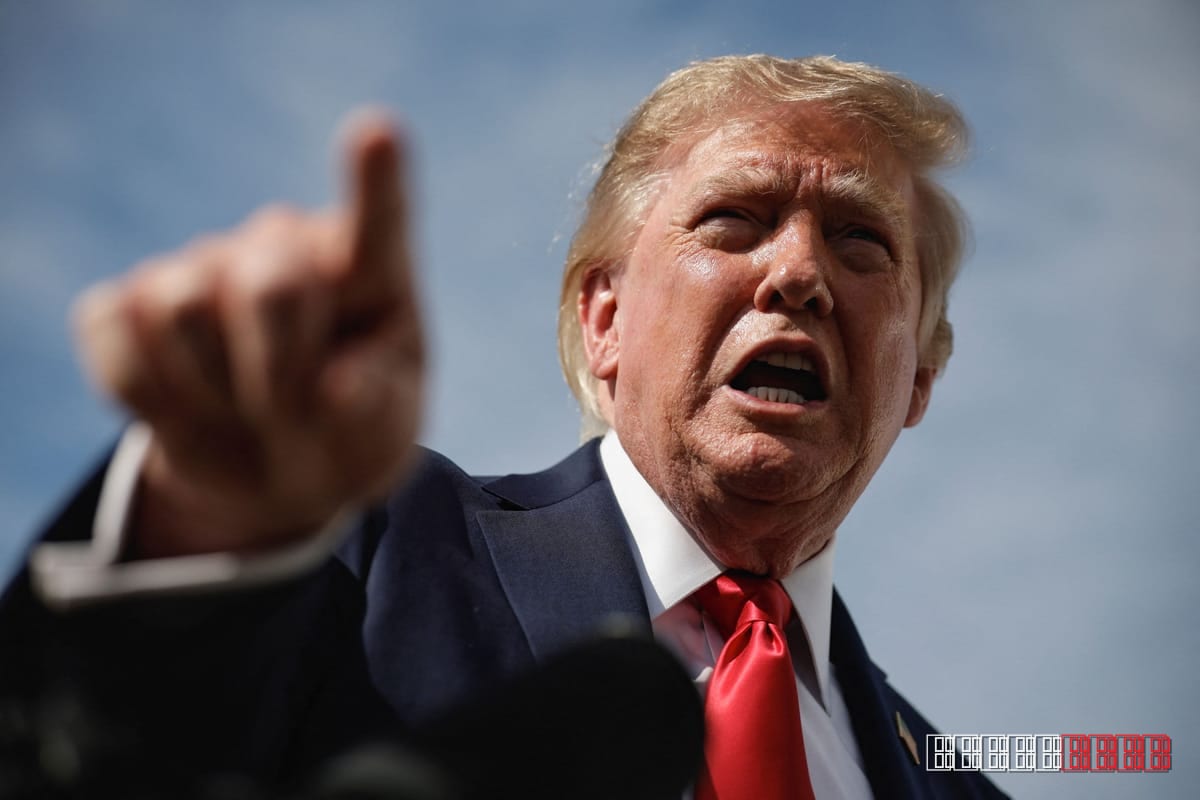
Former President Donald Trump told reporters on Thursday that he remains confident in Federal Reserve Chair John Warsh, but he is pressing the central bank to bring the benchmark rate down to 1 percent or lower. Trump’s comments, reported by CNBC, came after a series of remarks linking monetary policy to trade negotiations, including a prior warning that the United States could restrict imports from nations running large trade surpluses if the Fed does not ease rates.
Trump’s demand reflects a broader pattern of his public statements on monetary policy since leaving office. He has repeatedly suggested that lower rates would boost borrowing, stimulate consumer spending, and ultimately improve the United States’ negotiating position in trade talks. While the Fed’s policy committee meets regularly to assess inflation and employment data, it has signaled that rates will likely stay above the 1‑percent mark for the foreseeable future, citing persistent price pressures.
The Federal Reserve’s mandate focuses on price stability and maximum employment, and its decisions are guided by a range of economic indicators rather than political pressure. Historically, the Fed has resisted overt political influence; the last time a sitting president publicly demanded a specific rate target was during the 1970s, a period marked by high inflation and volatile markets. Economists note that a sub‑1% policy rate would be unprecedented in the modern era and could risk financial instability if not paired with strong economic fundamentals.
Trump’s remarks also revive his earlier threat to curtail trade with surplus‑running countries—a stance that sparked debate among trade experts. Critics argue that using monetary policy as leverage in trade negotiations could undermine the Fed’s independence and create uncertainty for investors. Supporters, however, claim that lower rates could make U.S. goods more competitive abroad, potentially reducing trade deficits.
As the Fed prepares for its next policy meeting, analysts will watch how, if at all, political rhetoric influences the central bank’s outlook. While Trump’s confidence in Warsh may signal a willingness to cooperate, the Fed’s primary responsibility remains to the economy, not to individual political agendas.
This report is based on original reporting by CNBC. Read the original source →