Fed's New Chair Kevin Warsh Accelerates Policy Shift Amid Pushback
Kevin Warsh’s early tenure at the Federal Reserve is marked by swift policy moves and hints that additional rate hikes could still be on the table, despite growing dissent within the board.
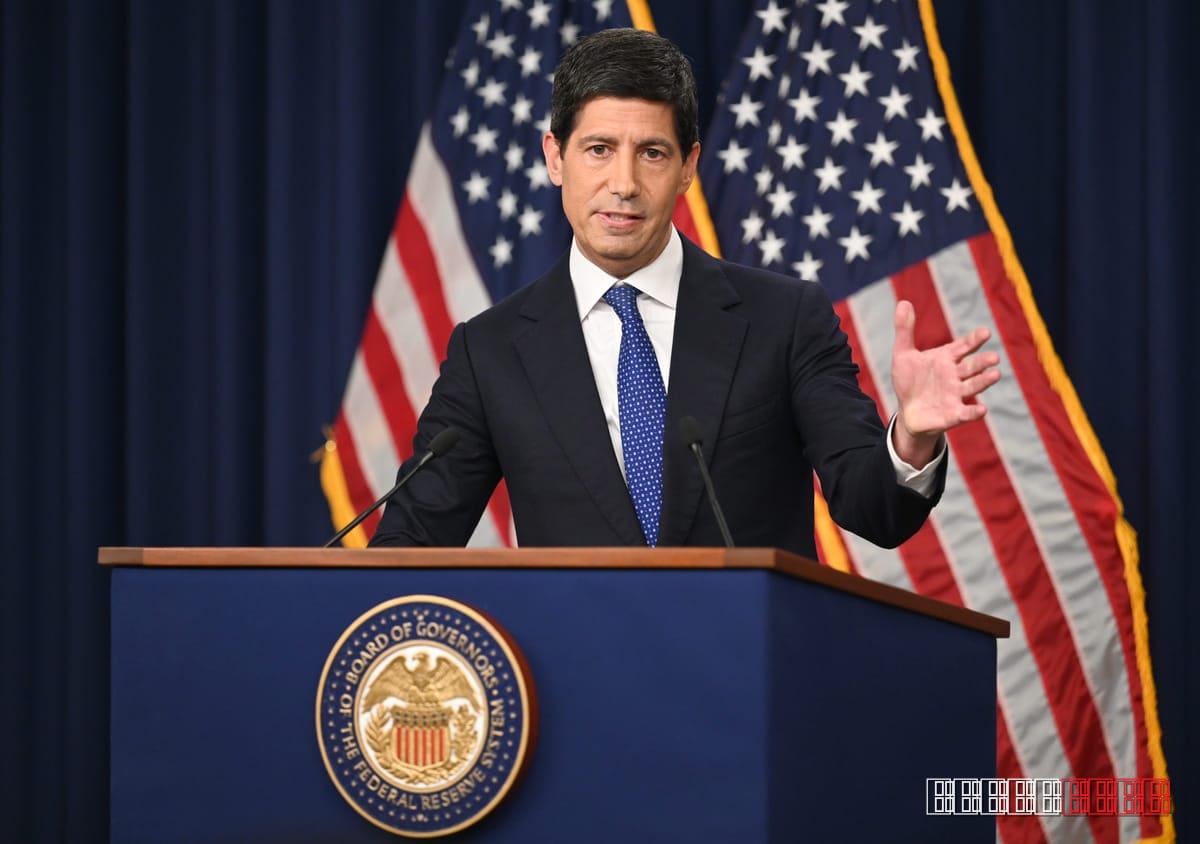
Kevin Warsh, who took the helm of the Federal Reserve this year, has already set a brisk pace for policy change, according to CNBC. Within weeks of assuming the chairmanship, Warsh signaled that the central bank’s balance‑sheet reduction would speed up and that the current trajectory of interest‑rate hikes remained under consideration. The new direction marks a departure from the more gradual tightening approach favored by his predecessor, Jerome Powell.
Warsh’s emerging framework, as reported by CNBC, suggests the Fed could still raise rates beyond the current 5.25‑5.50% range if inflation data fails to show sustained moderation. He has emphasized that “the job is not done” and that the Fed must remain vigilant against any back‑sliding in price stability. However, his assertive stance has encountered resistance from several board members who argue that the economy is showing signs of slowing and that further tightening could jeopardize a fragile recovery.
The internal friction is not unusual. The Federal Reserve’s policy decisions are made by a seven‑member Federal Open Market Committee (FOMC), where each vote can sway the final outcome. Historically, periods of rapid rate hikes have been followed by market volatility, as investors adjust to tighter financing conditions. Warsh’s push for a more aggressive stance arrives at a time when consumer spending is cooling and the labor market is beginning to lose momentum, factors that typically temper the appetite for additional hikes.
Warsh’s background as a former Treasury official and a long‑time economist at the Fed gives him a reputation for data‑driven decision‑making. Yet his willingness to challenge the status quo reflects a broader debate within the central banking community about the optimal speed of monetary normalization after years of ultra‑low rates and massive asset purchases. The outcome of this debate will shape borrowing costs for households and businesses across the United States and could influence global capital flows.
Market participants are watching closely for any signals from Warsh’s next public remarks or the upcoming FOMC minutes. A clear indication that the Fed will pause or continue raising rates could move bond yields, equity valuations, and the dollar’s exchange rate. For now, the Fed’s path remains uncertain, with Warsh’s agenda testing the limits of consensus within the nation’s most powerful monetary institution.
This report is based on original reporting by CNBC. Read the original source →