Floods cripple Nepal's health services, leaving patients vulnerable
Severe monsoon flooding in Nepal has damaged seven health facilities, halted routine care and sparked a mental‑health crisis, NPR reports.
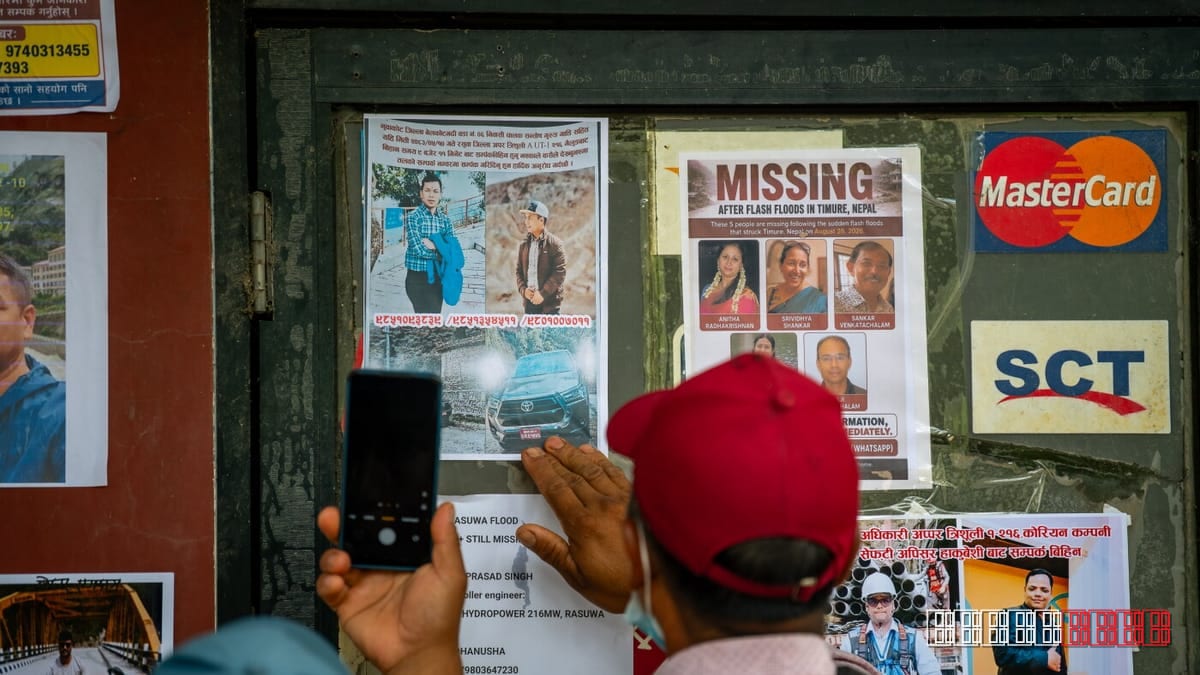
Severe monsoon rains have turned Nepal’s central valleys into a disaster zone, with floodwaters sweeping away infrastructure and leaving communities cut off from essential medical care. NPR reported that seven health facilities were either damaged or completely destroyed, forcing the suspension of regular outpatient services and jeopardizing treatment for chronic illnesses.
The disruption extends beyond physical injuries. Health workers on the ground say that the trauma of losing homes and livelihoods is manifesting as a surge in anxiety, depression and post‑traumatic stress among flood‑affected residents. Mental‑health counselors, already scarce in the mountainous nation, are now overwhelmed by the growing demand for support.
Officials acknowledge that the country’s health system was ill‑prepared for a disaster of this magnitude. Many clinics lack flood‑resistant construction, and emergency response plans are still in early stages of development. The loss of equipment and medicines from the damaged sites further strains an already fragile supply chain.
Background context
Monsoon flooding is a recurring threat in Nepal, but climate‑change‑driven intensification has increased both the frequency and severity of such events in recent years. The 2023 floods, for example, displaced over 200,000 people and exposed gaps in disaster preparedness across sectors. Health infrastructure in rural districts often relies on limited government funding and international aid, leaving it vulnerable to natural hazards. When facilities are knocked out, patients must travel longer distances on foot or by precarious mountain roads, which can be fatal for those with urgent needs.
Humanitarian agencies have begun mobilising temporary clinics and mental‑health outreach teams, but logistical challenges and funding shortfalls limit their reach. The World Health Organization has urged Nepal to integrate climate resilience into its health planning, emphasizing the need for flood‑proof buildings and stockpiles of essential medicines.
As the waters recede, the focus will shift to rebuilding and reinforcing health services to withstand future floods. For now, Nepalese families face a dual battle: recovering from physical loss while coping with the invisible wounds of trauma.
This report is based on original reporting by NPR. Read the original source →