France plans up to €20 levy per ultra‑fast fashion item by 2030
The French government aims to curb waste by taxing cheap, quickly produced garments from platforms like Shein and Temu.
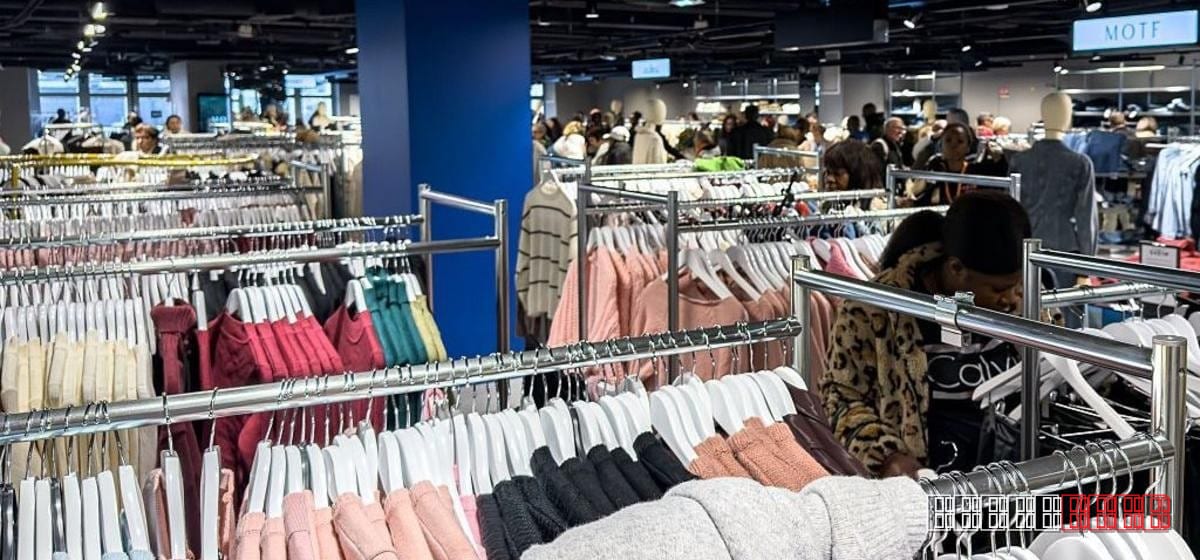
Paris is set to introduce a new environmental levy on "ultra‑fast fashion" that could rise to nearly €20 per garment by the end of the decade, according to BBC News. The measure targets low‑cost online retailers such as Shein and Temu, whose business models rely on rapid turnover of cheap clothing and have drawn criticism for generating large volumes of textile waste.
The proposed tax would be calculated on the price of each item, with higher rates applied to products made from synthetic fibres that are harder to recycle. French officials say the fee is designed to internalise the hidden environmental costs of fast‑fashion supply chains, encouraging consumers to choose more durable alternatives.
If approved, the levy would join a suite of recent French initiatives aimed at reducing the climate impact of the apparel sector. In 2022, France introduced a broader clothing tax that applied a flat rate to all garments, but critics argued it did not differentiate between high‑impact fast‑fashion pieces and higher‑quality items. The new tiered approach seeks to address that shortfall by focusing on the most polluting segments of the market.
The policy emerges amid growing European scrutiny of textile waste. The EU’s Circular Economy Action Plan, adopted in 2020, calls for stricter reporting on garment lifecycles and incentives for recycling. France’s move could set a precedent for other member states, many of which are grappling with the surge in cheap imports that flood the market and strain waste‑management systems.
Industry observers note that while the levy may raise prices for consumers, it could also spur innovation among retailers. Brands might invest more in sustainable materials, longer‑lasting designs, or take‑back schemes to meet the new cost structure. For shoppers, the change could translate into higher upfront costs but potentially lower long‑term expenses if garments last longer.
The French parliament is expected to debate the proposal in the coming weeks, with implementation slated for 2025 if passed. Stakeholders from environmental NGOs to consumer groups will be watching closely, as the outcome may shape the future of ultra‑fast fashion across Europe.
This report is based on original reporting by BBC News. Read the original source →