Iran suspends Baghdad and Muscat flights as US sanctions approach
Airlines halt services while Tehran negotiates with Iraq and Oman amid looming US aviation restrictions.
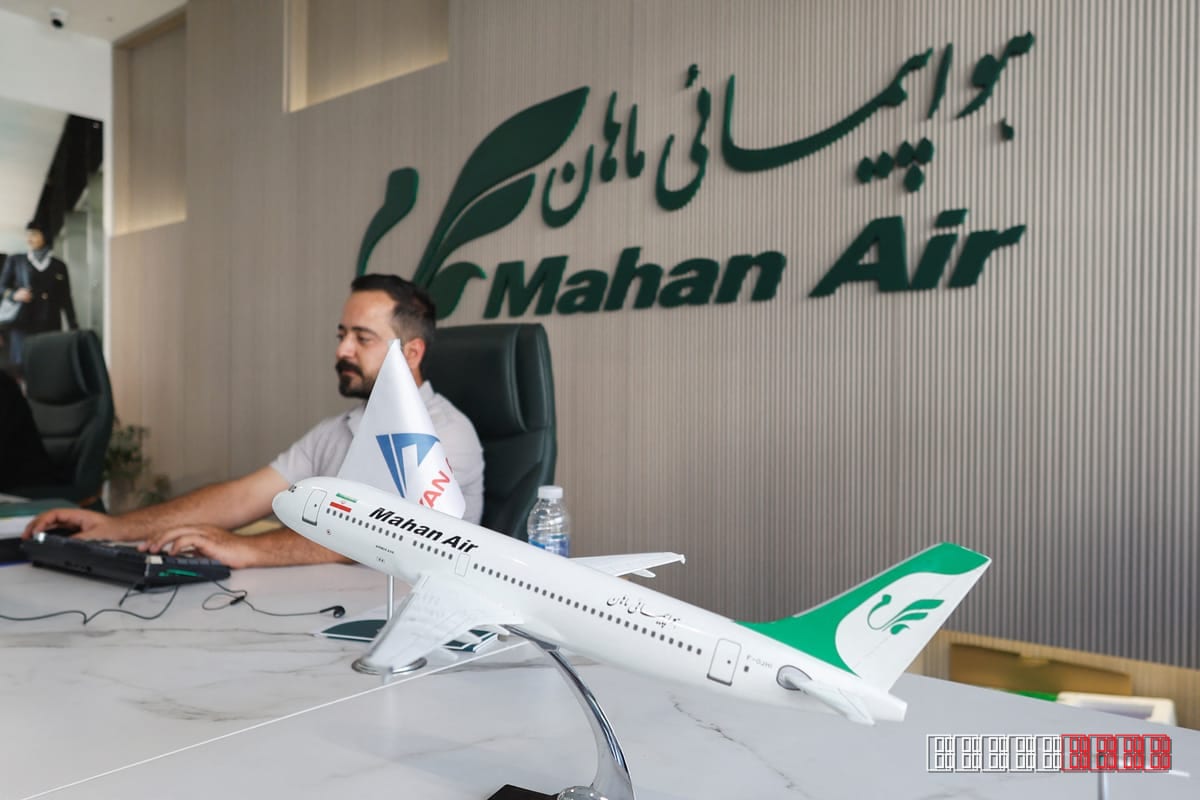
Iran’s civil aviation authority announced the abrupt suspension of scheduled flights to Baghdad and Muscat, a move that comes as Washington prepares to extend its Bessent sanctions programme to Iranian carriers. Al Jazeera reported that officials in Tehran are now in talks with their counterparts in Iraq and Oman to mitigate the disruption and explore alternative arrangements.
The decision follows a series of diplomatic warnings from the United States, which has signalled that airlines operating in or out of Iran could face secondary sanctions if they do not comply with new security and non‑proliferation standards. The Bessent framework, introduced last year, targets airlines deemed to be facilitating the transfer of prohibited technology or financing activities linked to Iran’s regional conflicts. According to Al Jazeera, the sanctions are set to take effect roughly seven months after the start of the current regional tensions.
In response, Iran’s aviation ministry has opened negotiations with Iraq’s and Oman’s transport ministries, seeking to secure exemptions or at least a coordinated schedule that would minimise passenger inconvenience. Sources familiar with the talks said both Baghdad and Muscat are willing to discuss temporary flight corridors or charter arrangements, but concrete agreements are still pending.
The suspension is expected to affect thousands of travelers, particularly business commuters and pilgrims who rely on the relatively short routes between Tehran, Baghdad and Muscat. Regional airlines have already begun rerouting passengers through alternative hubs such as Dubai and Doha, which could increase travel costs and lengthen journey times. The move also underscores the broader economic pressure the United States is applying to Iran’s aviation sector, which has struggled with aging fleets and limited access to spare parts due to earlier sanctions.
Historically, US sanctions have been a powerful lever in shaping Iran’s foreign policy, especially in the aviation domain where restrictions on parts and financing have forced airlines to operate older aircraft and limit route expansion. The current escalation reflects a pattern where diplomatic disputes translate into commercial constraints, prompting neighboring states to adjust their own air service agreements. Observers note that the outcome of Iran’s negotiations with Iraq and Oman could set a precedent for how regional partners manage US‑led sanctions in the future.
If the talks succeed, a limited resumption of service may be possible under a special licensing regime. Otherwise, the suspension could persist, further isolating Iran’s air network and reinforcing the United States’ strategy of using economic tools to influence regional dynamics.
This report is based on original reporting by Al Jazeera. Read the original source →