Japanese 10-year JGB yield climbs to three‑decade peak amid US Treasury rally
The yield on Japan's benchmark 10‑year government bond surged to its highest level in 30 years as Treasury yields spiked, CNBC reported.
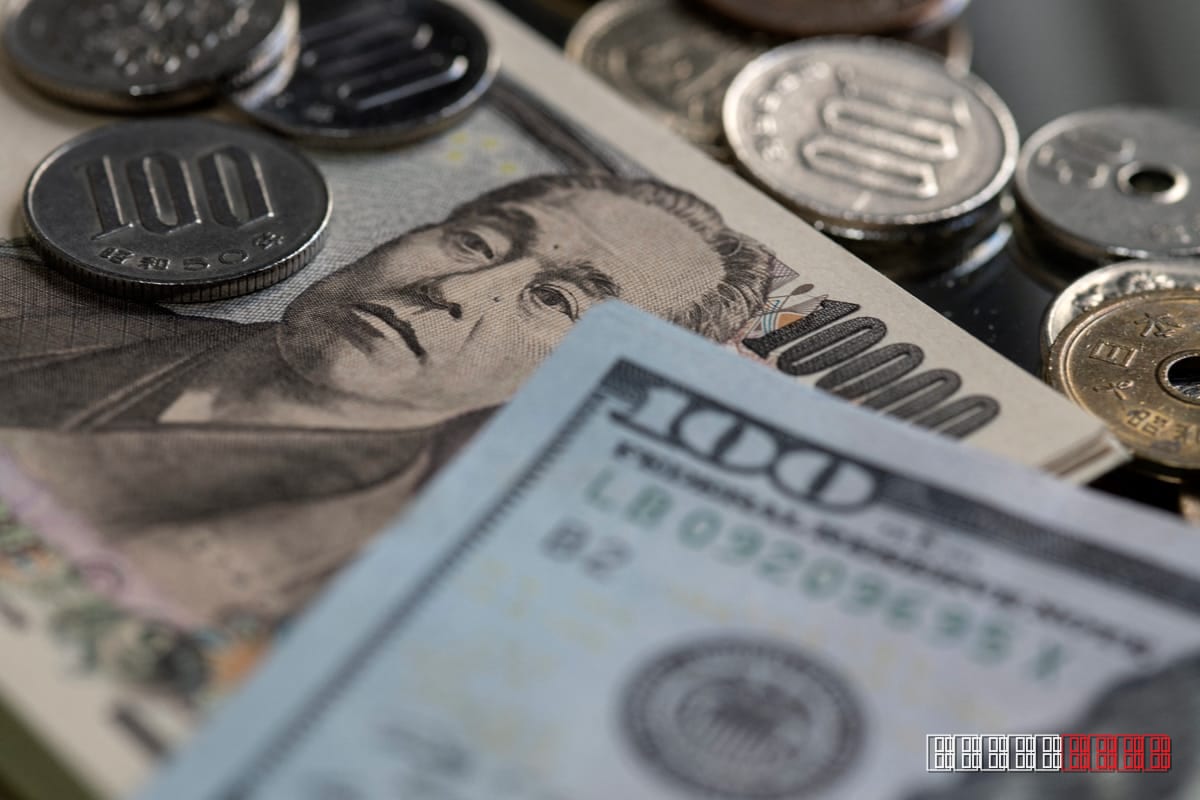
Japanese investors saw the yield on the 10‑year government bond rise to a level not reached since the mid‑1990s on Thursday, marking a three‑decade high, CNBC reported. The jump came in tandem with a sharp increase in U.S. Treasury yields, which have been climbing after a series of policy‑driven rate hikes.
The surge in Treasury yields triggered a broad sell‑off in global bond markets, prompting Japanese bond traders to adjust positions. According to CNBC, the heightened demand for higher‑yielding U.S. securities pushed investors to reassess the relative attractiveness of Japan’s ultra‑low‑rate environment, leading to the sell‑off in JGBs.
Japan’s bond market has long been defined by the Bank of Japan’s yield‑curve control (YCC) policy, which caps the 10‑year JGB yield near zero to stimulate borrowing and keep financing costs low. Over the past year, however, the central bank has begun to unwind parts of that framework, allowing yields to drift higher. The recent spike reflects both the BOJ’s gradual policy shift and the spill‑over effect of rising global rates.
Historically, Japanese yields have lagged behind U.S. rates because the yen is a safe‑haven currency and Japan’s massive public debt is serviced at low cost. When Treasury yields climb, foreign investors often rotate out of Japanese bonds, seeking better returns elsewhere. This dynamic can raise the cost of government borrowing and pressure the BOJ’s monetary stance, especially as the country grapples with an aging population and the need to fund pension liabilities.
Analysts caution that the current trajectory may signal a new normal for Japanese yields, albeit still modest compared with Western counterparts. Persistent high U.S. rates could keep pressure on the yen and JGB prices, prompting the BOJ to consider further adjustments to its YCC policy. Market participants will watch upcoming policy meetings closely, as any shift could influence global capital flows and the cost of financing for Japanese corporations and households.
This report is based on original reporting by CNBC. Read the original source →