Middle East conflicts drive cost‑of‑living squeeze for 2 billion South Asians
Rising prices linked to wars in the Middle East are tightening household budgets across India, Pakistan, Bangladesh and the wider South Asian region.
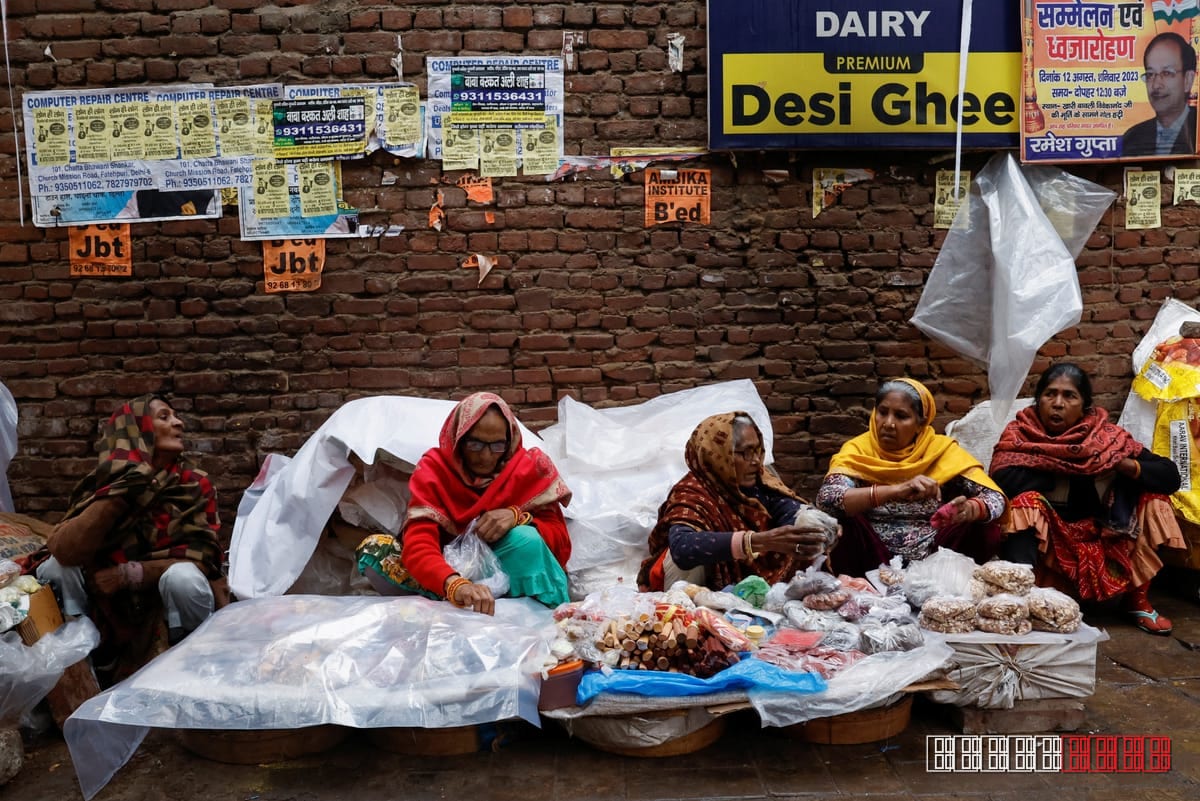
The ripple effects of fighting in the Middle East are being felt far beyond the region, with Al Jazeera reporting that a quarter of the world’s population now confronts a steepening cost‑of‑living crisis. In South Asia, an estimated two billion people are grappling with higher food, fuel and transport prices that stem largely from the ongoing hostilities.
Fuel markets have been especially volatile after sanctions on Iran and disruptions to oil shipments through the Strait of Hormuz. The resulting price hikes have filtered through to gasoline and diesel costs in India, Pakistan and Bangladesh, where transport accounts for a sizable share of household expenditures. At the same time, grain supplies have been squeezed as the war in Ukraine – a major wheat exporter – continues to limit global availability, pushing staple prices upward across the subcontinent.
For many families, the surge in basic costs translates into difficult trade‑offs. A recent survey cited by Al Jazeera found that more than 60 % of South Asian households have reduced spending on education and health to afford food. Remittances from the Gulf, which traditionally cushion local economies, have also dwindled as expatriate workers face job cuts and wage freezes amid regional instability.
The situation is not new. South Asia has historically been vulnerable to external shocks because a large share of its food imports and energy needs are tied to global markets. What distinguishes the current wave is the simultaneous convergence of multiple crises – the Israel‑Hamas conflict, Iran‑U.S. tensions and the lingering fallout from the Ukraine war – creating a perfect storm that amplifies price pressures.
Governments in the region have responded with a mix of subsidies, price caps and targeted cash transfers, but fiscal space is limited. Analysts warn that without coordinated international action to stabilize commodity markets, the cost‑of‑living squeeze could deepen, potentially sparking social unrest in densely populated urban centers.
The broader implication is clear: wars fought far from South Asian borders are reshaping everyday life for billions, underscoring how interconnected the global economy has become and how distant conflicts can become domestic emergencies.
This report is based on original reporting by Al Jazeera. Read the original source →