Modi, Putin and Iranian envoy call for local‑currency trade as US sanctions tighten
India’s prime minister, Russia’s president and an Iranian official urged a shift to alternative payment systems in a joint message to President Trump.
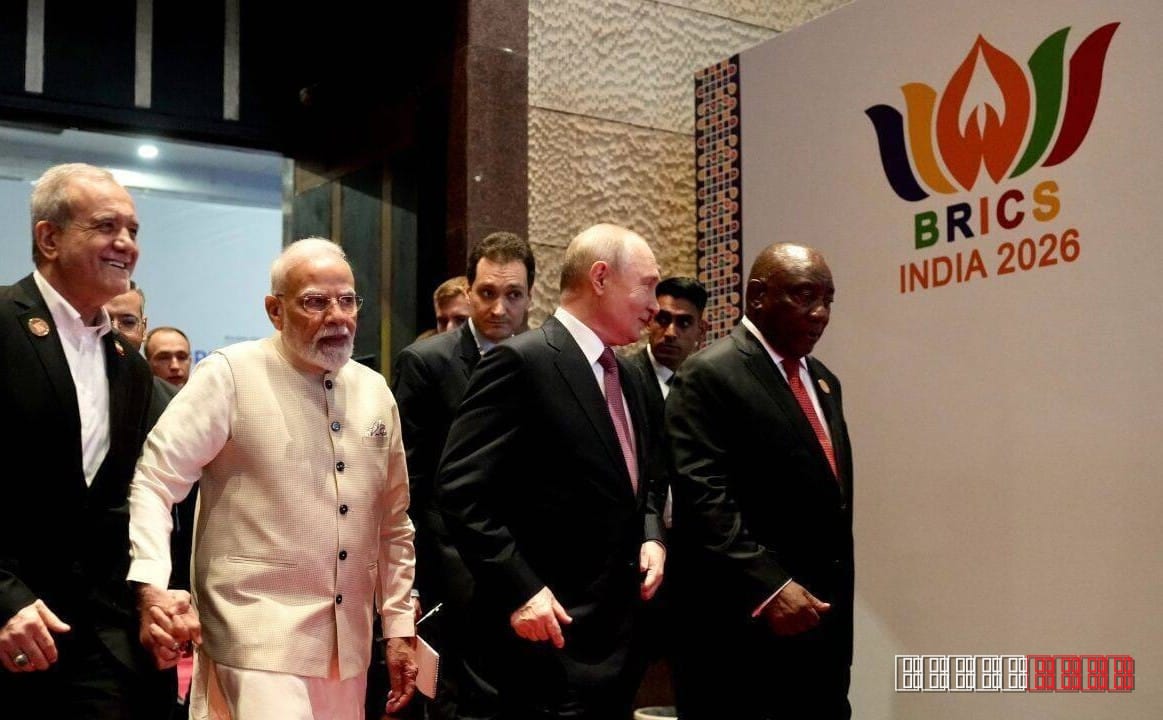
The Times of India reported that Prime Minister Narendra Modi, President Vladimir Putin and Iranian parliamentary speaker Mohammad Reza Pezeshkian have collectively signaled a willingness to expand the use of local currencies in bilateral trade, a move seen as a subtle rebuke to U.S. sanctions (Times of India). The three leaders, speaking at separate forums, highlighted the growing importance of non‑dollar settlements to safeguard economic ties from external pressure.
Modi’s remarks, made during a recent economic summit in New Delhi, stressed that India is prepared to deepen trade with partners willing to transact in rupees, rubles or other sovereign currencies. He suggested that such arrangements could reduce transaction costs and shield Indian exporters from volatile foreign‑exchange markets. Putin, addressing a gathering of Russian business leaders, echoed the sentiment, noting that Russia has already signed multiple currency‑swap agreements with countries facing U.S. restrictions. Pezeshkian, speaking to an Iranian parliamentary committee, added that Iran is keen to broaden its trade network using the rial and other regional currencies.
The coordinated messaging is viewed as a diplomatic cue to President Donald Trump, whose administration has intensified sanctions on both Russia and Iran over geopolitical disputes. By promoting local‑currency trade, the trio aims to create a parallel financial infrastructure that could mitigate the impact of U.S. punitive measures.
Background: Since 2014, the United States has imposed a series of sanctions targeting Russia’s energy, finance and defense sectors, while Iran has faced restrictions related to its nuclear program and regional activities. Both nations have responded by seeking alternatives to the U.S. dollar, including bilateral swap lines and the development of payment platforms that bypass traditional correspondent banking. India, traditionally aligned with the West in trade, has increasingly explored strategic autonomy, especially as its own trade with Russia and Iran expands. The push for local currencies aligns with a broader global trend where emerging economies are reassessing reliance on the dollar amid geopolitical tensions.
Analysts note that while the shift to non‑dollar trade could bolster resilience, it also poses challenges such as exchange‑rate volatility and the need for robust regulatory frameworks. Nevertheless, the message from Modi, Putin and Pezeshkian underscores a growing consensus that diversified payment mechanisms are becoming a strategic priority in a sanctions‑laden world.
This report is based on original reporting by Times of India. Read the original source →