Pakistan ranks near bottom in World Economic Forum gender gap report
The latest WEF index shows Pakistan trailing most nations as women remain underrepresented in the labour market.
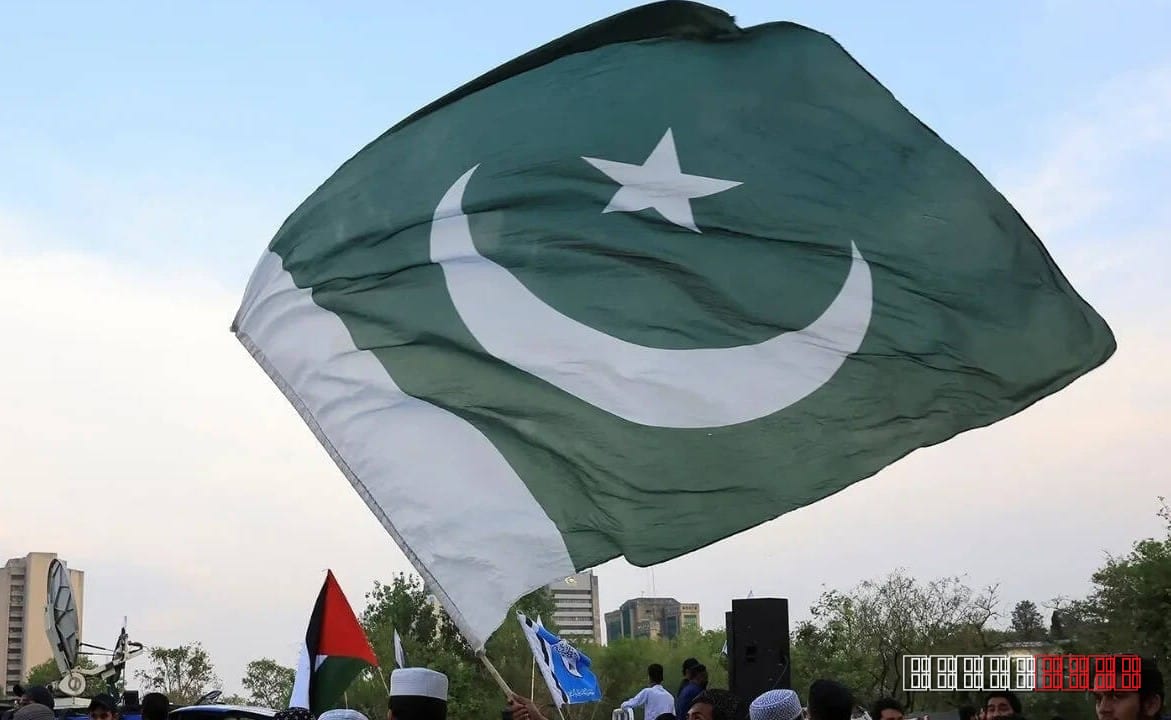
Pakistan has slipped to the third‑lowest position in the World Economic Forum’s Global Gender Gap Index, according to a report by the Times of India. The index, which measures disparities between men and women across health, education, economic participation and political empowerment, placed Pakistan just above Yemen and Iraq, highlighting a persistent gender gap in the country’s workforce.
The Times of India noted that women’s participation in paid employment is the main driver of the low score. While women constitute roughly half of the population, their share of the labour force hovers around 22 %, far below the global average of about 48 %. This mismatch translates into a sizeable economic loss, as the International Labour Organization estimates that closing the gender gap could add billions of dollars to Pakistan’s GDP.
The Global Gender Gap Index, launched in 2006, ranks 146 economies on a scale from 0 to 1, with 1 representing perfect parity. Scores are derived from four sub‑indexes: health and survival, education, economic participation, and political empowerment. Pakistan’s health and education scores are relatively higher, reflecting improvements in female school enrolment and life expectancy. However, its economic participation score remains among the poorest, driven by low labour‑force attachment, limited access to high‑skill jobs, and cultural barriers that restrict women’s mobility.
Regionally, Pakistan lags behind neighbours such as Bangladesh and Sri Lanka, which have made steady gains in female employment through targeted skill‑development programs and micro‑finance initiatives. In contrast, Pakistan’s policy response has been fragmented, with occasional incentives for women‑owned enterprises but limited enforcement of existing labour laws that protect female workers.
Experts argue that sustained progress will require a multi‑pronged approach: expanding affordable childcare, enforcing anti‑discrimination statutes, and promoting women’s entry into traditionally male‑dominated sectors like technology and manufacturing. Without such measures, the gender gap is likely to persist, constraining both social development and economic growth.
The latest ranking serves as a stark reminder that gender inequality remains a structural challenge for Pakistan. As the country prepares for upcoming elections, policymakers may face increased pressure to address the disparity, especially as international donors tie aid and investment to gender‑inclusive reforms.
This report is based on original reporting by Times of India. Read the original source →