Palestinian actors keep the stage alive amid Gaza’s siege
Artists in the enclave turn daily trauma into live drama, performing while enduring the same hardships they depict.
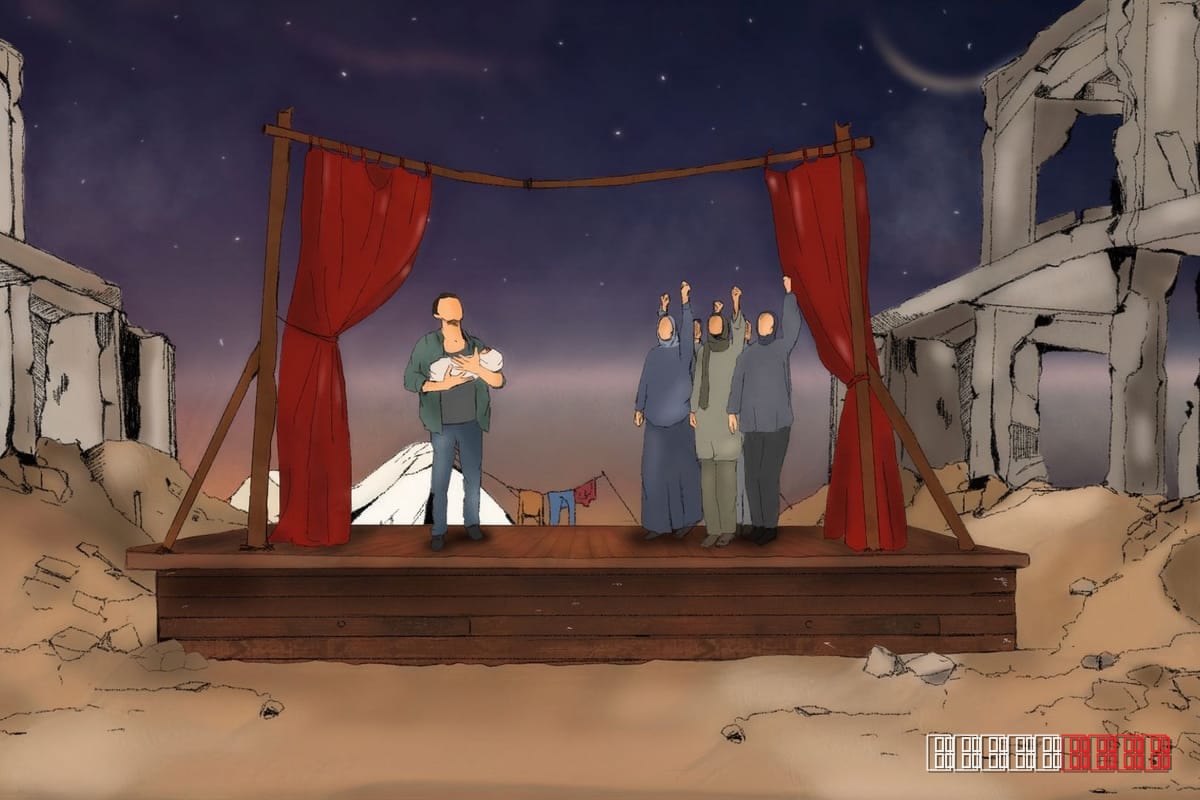
In the cramped streets of Gaza, a small troupe of Palestinian actors has turned their lived experience of war into a series of improvised performances. Al Jazeera reported that these performers weave stories of siege, loss and resilience into theatre, all while coping with the same scarcity of water, electricity and safety that their characters face on stage.
The productions are staged in makeshift spaces – schoolrooms, community centers and even the rooftops of bomb‑damaged buildings. Audiences sit on the floor, their eyes fixed on actors who recite lines that echo the headlines they read each morning. The actors say the act of performing is both a coping mechanism and a form of protest, allowing them to claim a narrative space that the conflict often denies them.
Gaza’s cultural scene has survived multiple wars and a blockade that began in 2007, which restricts the flow of goods, including artistic supplies. Historically, theatre has served as a subtle conduit for political expression in the Palestinian territories, from the early days of the Palestinian National Theatre in the 1970s to today’s underground groups. International NGOs have intermittently funded workshops, but funding is erratic and equipment is scarce, forcing artists to improvise with recycled materials and handwritten scripts.
The significance of these performances extends beyond entertainment. Psychologists note that communal storytelling can mitigate trauma, offering a shared outlet for grief. For residents, seeing their own struggles reflected on stage validates their suffering and reinforces a collective identity. Moreover, the actors’ willingness to rehearse under intermittent power cuts and the threat of air raids underscores the resilience of Gaza’s civil society.
Al Jazeera highlighted that while the actors dramatize the horrors of war, they also inject moments of humor and hope, reminding audiences that life persists despite the siege. Their work has attracted attention from foreign journalists and cultural observers, sparking discussions about the role of art in conflict zones and the importance of protecting cultural expression under international law.
As the humanitarian situation in Gaza remains precarious, the theatre community’s determination to keep the curtain up offers a poignant reminder: even in the darkest conditions, creativity can illuminate paths toward dignity and solidarity.
This report is based on original reporting by Al Jazeera. Read the original source →