Saudi output optimism pushes down oil prices despite new Houthi attacks
Market analysts say fresh hopes of increased Saudi crude flow are outweighing concerns from recent Houthi strikes in the Red Sea.
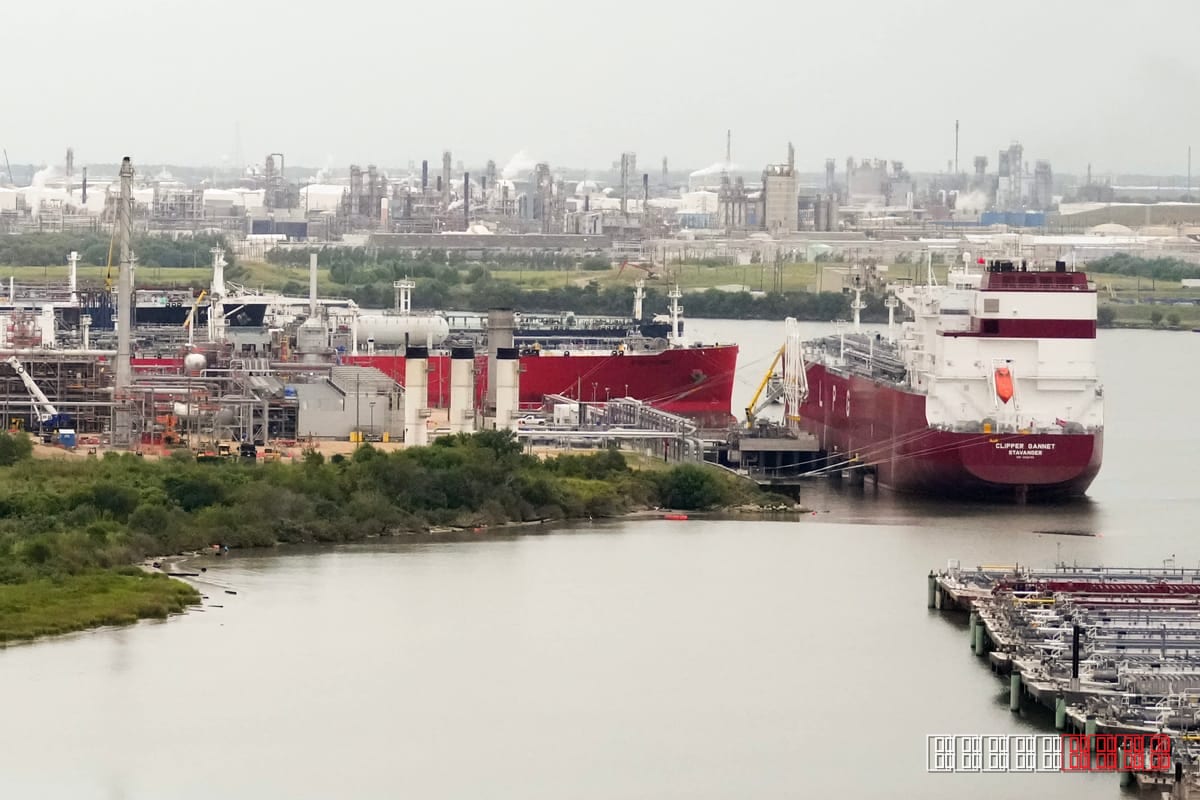
Oil prices slipped on Friday, with Brent and WTI futures easing after traders weighed the possibility of additional Saudi crude entering the market. CNBC reported that the price decline was driven by optimism that Saudi Arabia could boost supplies, a factor that helped calm fears of broader disruption.
The optimism stems from statements by Saudi officials indicating a willingness to raise output if global demand remains strong. While the kingdom has not announced a formal increase, its signals are enough to reassure investors that the world's largest oil exporter may offset supply shocks elsewhere. The market response suggests that even tentative supply cues from Riyadh can shift sentiment quickly.
At the same time, the Red Sea remains a flashpoint. Houthi rebels have launched a fresh series of missile and drone attacks targeting commercial vessels, raising alarms about potential interruptions to oil shipments that pass through the narrow waterway. Although the attacks have not yet directly hit tankers carrying Saudi crude, the threat adds a layer of uncertainty that keeps some traders cautious.
Historically, Saudi Arabia's production decisions have been a key driver of global oil prices. As a leading member of OPEC+, the kingdom can adjust output to balance the market, a tool it has used repeatedly during periods of volatility. The current situation mirrors past episodes where supply assurances from Saudi Arabia have mitigated the impact of geopolitical risks, such as piracy off Somalia or earlier Houthi strikes that disrupted shipping lanes.
Looking ahead, analysts expect the market to monitor two variables closely: any concrete commitment from Saudi Arabia to raise output, and the intensity of Houthi operations in the Red Sea. If Riyadh confirms higher shipments, the price dip could deepen. Conversely, an escalation in attacks that threatens shipping routes could quickly reverse the trend, pushing Brent and WTI back up.
For U.S. refiners and consumers, the immediate effect is a modest easing of gasoline and diesel price pressures, though the broader outlook remains tied to how swiftly Saudi supply can be scaled and whether the Red Sea remains secure.
This report is based on original reporting by CNBC. Read the original source →