Series of Female Homicides Stokes Nationwide Anxiety in South Africa
Recent murders of nine women, including Dineo Motapane, have intensified public fear over the country’s gender‑based violence crisis.
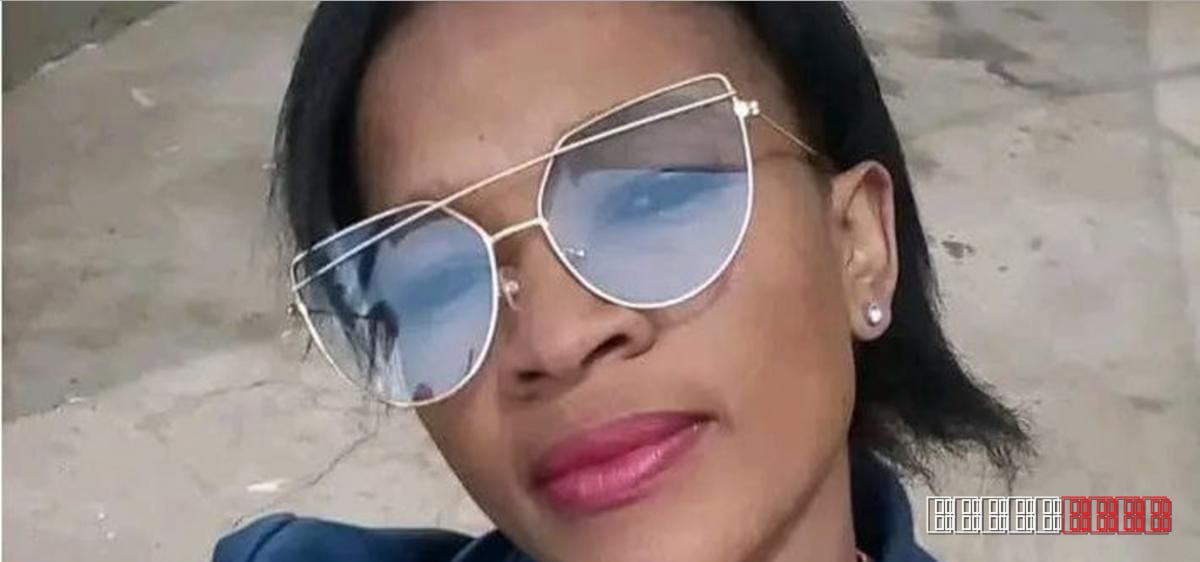
BBC News reported that Dineo Motapane is among nine women whose bodies were discovered under grim circumstances in recent weeks, a pattern that has left South Africans deeply unsettled. The victims, all aged between their early twenties and late thirties, were found in various townships and suburban areas, prompting community leaders to call for urgent action.
The latest investigations reveal that the killings share common elements: the women were known to have been involved in informal work, and many were last seen leaving home at night. While police have not yet confirmed a single perpetrator or motive, the clustering of cases has raised concerns about a possible serial element or a surge in opportunistic attacks targeting vulnerable women.
South Africa has long grappled with high rates of gender‑based violence. According to the 2022 Gender Violence Report, the nation records roughly 1,500 femicides each year, a figure that places it among the world’s most dangerous places for women. The problem is rooted in a mix of socioeconomic inequality, cultural attitudes that condone male dominance, and a criminal justice system that struggles with backlogs and low conviction rates for gender‑based crimes.
Public outrage has manifested in weekly vigils and protests across major cities such as Johannesburg, Cape Town, and Durban. Activists demand stricter enforcement of existing laws, faster judicial processes, and comprehensive support services for survivors. The government, under pressure, has pledged to allocate additional funding to the National Prosecuting Authority and to expand community policing units, though critics argue that implementation has been slow.
Experts warn that without a coordinated, multi‑sector response, the cycle of violence is likely to persist. Dr. Lindiwe Mkhize, a sociologist at the University of Pretoria, notes that “addressing femicide requires not only stronger law enforcement but also education, economic empowerment, and cultural change.” The recent spate of murders, therefore, is not an isolated crime wave but a symptom of deeper systemic failures.
As families mourn and the nation watches, the hope remains that heightened awareness will translate into concrete reforms. For now, the memory of Dineo Motapane and the other eight women serves as a stark reminder of the urgent need to protect women’s lives across South Africa.
This report is based on original reporting by BBC News. Read the original source →