Supreme Court trims NEET‑SS cutoff, restores 40 medical seats to Tamil Nadu
The apex court lowered the qualifying percentile for the special stray vacancy round to 30%, letting Tamil Nadu reclaim 40 in‑service seats.
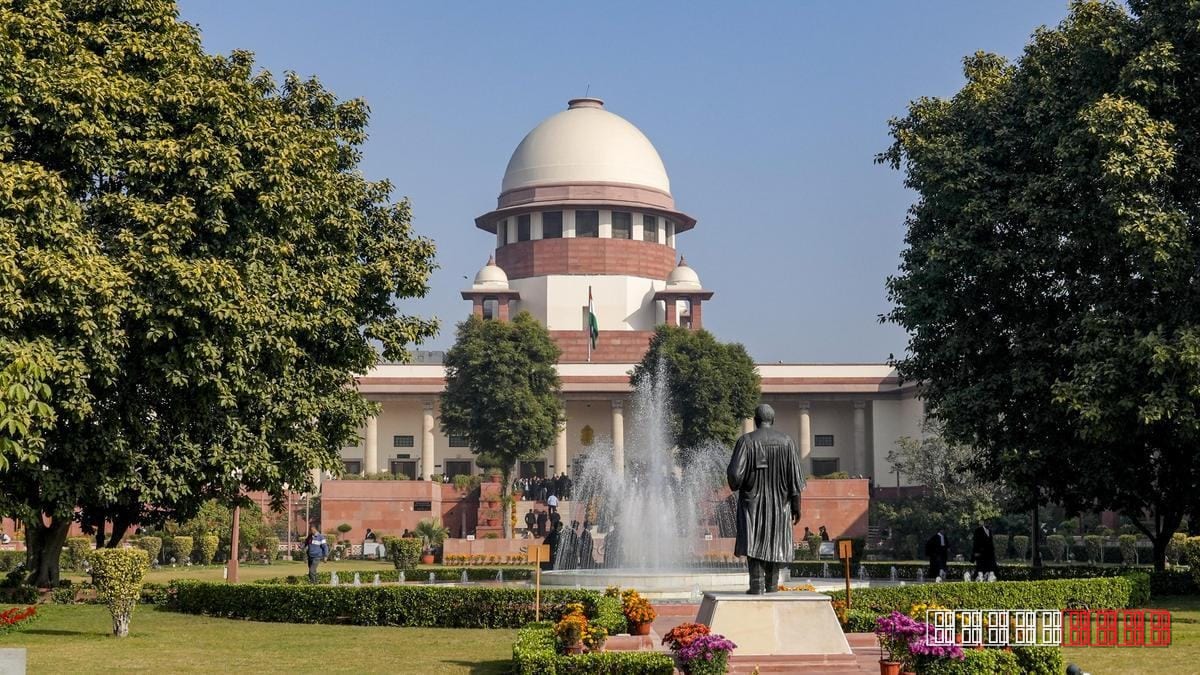
The Supreme Court has ordered a reduction in the qualifying percentile for the NEET‑SS special stray vacancy round, bringing it down from 50% to 30%. According to The Hindu, the decision means that 40 in‑service seats that had remained vacant in Tamil Nadu will now be filled, easing the state's long‑standing shortfall of medical seats.
The change applies only to the current stray vacancy round, a mechanism used when allotted seats go unfilled after the regular counselling process. By lowering the cutoff, more candidates become eligible to compete for the remaining positions, which the court said is necessary to ensure that the vacancy does not go wasted.
Tamil Nadu has historically faced a mismatch between the number of seats allotted to it under the All‑India Quota and the actual demand from local aspirants. The state’s medical colleges often report that a sizable share of seats remain empty after the primary round, prompting the central government to invoke the stray vacancy provision. The Supreme Court’s intervention follows petitions arguing that the previous 50% threshold was excessively stringent, especially in a year when the pandemic disrupted preparation for many students.
NEET‑SS (National Eligibility cum Entrance Test for Super‑Speciality) is the gateway exam for postgraduate medical courses across India. The qualifying percentile determines who can apply for the limited stray vacancies that arise when candidates withdraw or are deemed ineligible. A higher cutoff narrows the pool, while a lower one expands it, directly affecting the number of doctors that can be trained in high‑need specialties.
Legal experts note that the court’s order reflects a broader trend of judicial oversight in India's education sector, where courts have stepped in to correct perceived imbalances in seat allocation and admission criteria. The decision is expected to have a ripple effect, prompting other states with similar vacancy issues to seek similar relief.
For Tamil Nadu, the restoration of 40 seats could translate into dozens of additional medical graduates, potentially easing the doctor‑to‑population ratio in a region that has struggled with healthcare access. The move also underscores the importance of flexible admission policies that can adapt to unexpected disruptions, ensuring that the country's medical education pipeline remains robust.
This report is based on original reporting by The Hindu. Read the original source →