Trade Truce Between U.S. and China Gains Two‑Month Extension Ahead of Xi’s Visit
The temporary agreement that was due to lapse in November now runs until Jan. 10, giving both sides extra time to meet pending commitments, CNBC reports.
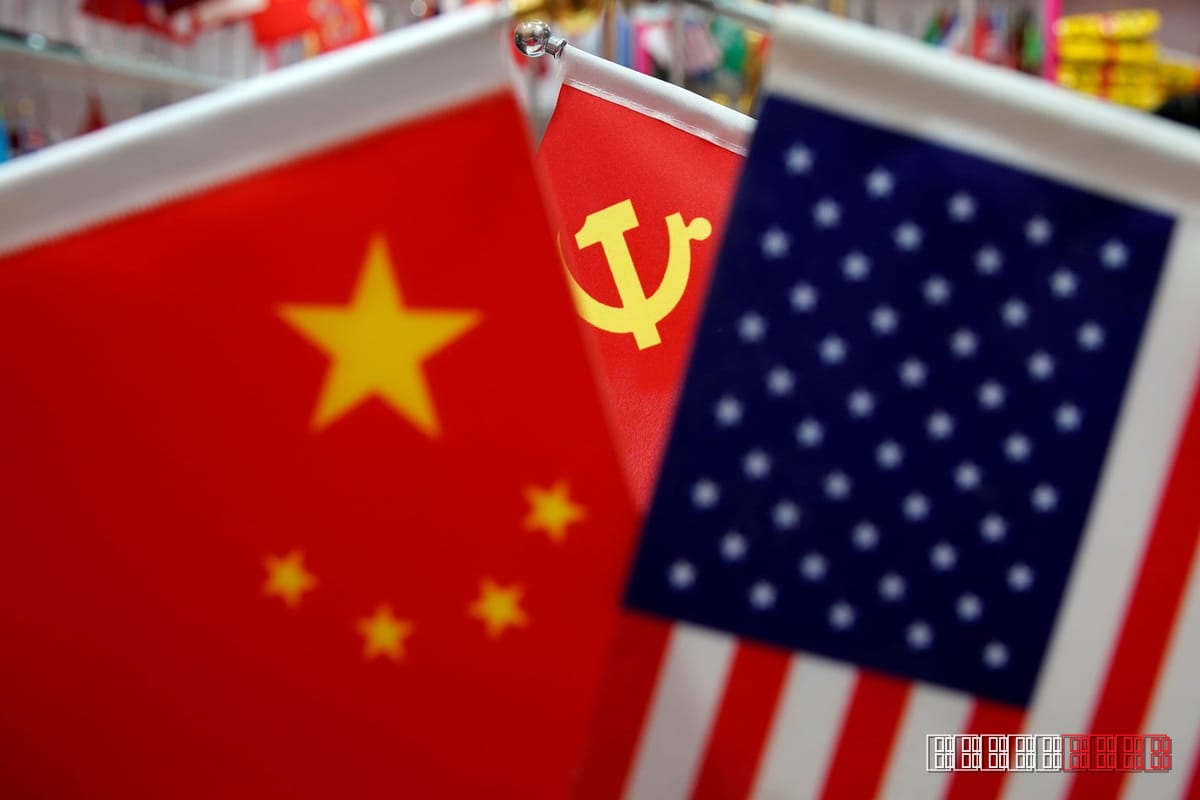
The United States and China have agreed to prolong their provisional trade truce by an additional two months, pushing the deadline from November to Jan. 10, 2027. The extension was announced by Treasury official Michael Bessent, who said Beijing must still satisfy a series of deliverables before the agreement can become permanent, according to CNBC.
The timing coincides with Chinese President Xi Jinping’s upcoming state visit to Washington, a diplomatic milestone that has been closely watched by markets and policymakers alike. By extending the truce, both governments aim to avoid a sudden disruption to supply chains and to keep the negotiation table open while high‑level talks continue.
The original truce, brokered in early 2026, was intended as a stop‑gap measure after a series of tariffs and export controls threatened to deepen the economic rift between the two largest economies. It allowed certain agricultural products, rare earths, and technology components to flow with reduced restrictions, while each side compiled a list of compliance steps. Failure to meet those steps could have triggered a rapid escalation of trade barriers, a scenario both Washington and Beijing have been keen to sidestep.
Historically, U.S.-China trade relations have swung between cooperation and confrontation. The 2018‑19 tariff war, for example, saw duties exceeding $300 billion, prompting firms to shift production and consumers to face higher prices. The current truce reflects a pragmatic shift: both capitals recognize that a full‑scale conflict would hurt global growth, especially as the world grapples with post‑pandemic recovery and geopolitical uncertainties.
Analysts note that the extension provides a narrow window for Beijing to demonstrate progress on issues such as intellectual‑property protections and market access for U.S. firms. Should China fall short, the United States may consider reinstating stricter measures, potentially reigniting tensions. Conversely, a successful fulfillment of the deliverables could pave the way for a more durable framework, influencing trade policy across the Asia‑Pacific region.
The next steps will likely involve detailed negotiations during Xi’s state visit, where senior officials from both sides are expected to outline a roadmap for a longer‑term arrangement. For now, the two‑month extension offers a brief period of stability, buying time for both economies to navigate the complex terrain of strategic competition and interdependence.
This report is based on original reporting by CNBC. Read the original source →