Trump aims to rename AI ahead of China talks, dismisses global regulation plan
The president plans to recast artificial intelligence as "super intelligence" before meeting Xi Jinping, while rejecting an international regulatory framework.
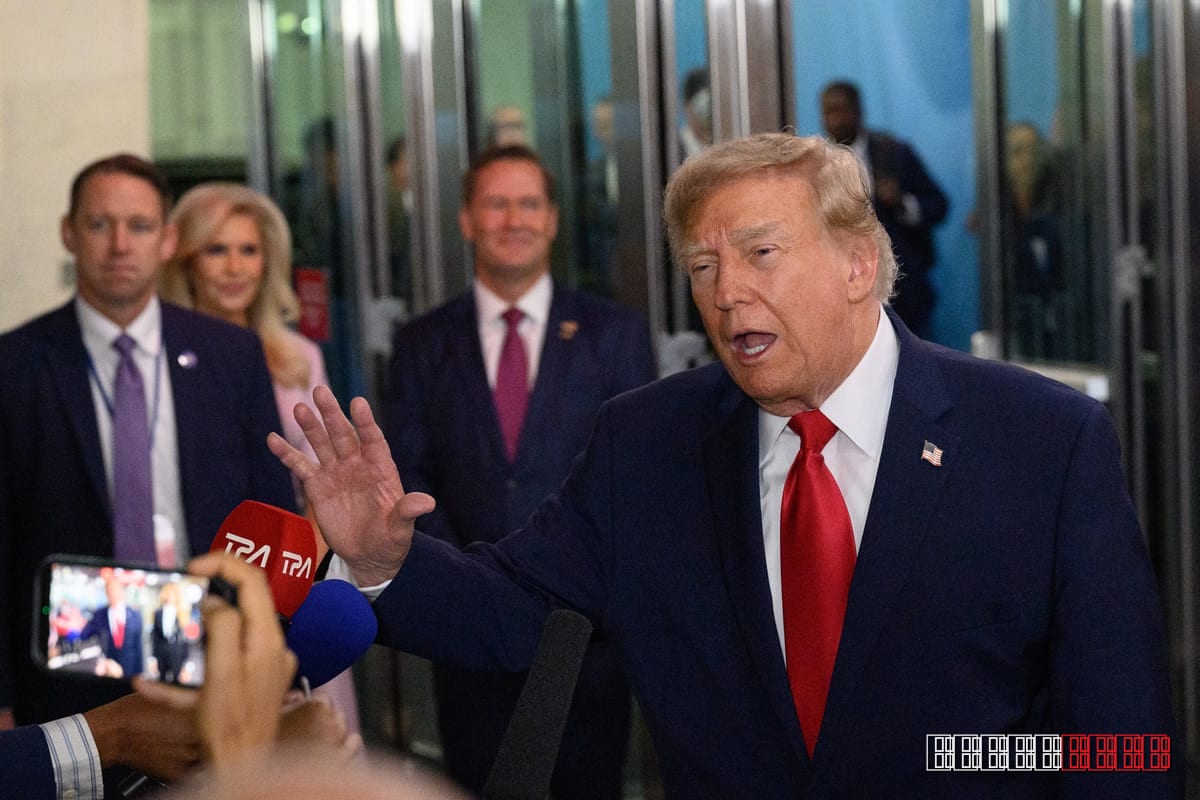
President Donald Trump is set to rebrand artificial intelligence as “super intelligence” in the run‑up to his high‑profile meeting with Chinese President Xi Jinping, CNBC reported. The move comes as Trump publicly denounced what he called a “globalist scheme” to impose worldwide rules on the emerging technology, framing the proposal as an attempt to curb U.S. innovation.
In a recent interview, Trump argued that the term “artificial intelligence” carries negative connotations that could hinder public acceptance and commercial adoption. By relabeling the technology, he hopes to position the United States as a leader in a new era of “super intelligence,” a phrase he believes will resonate more positively with both voters and industry executives. The rebranding effort is expected to feature in the agenda of the upcoming summit with Xi, where the two leaders will discuss trade, security, and technology cooperation.
The president’s stance on regulation diverges sharply from the approach favored by many Western governments and multilateral bodies. Over the past year, the European Union, the United Kingdom, and several Asian nations have drafted frameworks aimed at ensuring AI systems are transparent, accountable, and safe. Critics argue that a coordinated global standard is essential to prevent misuse, protect privacy, and maintain competitive fairness. Trump’s rejection of such a framework underscores his broader skepticism of multinational agreements that he believes could disadvantage American firms.
Background: The United States and China are locked in a strategic competition for dominance in AI, a sector projected to generate trillions of dollars in economic value. Both countries have poured billions into research, talent development, and commercial deployment. Past administrations have oscillated between cooperation—such as joint research initiatives—and confrontation, especially over concerns about intellectual property theft and national security. Trump’s rebranding effort and regulatory opposition signal a shift toward a more unilateral, America‑first narrative, echoing his earlier trade policies that emphasized bilateral deals over multilateral accords.
Analysts note that the upcoming meeting could set the tone for how AI collaboration proceeds amid rising geopolitical tensions. If Trump succeeds in reshaping the public discourse around AI, it may influence legislative priorities in Washington and affect how U.S. companies engage with Chinese partners. However, the lack of a coordinated regulatory framework could also exacerbate fragmentation in global AI standards, potentially complicating cross‑border data flows and joint innovation projects.
This report is based on original reporting by CNBC. Read the original source →