Trump's diesel export ban proposal could lift gasoline costs, industry warns
Oil firms say a temporary dip in diesel prices would be followed by higher fuel costs as refiners scale back output under a ban.
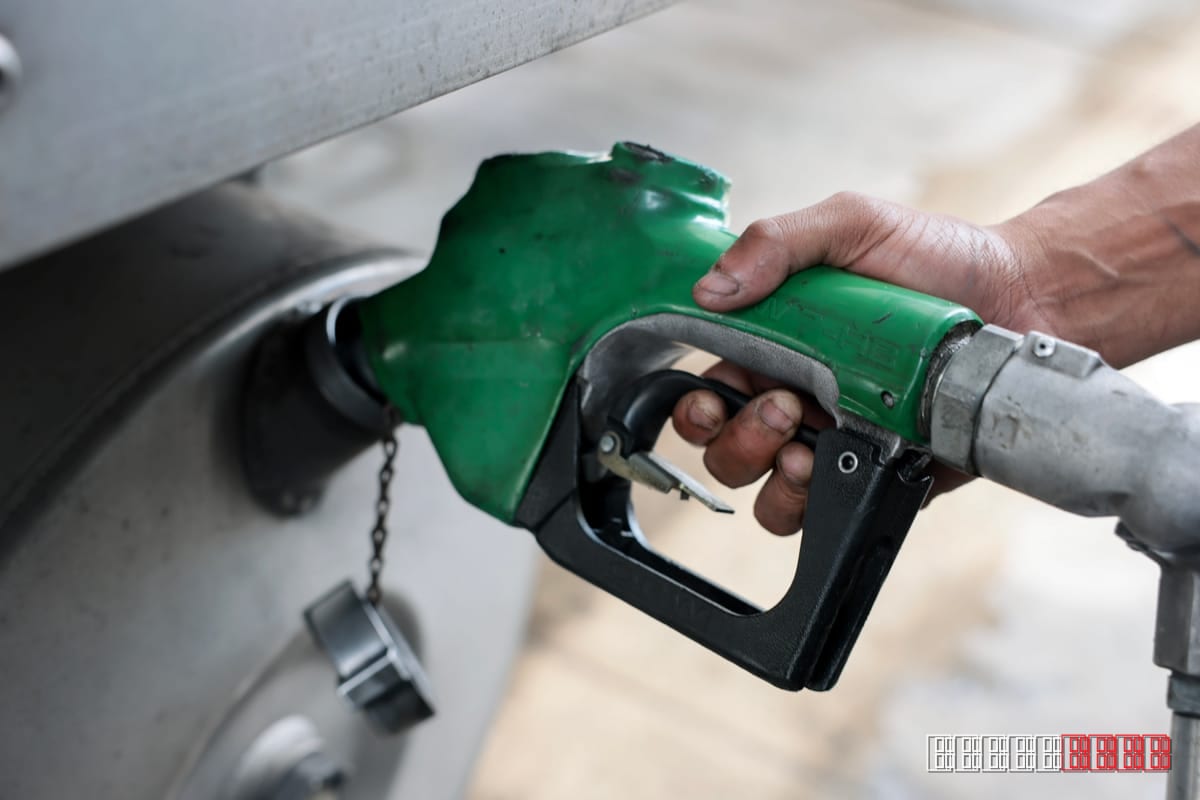
President Donald Trump is weighing a policy that would bar the export of diesel fuel from the United States. Executives from major refiners and trade groups told CNBC that while the move might shave a few dollars off diesel at the pump in the short term, it would likely trigger a broader rise in gasoline prices as domestic production is trimmed.
According to CNBC, analysts expect any price relief to be fleeting. With a ban in place, refiners could cut output to avoid oversupply, a shift that would tighten the overall fuel market and push retail prices upward. The industry’s warning hinges on the close link between diesel and gasoline inventories; a reduction in one often forces adjustments in the other, sending ripples through the entire supply chain.
The United States has become a net exporter of diesel in recent years, shipping roughly 1.5 million barrels per day to Europe and Asia, according to data from the Energy Information Administration. A ban would therefore curtail a significant revenue stream for U.S. refiners, a point highlighted by trade association spokespeople who said the policy could jeopardize jobs at facilities that rely on export volumes to stay profitable.
Export restrictions on diesel are not new globally. Countries such as India and China have intermittently limited diesel shipments during periods of domestic shortage to stabilize local markets. In the U.S., the last comparable move was a temporary ban on gasoline exports during the 1973 oil crisis, which was lifted after a few months. Trump's proposal follows his broader pattern of using trade measures—like the 2022 steel and aluminum tariffs—to exert pressure on markets, a strategy that has drawn both praise and criticism from different sectors.
If enacted, the ban could affect a wide range of stakeholders. Trucking firms that rely on diesel for long‑haul routes may see operating costs rise, potentially passing higher expenses onto consumers. At the same time, gasoline stations could experience price spikes as refiners rebalance output to meet domestic demand. Lawmakers are expected to scrutinize the proposal closely, with some members of Congress warning that the policy could conflict with existing trade agreements.
The administration has not yet set a timeline for a formal decision, and any final rule would likely face legal challenges from industry groups citing market distortion. Until the policy is finalized, fuel prices are expected to remain volatile, reflecting both global oil price trends and the uncertainty surrounding U.S. export policy.
This report is based on original reporting by CNBC. Read the original source →