Trump‑Xi summit raises questions over Chinese car imports
The leaders' talks come as U.S. lawmakers and manufacturers seek to tighten limits on Chinese vehicle sales.
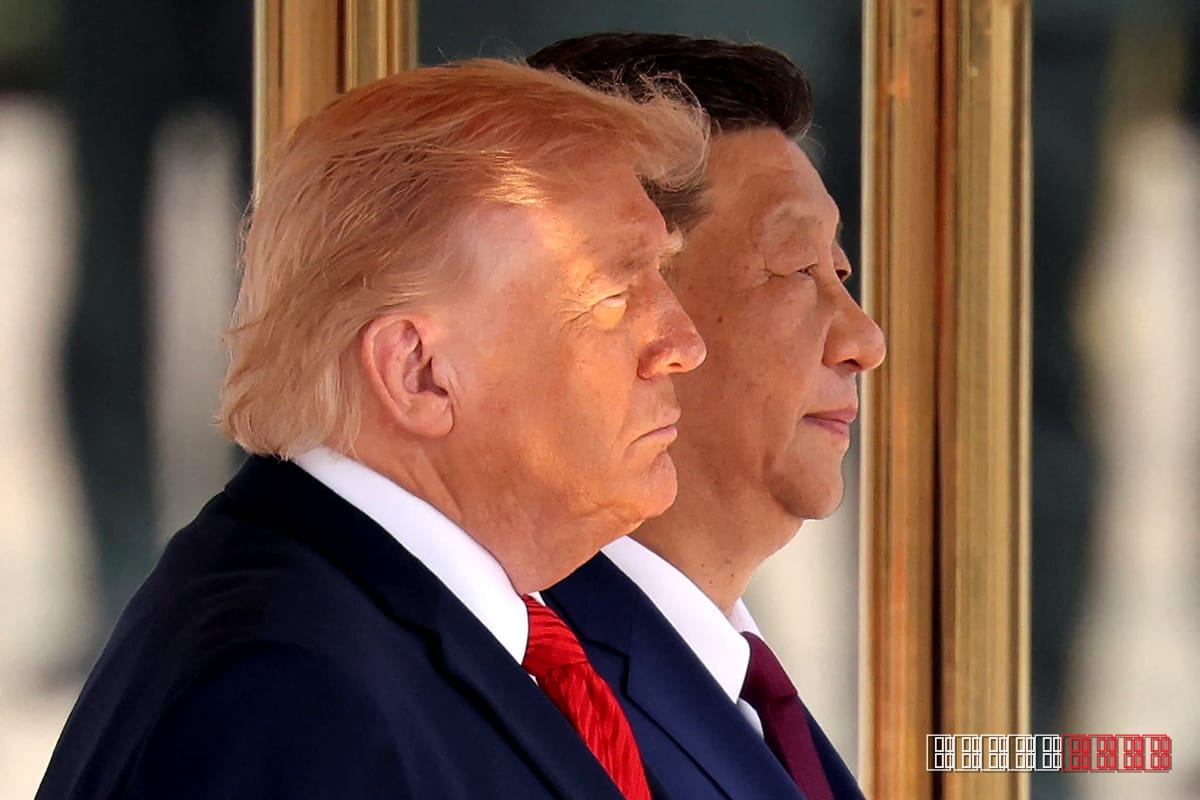
Washington is watching the upcoming meeting between President Donald Trump and Chinese President Xi Jinping for clues about the future of Chinese‑made cars in America. CNBC reported that U.S. automakers and several members of Congress are actively lobbying to preserve existing restrictions that curb the entry of Chinese vehicles and manufacturers into the domestic market.
The current framework, built on a series of tariffs and safety‑standard hurdles introduced during the Trump administration, has kept the bulk of Chinese‑produced passenger cars out of U.S. showrooms. Industry groups argue that lifting those barriers could flood the market with low‑priced models, eroding the market share of Detroit’s Big Three and jeopardising jobs.
At the same time, Chinese automakers are expanding their global footprint, investing in electric‑vehicle technology and seeking footholds in regions where trade barriers are lower. Their aggressive pricing strategy, coupled with rapid advances in battery efficiency, has already reshaped markets in Europe and Southeast Asia. If the United States were to relax its stance, analysts warn that Chinese firms could quickly become a “Pandora’s box” for the domestic auto sector, challenging legacy manufacturers on price, technology, and supply‑chain resilience.
Background context The tension over Chinese cars dates back to 2018, when the U.S. imposed a 25% tariff on a broad range of Chinese-made vehicles as part of a broader trade dispute. Subsequent administrations have maintained or adjusted those duties, but the core policy of “national security” and “fair competition” has remained. In recent years, bipartisan bills have been introduced to tighten inspection standards and to require Chinese manufacturers to obtain a separate certification for safety and emissions. The issue has also become a political flashpoint, with Republicans generally favoring stricter limits and some Democrats pushing for a more nuanced approach that balances consumer choice with domestic industry protection.
The outcome of the Trump‑Xi dialogue could influence whether Congress moves to codify existing tariffs into law or opens the door for new trade negotiations. For U.S. workers, the stakes are clear: a surge of inexpensive Chinese imports could pressure wages and employment in auto factories, while consumers might benefit from lower prices and a wider selection of electric vehicles. As the summit approaches, both sides of the aisle are preparing statements, and industry lobbyists are sharpening their arguments for the next round of policy decisions.
Regardless of the final stance, the meeting underscores how geopolitics and trade policy continue to intersect with the rapidly evolving automotive landscape, shaping the choices that will sit on American driveways in the years to come.
This report is based on original reporting by CNBC. Read the original source →