U.S. eases airport security rules on liquids and gate checks a quarter‑century after 9/11
The Transportation Security Administration is scaling back several post‑9/11 screening measures as newer threats and technology shift the security landscape.
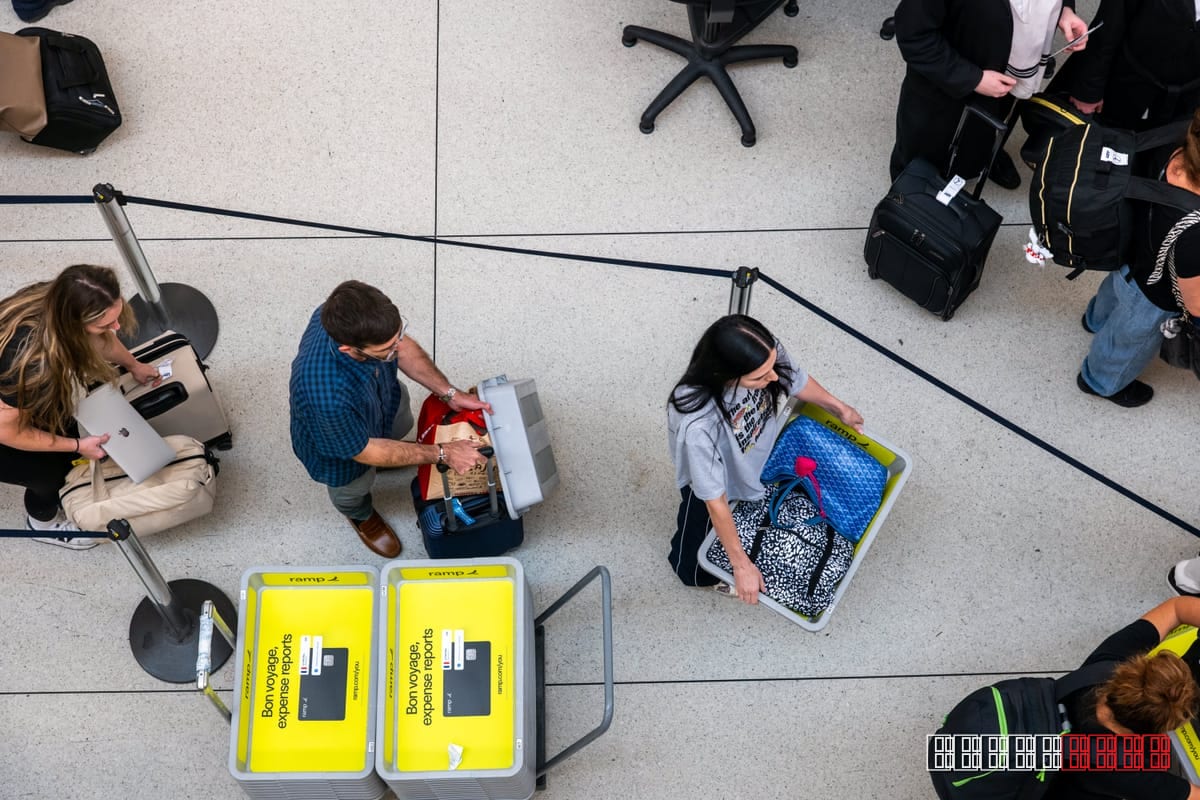
The Transportation Security Administration announced on Monday that it will lift the long‑standing limit on the amount of liquids passengers may carry in their hand luggage, a rule that has been in place since the 2006 shoe‑bomb plot. The change, which will take effect in early 2027, allows travelers to bring larger containers of non‑alcoholic beverages and toiletries, provided they are screened by new automated scanners. CNBC reported that the agency also plans to replace manual gate‑access checks with biometric verification at many major hubs, streamlining the boarding process.
The revisions come after a series of pilot programs showed that advanced imaging technology can detect prohibited items with higher accuracy than traditional pat‑downs. Officials say the updated procedures will maintain safety while reducing wait times that have plagued airports for decades. “We are leveraging modern detection tools to keep the traveling public safe without the inconvenience of outdated checks,” a TSA spokesperson told CNBC.
These adjustments mark the most significant rollback of post‑9/11 security protocols since the attacks that reshaped U.S. aviation safety. In the immediate aftermath of September 11, 2001, the federal government created the TSA and instituted a suite of measures—including the removal of shoes, limits on liquids, and heightened gate‑area scrutiny—to prevent further hijackings. Over the past 25 years, the industry has gradually introduced technologies such as computed tomography (CT) scanners and facial‑recognition systems, prompting calls for a modernized approach.
Security experts note that while the threat landscape has evolved to include cyber‑based attacks and unmanned aerial systems, the physical security framework has not kept pace with the tools now available. The decision to ease liquid restrictions reflects confidence that newer scanners can identify explosives concealed in containers that would have previously triggered alarms. Critics, however, caution that any reduction in visible security measures must be matched by rigorous oversight to avoid complacency.
Travelers can expect smoother checkpoint experiences later this year, though the TSA emphasized that random secondary screenings will remain part of its layered defense strategy. The agency will monitor the rollout closely, adjusting policies if emerging risks dictate. As the United States marks the 25th anniversary of the attacks, the shift signals a tentative move toward balancing security imperatives with passenger convenience.
This report is based on original reporting by CNBC. Read the original source →