U.S. greenlights F-35 fighter sale to Saudi Arabia amid Yemen war
The Trump administration has moved forward with a proposed F-35 jet deal for Riyadh, pending congressional consent.
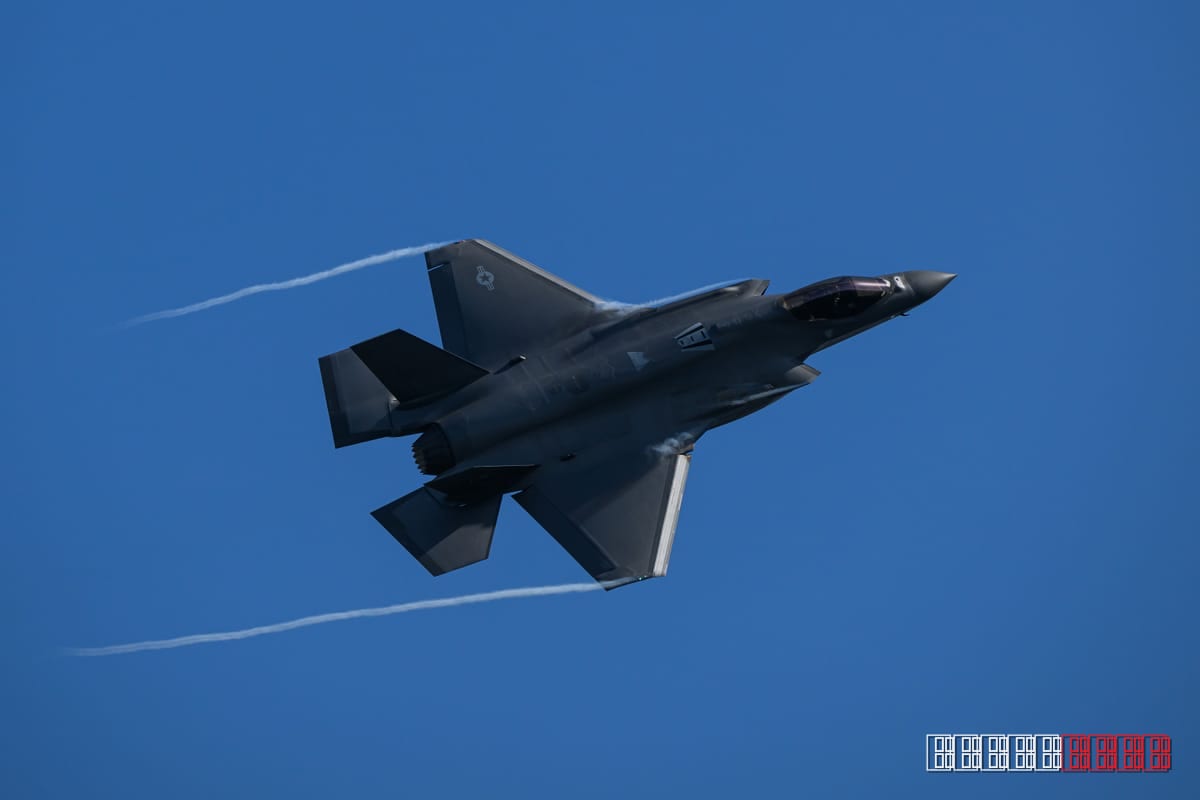
Washington has given the go‑ahead for a proposed purchase of Lockheed Martin’s F‑35 stealth fighters by Saudi Arabia, a step that still requires the endorsement of the U.S. Congress, Al Jazeera reported. The agreement, valued in the billions, would add the latest fifth‑generation aircraft to the Kingdom’s air force, deepening a defense partnership that has lasted for decades.
The timing of the deal coincides with Riyadh’s request for greater U.S. support in its protracted conflict against Yemen’s Houthi rebels. Saudi officials have repeatedly cited the need for advanced air capability to counter missile strikes and drone attacks launched from Houthi‑controlled territory, and the F‑35’s sensor suite is seen as a potential game‑changer, according to the report.
U.S. arms sales of this magnitude are subject to a rigorous review process. While the executive branch can approve the terms of a foreign military sale, the final sign‑off rests with the House and Senate Armed Services Committees, which assess strategic, fiscal and human‑rights considerations. Past sales to Saudi Arabia, including the 2017 $110 billion package of conventional weapons, have faced intense congressional scrutiny and public debate over civilian casualties in Yemen.
The broader context of the sale reflects a pattern of American defense exports to the Gulf region. Since the early 2000s, the United States has supplied Saudi Arabia with a range of aircraft, missiles and support equipment, aiming to counter Iranian influence and maintain regional stability. However, critics argue that such transfers can entrench conflicts and exacerbate humanitarian crises. The F‑35 deal, therefore, sits at the intersection of strategic alliance, commercial interest, and ethical controversy, a dynamic that has shaped U.S. foreign‑policy decisions for years.
If Congress ultimately authorizes the transaction, Saudi pilots could begin training on the jets within the next two years, with deliveries slated for the mid‑2020s. The move would mark the first export of the stealth fighter to a Middle Eastern buyer, potentially prompting other regional powers to seek comparable capabilities, reshaping the balance of air power in the Gulf.
This report is based on original reporting by Al Jazeera. Read the original source →