Understanding Monaco's First Sprint Race Ahead of the Azerbaijan Grand Prix
BBC Sport’s F1 correspondent explains why the principality is adding a sprint to its calendar and what it means for drivers and fans.
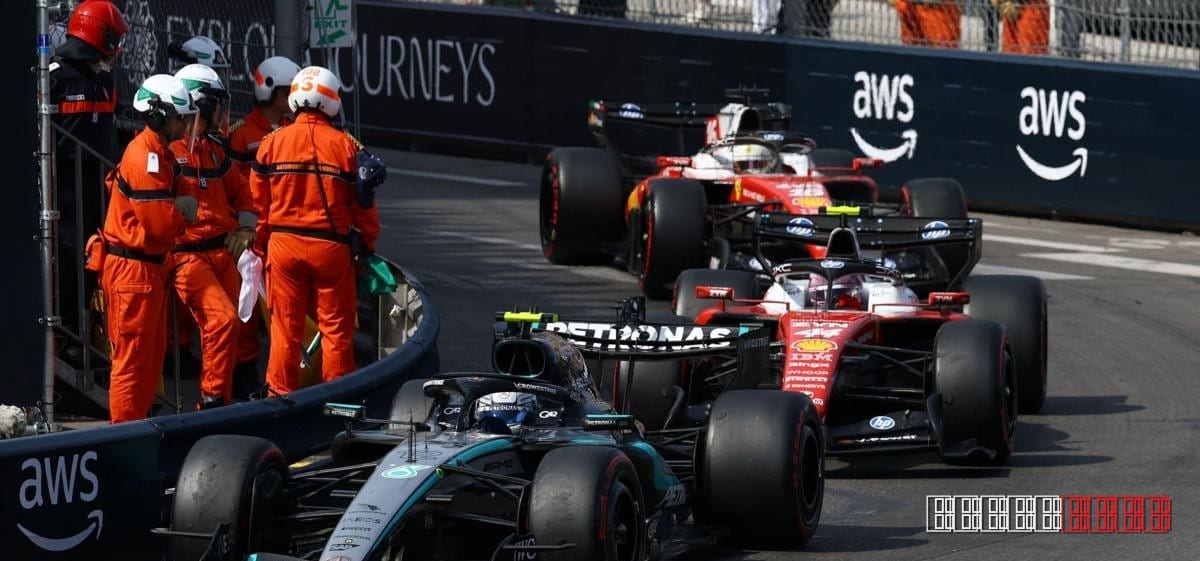
Formula 1’s sprint format, introduced in 2021, has become a regular feature on several circuits, and Monaco is the latest venue to adopt it. Andrew Benson of BBC Sport answered fan questions about the decision ahead of the upcoming Azerbaijan Grand Prix, clarifying the motivations behind the change and its impact on the race weekend.
A sprint race is a shortened 100‑km contest held on Saturday, with the finishing order setting the grid for Sunday’s main Grand Prix. Unlike the traditional qualifying session, the sprint also awards points to the top three finishers – five for the winner, three for second, and one for third – adding a competitive incentive for drivers who might otherwise treat the session as a formality.
Monaco’s inclusion in the sprint calendar was driven by a mix of commercial and sporting considerations. The street circuit’s tight layout makes overtaking notoriously difficult, so a sprint provides an extra chance for on‑track action and a chance for drivers to showcase skill in a high‑pressure environment. Organisers also see the sprint as a way to boost television audiences and ticket sales, capitalising on the glamour of the principality to attract global viewers.
The decision follows a broader push by the sport’s leadership to make race weekends more engaging after criticism that a three‑day format had become predictable. By sprinkling sprint events across the calendar, F1 hopes to retain fan interest and offer teams additional strategic variables. Monaco, with its historic prestige, was a natural candidate to test the format on a circuit that rarely sees overtaking opportunities.
Background context: The sprint concept was first trialled at the 2021 British Grand Prix, where a 100‑km race determined the Sunday grid and awarded points. Since then, the format has been rolled out to a handful of venues, each with its own quirks. Monaco’s narrow streets, the iconic tunnel, and the tight hairpins present unique challenges for drivers, making the sprint a high‑stakes preview of the main event. Historically, the Grand Prix has relied heavily on qualifying performance to set the race order; the sprint adds a dynamic element that could reshuffle the usual hierarchy, especially for teams that excel in short‑run pace.
Looking ahead, the sprint in Monaco will be the first of its kind on the circuit, and its success could influence whether other classic venues adopt the format. For now, drivers will need to balance the risk of a fast Saturday with the reward of a better starting position for Sunday’s prestigious race.
This report is based on original reporting by BBC Sport. Read the original source →