US crypto reform bill stalls as political support wanes
Legislators face mounting uncertainty over a sweeping crypto bill as doubts grow about its chances of passage this month.
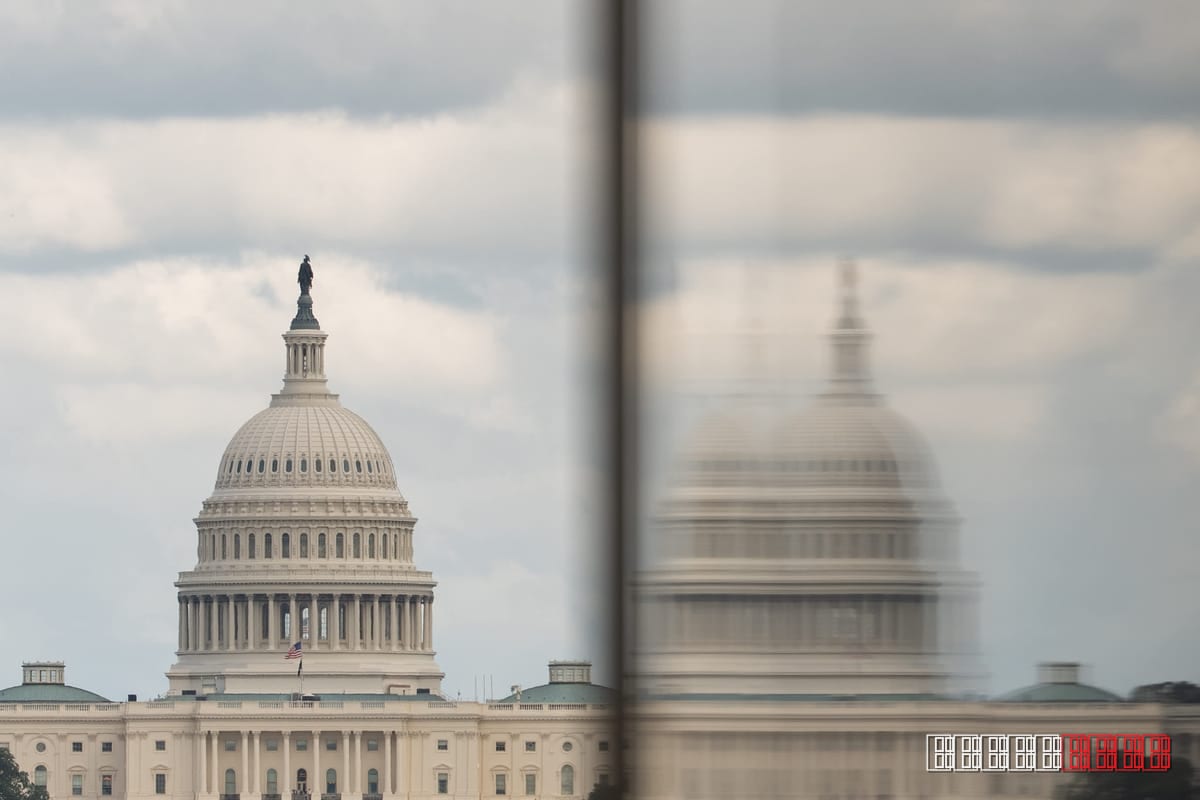
Congressional efforts to pass a comprehensive framework for digital assets have hit a new snag, with the legislation now described as "hanging by a thread" amid a widening partisan split. CNBC reported that the bill, which would establish uniform definitions, consumer protections and a licensing regime for crypto firms, is struggling to secure the votes needed in both chambers before the September deadline.
The proposal, first introduced last year, has moved through the House Financial Services Committee but stalled in the Senate where concerns over market stability and potential conflicts with the Securities and Exchange Commission have intensified. Lawmakers who previously voiced support are now citing the rapid pace of industry innovation and recent high‑profile exchange failures as reasons to pause and reassess the bill's provisions.
Industry groups had hoped the legislation would bring clarity after years of regulatory uncertainty, but the current climate of heightened scrutiny—spurred by the SEC’s recent enforcement actions against unregistered token offerings—has made some senators wary of granting the crypto sector a blanket regulatory framework. According to CNBC, several key sponsors are now seeking amendments that would tighten oversight of stablecoins and decentralized finance platforms, further complicating the path to consensus.
Historically, attempts to codify crypto regulations in the United States have repeatedly stalled. The 2022 "Digital Asset Market Structure Act" and the 2023 "Crypto Innovation Act" both failed to clear the Senate, largely due to disagreements over jurisdiction between the SEC and the Commodity Futures Trading Commission. The present bill represents the latest effort to reconcile those competing agendas, but the current impasse suggests that a legislative solution may remain elusive until the next congressional session.
If the bill does not pass, the crypto industry could continue operating under a patchwork of state laws and federal guidance, a scenario that many firms argue hampers innovation and creates compliance headaches. Conversely, a delayed or watered‑down framework could embolden regulators to pursue more aggressive enforcement, potentially reshaping market dynamics and influencing investor confidence.
Stakeholders are watching closely as the September deadline approaches, aware that the outcome will set the tone for how digital assets are governed in the United States for years to come.
This report is based on original reporting by CNBC. Read the original source →