US-Iran clash estimated at $45.1 billion, casualties may exceed Pentagon count
The Pentagon’s latest figures show a $45.1 bn price tag for the Iran conflict, while independent analysts suggest the death toll could be higher than the 18 reported.
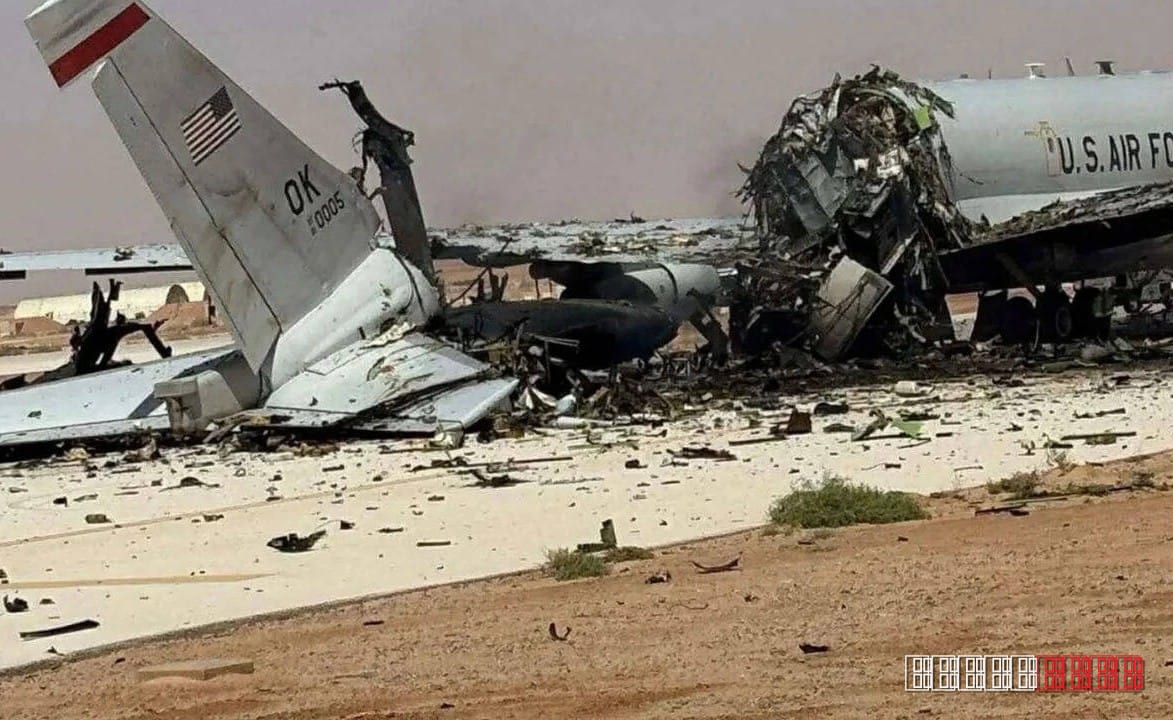
The United States has placed a provisional price tag of $45.1 billion on its recent military engagement with Iran, according to reporting by the Times of India. The same source notes that the Pentagon’s official casualty figure stands at 18 fatalities, but experts caution that the actual number of deaths could be larger.
The cost estimate encompasses a range of expenditures, from aircraft sorties and missile deployments to logistical support and intelligence operations. While the figure is still being refined, officials say it reflects the cumulative expense of the short‑term campaign that began after heightened tensions in the Persian Gulf.
Why the numbers matter – Historically, the Pentagon has faced criticism for under‑reporting or delaying the release of casualty data, especially in conflicts where political sensitivities are high. Independent watchdog groups and veteran associations often compile their own tallies, sometimes revealing discrepancies that can reach double‑digit differences. In the case of the Iran operation, analysts point to the difficulty of tracking deaths among contractors, allied forces, and local personnel, which may not be captured in the official count.
The financial and human cost of the Iran clash reverberates beyond Washington. India, a major oil importer, monitors Middle‑East stability closely because any disruption can push crude prices higher, affecting Indian consumers and businesses. Moreover, the episode underscores the strategic calculus for New Delhi, which has been deepening defence cooperation with the United States while also maintaining a pragmatic relationship with Tehran. Indian firms with investments in the region watch these developments for potential supply‑chain impacts.
Looking ahead, the United States is expected to present a detailed audit to Congress in the coming months, a routine step for major operations. The audit will likely address not only the direct outlays but also indirect costs such as veteran healthcare and equipment depreciation. Meanwhile, calls for greater transparency in casualty reporting are growing louder, with legislators urging the Department of Defense to adopt more rigorous accounting standards.
The episode serves as a reminder that the financial footprint of modern warfare extends far beyond the battlefield, influencing global markets, diplomatic alignments, and the lives of service members and civilians alike.
This report is based on original reporting by Times of India. Read the original source →