US Treasury rally lifts Japan’s 10‑year bond to three‑decade peak
A surge in US Treasury yields pushed Japan’s benchmark 10‑year government bond to its highest level in 30 years, according to CNBC.
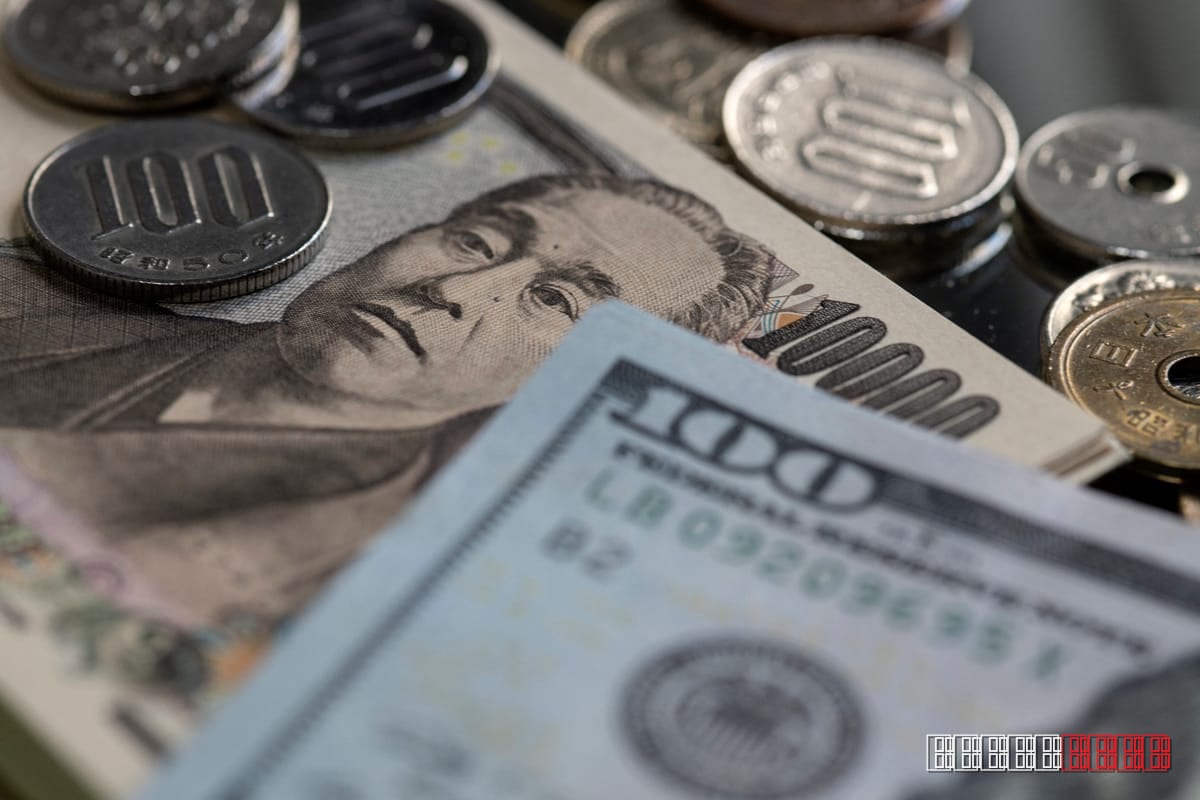
Japan’s benchmark 10‑year government bond (JGB) surged to a level not seen in three decades on Thursday, a move directly tied to a sharp rise in U.S. Treasury yields, CNBC reported. The jump marked a rare departure from Japan’s historically low‑rate environment and sent ripples through global fixed‑income markets.
The lift in Japanese yields came after the U.S. 10‑year Treasury note climbed to its highest point in more than ten years, reflecting investors’ reassessment of monetary policy and inflation expectations in the United States. While exact percentages were not disclosed in the source, the parallel movement underscores how tightly linked sovereign debt markets have become in an era of synchronized central‑bank actions.
In the United States, the Federal Reserve’s recent tightening cycle—characterized by a series of rate hikes aimed at curbing lingering inflation—has forced Treasury yields higher. Higher yields increase the cost of borrowing for the U.S. government and, by extension, raise the benchmark for other sovereign issuers worldwide. This dynamic often prompts investors to rebalance portfolios, shifting capital toward higher‑yielding assets and away from traditionally safe‑haven currencies.
Japan, by contrast, has maintained ultra‑low rates for decades, with the Bank of Japan (BOJ) employing negative‑interest‑rate policies and massive asset‑purchase programs to stimulate growth. The country’s long‑standing deflationary pressures kept yields suppressed, making the recent 30‑year high an outlier. Analysts note that even modest upticks in JGB yields can have outsized effects on Japan’s fiscal outlook, given the government’s sizable debt load.
The convergence of rising yields in both markets has several implications. For foreign investors, higher Japanese yields improve the relative attractiveness of JGBs, potentially drawing capital away from other Asian bonds. Domestically, a steeper yield curve could increase borrowing costs for corporations and municipalities, influencing investment decisions and consumer financing. Moreover, the move may pressure the yen, as higher yields can attract foreign inflows that support the currency.
Market participants will watch forthcoming policy signals from the BOJ and the Federal Reserve closely. Any indication that the BOJ might adjust its ultra‑accommodative stance, or that the Fed could pause its tightening, would likely temper the volatility seen in sovereign yields. For now, the synchronized rise in Treasury and JGB yields highlights the interconnected nature of global bond markets and the challenges central banks face in balancing growth and inflation.
This report is based on original reporting by CNBC. Read the original source →