Washington greenlights $414 million uranium deal in Niger after troop pullout
The United States has approved a multi‑year investment to develop uranium mining in Niger, a move that could reshape ties with the West African nation and its Canadian partners.
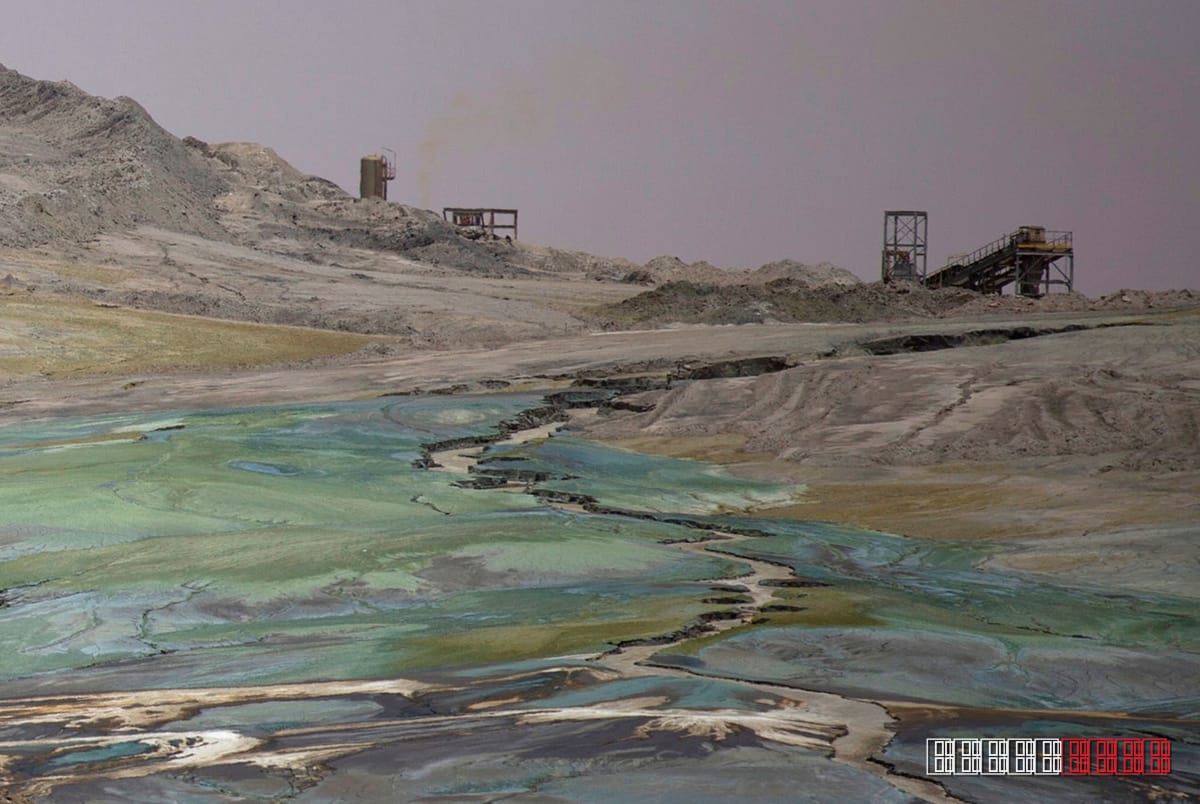
Washington has given the go‑ahead for a $414 million investment to develop a uranium mining project in Niger, according to Al Jazeera. The funding, which will be channeled through a partnership with a Canadian mining firm, is intended to boost the extraction of the mineral that fuels nuclear power plants and, increasingly, advanced reactors.
The approval arrives two years after the United States withdrew its military contingent from Niger in early 2024, a decision prompted by a coup that ousted the democratically elected president. The departure had strained diplomatic ties, with the U.S. suspending security assistance and closing its drone base in Agadez. By moving forward with the uranium investment, officials signal an effort to rebuild economic cooperation while sidestepping the security fallout that led to the troop pullout.
Niger supplies roughly 10 percent of the world’s uranium, making it a strategic source for countries seeking to diversify supply away from traditional producers like Kazakhstan and Australia. The new investment is part of a broader U.S. strategy to secure critical minerals for clean‑energy transitions and to reduce reliance on China‑linked supply chains. Analysts note that the partnership with a Canadian company also underscores the role of allied partners in meeting Washington’s resource goals.
Historically, U.S. interest in Niger’s uranium dates back to the Cold War, when American firms secured long‑term contracts with the former French colony. Relations cooled after the 2020s political turbulence, but the recent deal could mark a turning point, potentially paving the way for renewed security cooperation and development aid. Critics, however, warn that without a stable political environment, large‑scale mining projects risk stalling and could exacerbate local grievances.
The investment is slated to create jobs and generate revenue for Niger’s government, which has faced fiscal pressures amid falling commodity prices. If the project proceeds as planned, it could also supply a portion of the uranium needed for the United States’ expanding fleet of small modular reactors, a technology championed as a low‑carbon energy source.
While the announcement signals optimism, the next steps will involve negotiating mining licenses, ensuring environmental safeguards, and navigating the complex political landscape that has defined Niger’s recent history. The outcome will likely influence not only bilateral ties but also broader discussions about mineral security in the Sahel region.
This report is based on original reporting by Al Jazeera. Read the original source →