White House Bars CNN, MS NOW and Politico Over ‘Fake News’ Claims
President Trump orders three news outlets removed from White House briefings, citing misinformation, Al Jazeera reports.
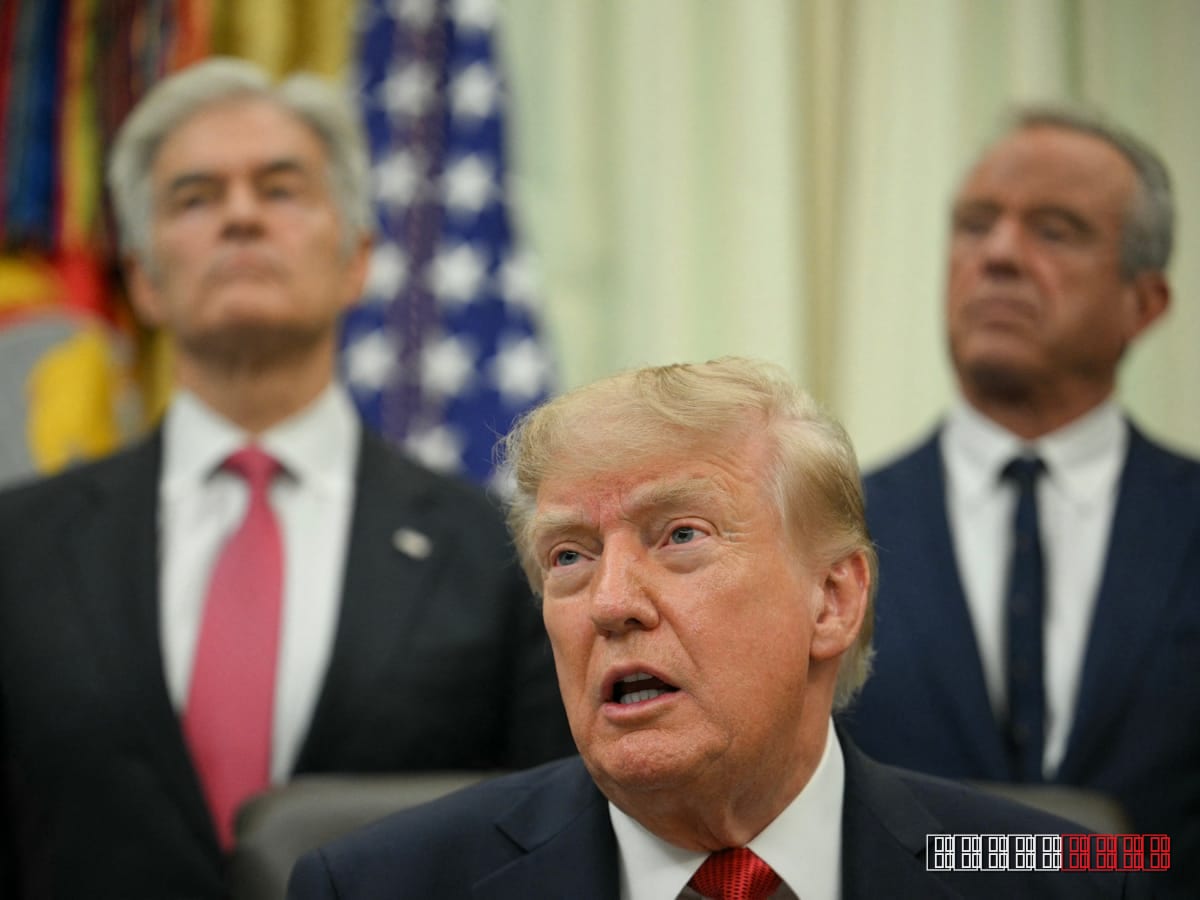
President Donald Trump has instructed the White House press office to deny entry to three media organizations—CNN, MS NOW and Politico—asserting they disseminate "fiction and lies," Al Jazeera reported. The decision, announced on Monday, means reporters from the three outlets will no longer be granted credentialed access to the West Wing, the Situation Room and other briefings that have traditionally been open to the accredited press corps.
White House officials said the move follows a review of the outlets’ coverage of recent policy announcements, which the administration says repeatedly misrepresented facts. A senior aide declined to name the specific stories that triggered the ban but confirmed that the decision was taken at the president’s direction.
The action marks the latest escalation in Trump’s long‑standing feud with parts of the news media. Since taking office in 2025, he has frequently labeled outlets that criticize his policies as “fake news” and has threatened to curtail their access. Earlier this year, the administration barred a different set of journalists from a live press conference after they asked about the administration’s handling of a cyber‑security breach.
Historically, the White House press pool operates under a credentialing system that grants access to journalists from a wide range of outlets, both domestic and international. While presidents can revoke credentials, such moves are rare and usually trigger legal challenges or congressional scrutiny. Media watchdog groups argue that excluding specific outlets undermines transparency and sets a precedent for selective reporting.
The three affected organizations serve distinct audiences: CNN is a major cable news network with a global reach, MS NOW is a digital news startup focused on progressive politics, and Politico is a political journalism outlet known for its in‑depth coverage of Washington. Their removal will likely affect the flow of information to their respective audiences and could prompt the outlets to seek alternative ways to cover White House affairs, such as relying on briefings from former staffers or using public statements released online.
The ban also raises questions about the future of press freedom in the United States. Legal scholars note that while the president has broad discretion over credentialing, any action perceived as punitive for unfavorable coverage could be challenged under the First Amendment. As the situation develops, the media landscape in Washington may see further shifts, with journalists and outlets weighing the risks of continued confrontation with the administration.
This report is based on original reporting by Al Jazeera. Read the original source →