Yemen's capital braces for soaring costs after fuel price hike
Sanaa residents face higher food and transport bills as the government lifts fuel subsidies for the first time in four years.
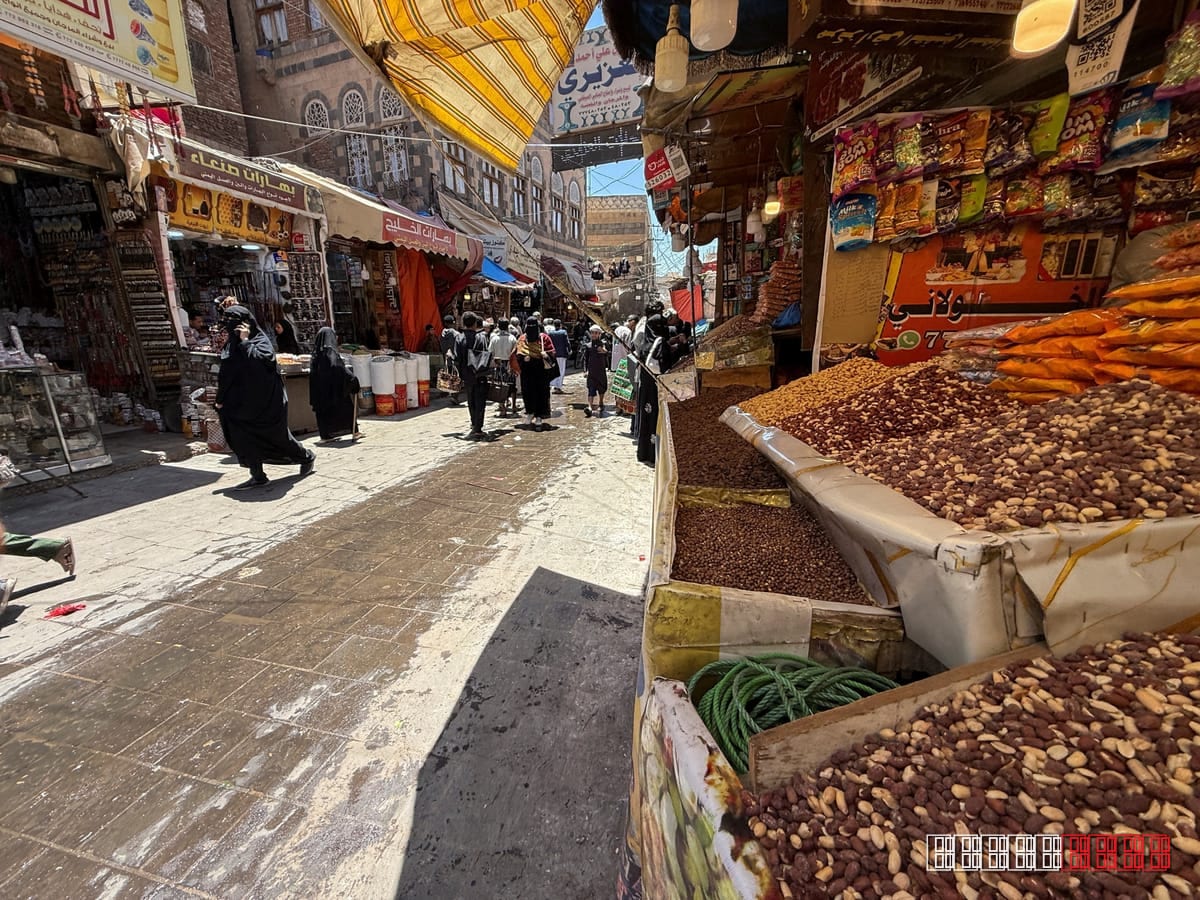
Sanaa’s markets are already feeling the pinch of rising prices after Yemen’s Ministry of Oil announced a 30 % increase in gasoline and diesel rates, the first adjustment since 2022. Al Jazeera reported that families in the capital are scrambling to stretch limited budgets as the cost of basic staples and public transport climbs sharply.
The price rise comes amid a fragile cease‑fire that has held in parts of the country but has not halted the broader economic collapse caused by years of conflict. With the war disrupting supply chains, many households rely on subsidised fuel to power generators that keep lights on and water pumps running. The sudden removal of that subsidy forces merchants to raise the price of everything from bread to school fees, according to Al Jazeera’s coverage.
Economists warn that the hike could push Yemen’s inflation rate well above the 15 % threshold that the United Nations warned about last year. The country’s currency, the Yemeni rial, has been losing value against the dollar, making imports more expensive. For a population already grappling with food insecurity—UN agencies estimate that over 20 % of Yemenis are on the brink of famine—the added burden of higher transport costs could limit access to markets and health services.
Historically, Yemen’s fuel subsidies were introduced in the early 2000s to keep energy affordable for a largely impoverished populace. However, prolonged conflict eroded the state’s fiscal capacity, prompting periodic cuts. The latest increase reflects a broader trend across the Middle East where governments, squeezed by war expenditures and dwindling oil revenues, are scaling back subsidies despite the social fallout. In neighboring Saudi Arabia and Oman, similar moves have sparked public protests, highlighting the delicate balance between fiscal sustainability and social stability.
Humanitarian groups are urging the Yemeni authorities to pair the price adjustment with targeted aid, such as cash transfers or food vouchers, to shield the most vulnerable. Until such measures are in place, the everyday reality for Sanaa’s residents is a tightening of purse strings and a growing uncertainty about how long they can endure the escalating cost of living.
This report is based on original reporting by Al Jazeera. Read the original source →