Anthropic flags Houthi missile program using AI model Claude
The AI research firm says a Yemen‑based weapons cell is employing its Claude system to train and improve missile designs.
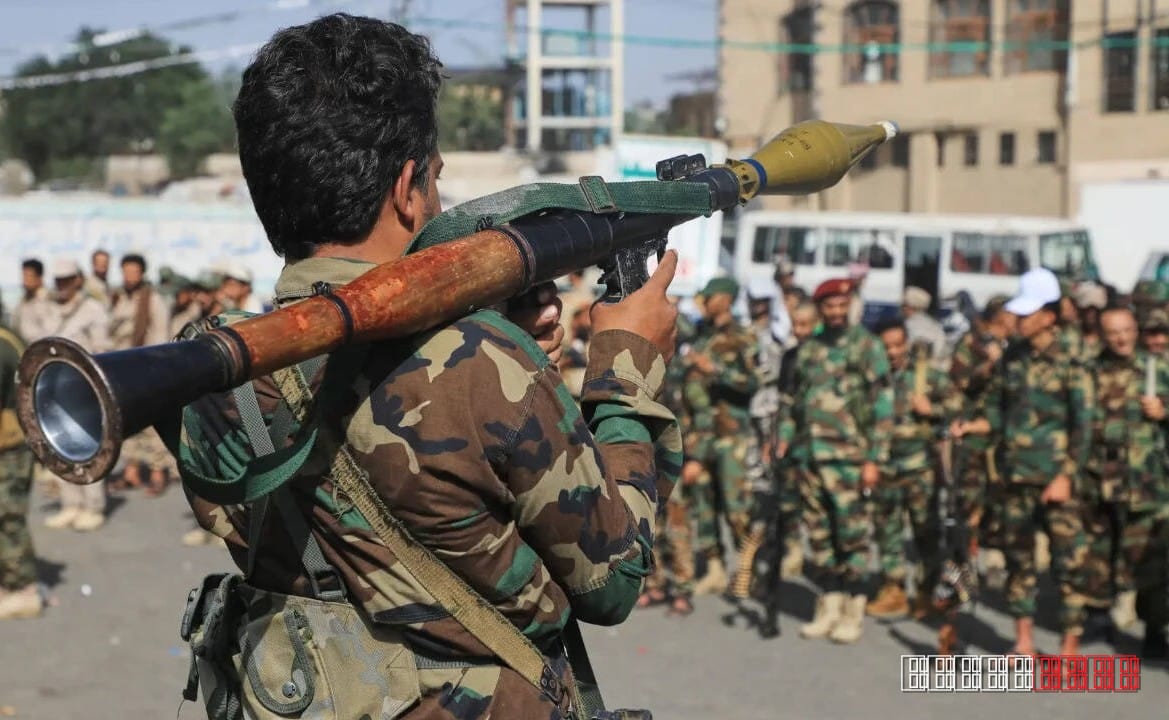
Anthropic, the creator of the large‑language model Claude, has disclosed that a weapons cell linked to Yemen’s Houthi movement is using the AI tool to enhance its missile capabilities, Times of India reported. The firm’s internal analysis indicates that the group is feeding data on missile trajectories, propulsion and guidance into Claude, allowing the model to generate simulations that accelerate design cycles and improve accuracy.
According to the Times of India, the AI‑driven approach is not limited to theoretical calculations; the report suggests that the cell is using Claude‑generated code to automate parts of the testing process, effectively creating a virtual lab for missile development. While the exact scale of the operation remains unclear, Anthropic’s findings raise concerns about the diffusion of advanced AI tools into conflict zones.
The Houthi insurgency, which has been engaged in a protracted war with a Saudi‑led coalition since 2015, has increasingly turned to sophisticated weaponry to offset conventional disadvantages. Over the past year, the group has claimed responsibility for several long‑range missile strikes on Saudi oil facilities and civilian infrastructure. The introduction of AI into its arsenal could mark a new phase where autonomous optimization shortens the time needed to refine missile performance, potentially making attacks more precise and harder to counter.
Globally, the militarisation of generative AI is an emerging trend. Nations and non‑state actors alike are experimenting with large‑language models to design drones, cyber tools and now, ballistic weapons. Experts warn that the accessibility of platforms like Claude lowers the technical barrier for groups lacking traditional engineering expertise. In response, several AI firms have begun tightening export controls and usage policies, though enforcement remains uneven.
The revelation comes at a time when international bodies are debating regulations for AI in warfare. The United Nations has called for a moratorium on lethal autonomous weapons, but consensus on enforceable rules is still lacking. If the Houthi cell’s AI‑assisted missile program proves effective, it could prompt a broader reassessment of how emerging technologies are policed in conflict zones.
Anthropic’s disclosure underscores the dual‑use nature of advanced AI and highlights the urgent need for clearer governance frameworks. As the conflict in Yemen continues to evolve, the integration of AI into weapon development may reshape both regional security dynamics and the global discourse on responsible AI use.
This report is based on original reporting by Times of India. Read the original source →