Punjab rice mills stall as power deficit widens, minister calls on centre
Power minister says the state is missing over 1,000 MW from its central allocation, leaving mills without electricity and prompting criticism of the AAP government’s promises.
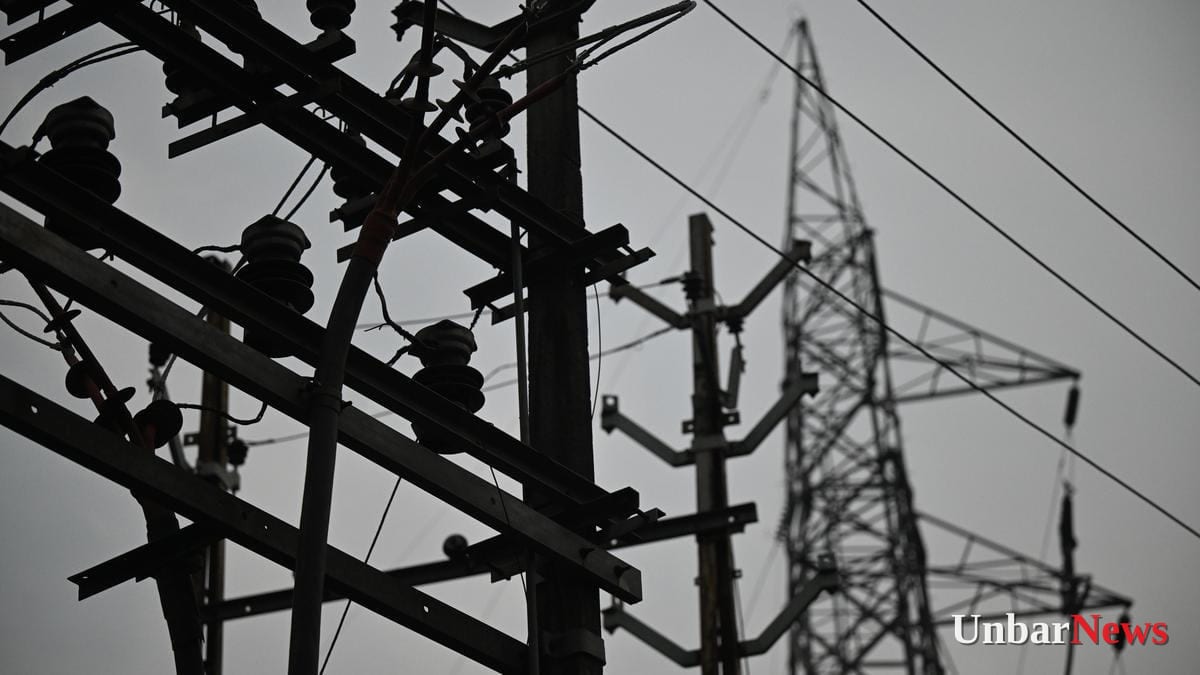
Punjab’s rice‑processing industry has ground to a halt after the state’s power grid fell short of its allotted supply, a situation that has drawn sharp rebuke from the state’s power minister. Tarunpreet Singh Sond told reporters that Punjab is currently receiving 1,051 MW less than its entitled share from the Central Power Pool, a shortfall that is crippling rice mills across the region. "The Centre must immediately release Punjab’s due share of power," Sond said, adding that the deficit is forcing mills to operate on diesel generators or shut down altogether.
The shortage has hit the state's staple crop processing sector hard. Rice mills, which operate around the clock during the harvest season, rely on a steady electricity supply to run huskers, dryers and polishing units. With the grid unable to meet demand, many mill owners have reported losses amounting to millions of rupees, and some have warned of layoffs if the situation persists. The Association of Punjab Opar (OPON) has publicly condemned the Aam Aadmi Party (AAP) government for failing to deliver on its “Roshan Punjab” pledge, which promised uninterrupted power for critical industries.
Background: Punjab contributes roughly 30 % of India’s total rice output, making its milling capacity a key component of the national food supply chain. Historically, the state has depended on allocations from the centrally‑managed power pool, a system that often leaves high‑consumption states vulnerable to short‑term mismatches between generation and demand. The AAP, which came to power in 2022, campaigned on a promise to modernise the grid and eliminate load‑shedding, branding the initiative “Roshan Punjab.” However, recurring deficits in the national grid, compounded by delayed commissioning of new thermal and renewable projects, have repeatedly undermined these commitments.
Industry analysts note that prolonged power cuts could push rice processors to seek alternative energy sources, potentially accelerating the adoption of solar‑plus‑storage solutions that the central government has been promoting. In the meantime, the state government has appealed to the Ministry of Power for an urgent re‑allocation, while also urging the Centre to fast‑track pending transmission projects that would bolster supply reliability.
The situation underscores the broader challenge of balancing rapid industrial growth with infrastructure constraints in India’s most agriculturally intensive regions. As the harvest season approaches, the pressure mounts on both state and central authorities to resolve the deficit before the next wave of crops reaches the mills.
This report is based on original reporting by The Hindu. Read the original source →