Official’s Balaghat tour spotlights surge in tribal child fatalities
A senior official’s visit to families in Balaghat district draws attention to rising deaths among tribal children, prompting calls for urgent health interventions.
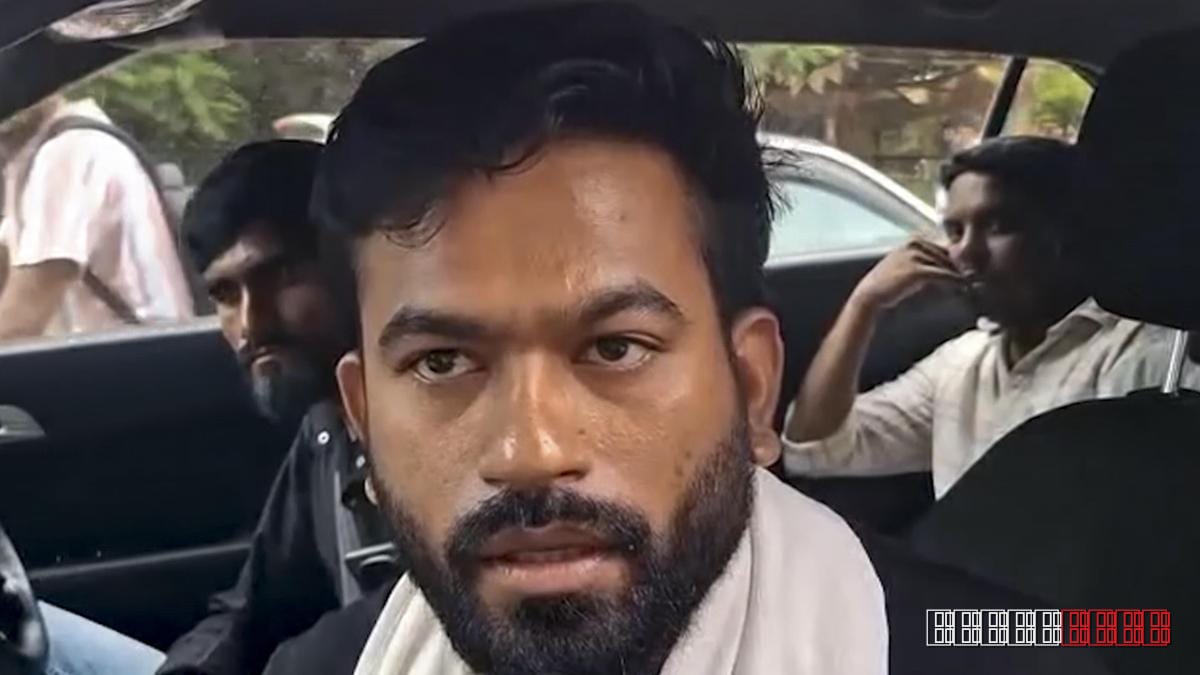
A senior government representative, identified as Dipke, traveled to the tribal belt of Balaghat in Madhya Pradesh to meet grieving families, according to The Hindu. The official’s itinerary included several villages where children under five have recently died, prompting a public pledge to investigate the underlying causes and accelerate remedial measures.
During the visits, Dipke listened to the families’ accounts of inadequate medical care, delayed ambulance response, and a lack of basic health infrastructure. He promised that the state’s health department would conduct a rapid assessment of each affected household and that additional medical staff would be deployed to the remote health sub‑centres that serve these communities.
The situation in Balaghat reflects a broader pattern of distress among India’s tribal populations. National health surveys consistently show that Scheduled Tribes experience child mortality rates that are several points higher than the national average, driven by factors such as malnutrition, limited access to clean water, and insufficient primary health services. In Madhya Pradesh, tribal districts account for a disproportionate share of the state’s under‑five deaths, a trend that has persisted despite recent policy initiatives aimed at expanding rural health infrastructure.
The state government has, in recent years, launched schemes like the Tribal Sub‑Plan and the National Rural Health Mission to bridge these gaps. However, implementation challenges—ranging from logistical hurdles in reaching remote hamlets to shortages of qualified health workers—have hampered progress. Experts argue that targeted interventions, such as mobile health units and community health worker training, are essential to curb the rising death toll.
Dipke’s on‑ground engagement is expected to feed into a larger review of health service delivery in the district. Officials have indicated that the findings from the Balaghat visits will inform the allocation of additional funds under the state’s health budget and may trigger a request for central assistance. The families, while mourning their losses, expressed cautious optimism that the heightened visibility of their plight will translate into concrete action.
The episode underscores the urgent need for coordinated efforts between state authorities, central ministries, and non‑governmental partners to address the systemic deficiencies that continue to threaten the lives of tribal children in India’s heartland.
This report is based on original reporting by The Hindu. Read the original source →