Bank union strike halts services, pushes for five‑day workweek across India
Public‑sector banks saw widespread closures as employees and officers joined a nationwide walkout demanding a shorter workweek.
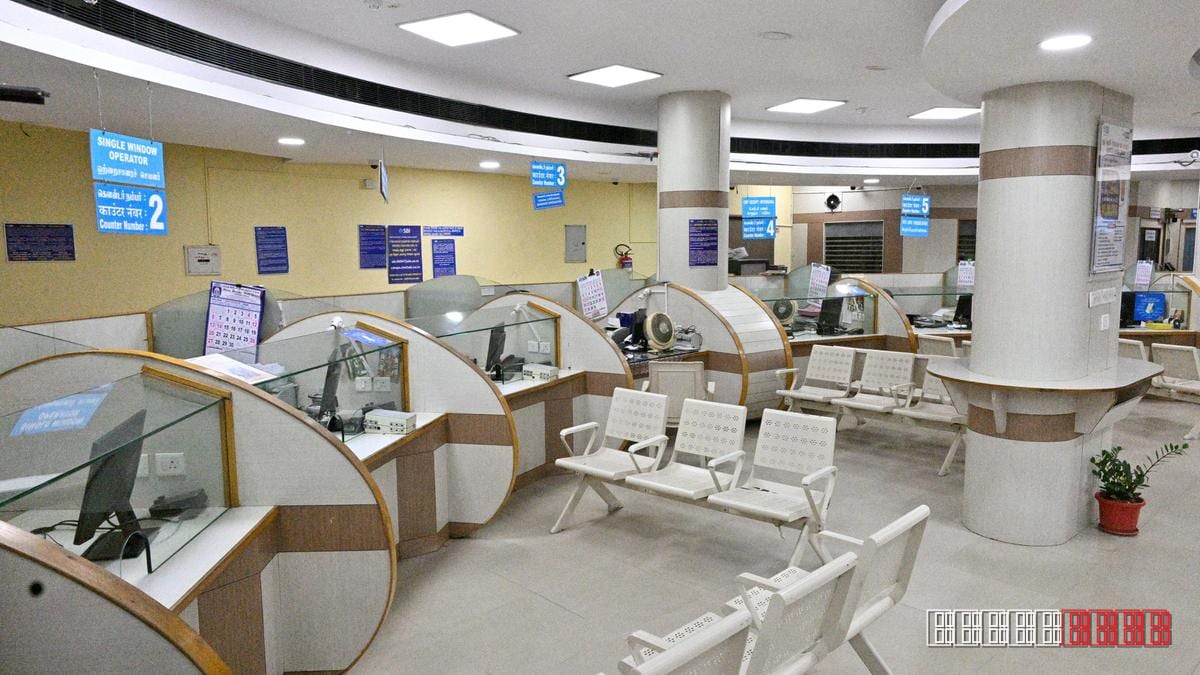
A coordinated walkout by bank unions has left most public‑sector bank branches either fully shut or operating with reduced hours, according to The Hindu. Employees and officers across the country observed the strike, which is aimed at securing a five‑day workweek for bank staff.
The disruption began early on Monday, with tellers, clerks and senior officers refusing to report for duty. While some branches managed limited counter service, many reported a total suspension of operations, forcing customers to seek alternatives at private banks or ATMs. The Hindu noted that the strike’s reach is national, affecting urban and rural outlets alike.
Union leaders framed the demand as a step toward better work‑life balance and parity with the private sector, where a five‑day week is the norm. They argue that a shorter week would improve employee morale and productivity, while also aligning Indian banking practices with global standards. The unions have warned that they will sustain the protest until their demands are met, signaling a potentially protracted standoff.
India’s public‑sector banks employ over three million people and handle a substantial share of the nation’s deposits and credit flow. Historically, the banking workforce has operated on a six‑day schedule, a legacy of colonial‑era labor policies. In recent years, other government‑run services have gradually moved to a five‑day model, prompting bank employees to press for similar reforms. The current strike follows a series of smaller, localized actions that have highlighted growing discontent over long hours and limited leave.
The immediate impact on customers is evident: queues at private banks have lengthened, and digital transaction volumes have surged as users seek alternatives. Analysts caution that prolonged closures could strain liquidity in certain regions, especially where public banks dominate. The government has so far refrained from intervening, urging dialogue between the unions and bank management.
If the unions succeed, the shift could set a precedent for other public institutions, potentially reshaping labor norms across the civil service. Conversely, a stalemate might compel banks to reconsider staffing models or introduce compensatory measures such as overtime pay. Stakeholders are watching closely as negotiations are expected to resume later this week.
This report is based on original reporting by The Hindu. Read the original source →